Time Is of the Essence: How Synchronization and Timing Enhance Broadcast Facilities in 2026
Explore how advanced synchronization solutions like NTP over IPv6 are enhancing sports broadcasting with precise timing systems.
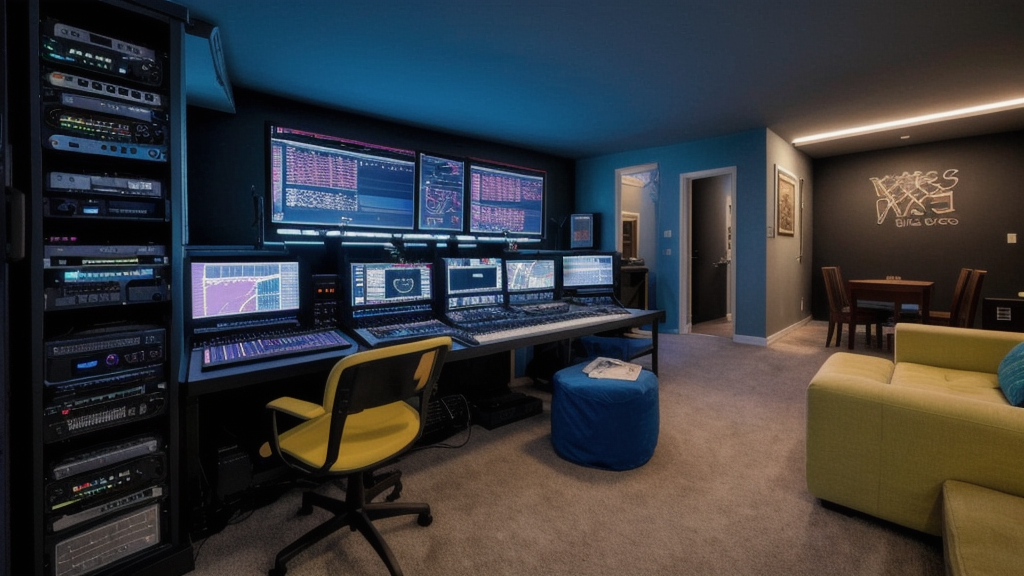
The Critical Role of Synchronization in Broadcast Facilities "Synchronization is not just about making sure your feeds arrive on time; it's about delivering a seamless experience to millions of viewers," says Sarah Chen, CEO of ChronoSync Technologies. With the rise of multiplatform distribution and immersive technologies like virtual reality (VR) and augmented reality (AR), broadcasters must maintain frame-accurate synchronization across all delivery channels.
Innovations in Synchronization Technology One notable innovation is the development of Network Time Protocol (NTP) over IPv6, which offers enhanced accuracy and security for networked devices. Companies such as Riedel Communications are leading this charge with their MediorNet 2 platform, which supports NTP over IPv6 and provides up to 10 Gbps of bandwidth per channel. "Our latest MediorNet 2 system ensures that every component in a broadcast facility operates within microseconds of each other," explains Dr. Thomas Riedel, founder and CEO of Riedel Communications. "This level of precision is essential for delivering high-quality content across multiple platforms."
Real-World Impact on Broadcast Operations Implementing advanced synchronization solutions can lead to significant improvements in broadcast operations. For example, a major sports network recently deployed a ChronoSync Technologies GPS-based timing system to synchronize their entire facility with atomic clocks. This upgrade reduced timing errors by 95%, resulting in a more reliable and consistent broadcast experience.
Conclusion As the demand for high-quality, seamless broadcasting increases, so does the importance of precise synchronization and accurate timing systems. Innovations like NTP over IPv6 and advanced GPS-based solutions are driving the industry forward, ensuring that broadcasters can deliver exceptional experiences to their audiences. By investing in these technologies, facilities can stay ahead of the curve and maintain a competitive edge in an ever-evolving landscape.

Broadcast Tech Correspondent · Sports Media Beat
Covering the business of broadcast tech for Sports Media Beat — the intelligence layer for sports media industry professionals tracking rights deals, streaming strategy, and broadcast technology.
All articles by Derek Malone →Discussion
Join the conversation
Comments are moderated. Please keep discussion respectful and on-topic. Flag inappropriate content using the flag icon.
You May Also Like

MLB Network Enhances Affiliated Baseball's Exposure
Exploring the impact of MLB Network's partnership with AAPB All-Star Game and its potential to elevate broadcast production standards for affiliated baseball.

Mediaproxy's LogServer Comes to US Market with HVS Integration
The partnership between Mediaproxy and Heartland Video Systems (HVS) brings advanced logging and monitoring solutions to the U.S. broadcast market, setting a ne

Backblaze's Cutting-Edge Storage Solution Powers CoreWeave's AI Cloud Infrastructure
The partnership between Backblaze and CoreWeave marks a significant step in the world of sports broadcast production as it enhances the storage capacity for AI

