SMPTE ST 2110 Transforms Sports Broadcasts: A Game-Changer for Facilities Across the Globe
Discover how SMPTE ST 2110 is enhancing broadcast quality, streamlining operations, and preparing sports facilities for future innovations.
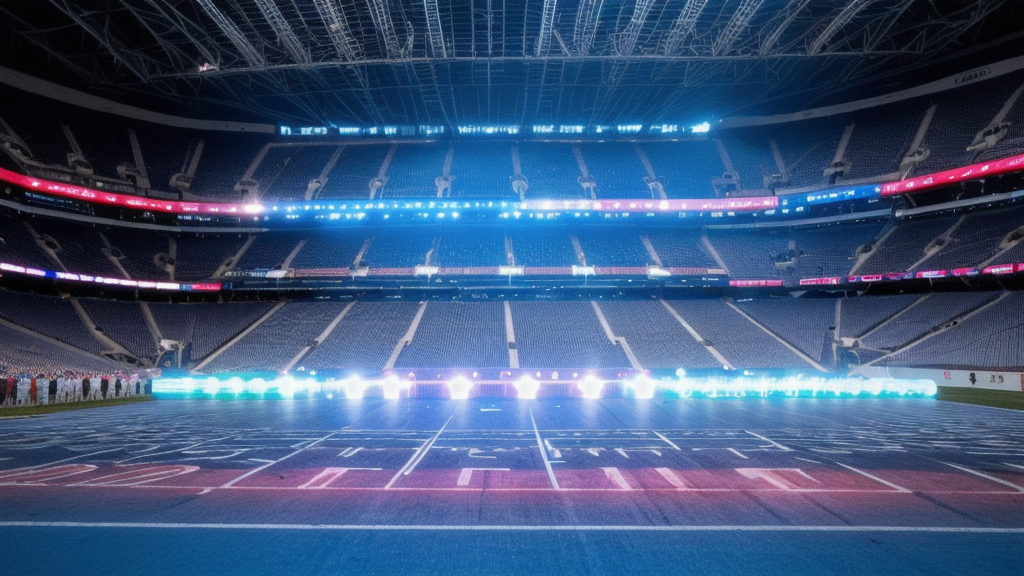
Enhancing Broadcast Quality with SMPTE ST 2110 SMPTE ST 2110 allows for the transmission of high-quality video signals directly over standard Ethernet networks. This capability means that sports facilities can achieve broadcast quality without the limitations of traditional SDI (Serial Digital Interface) technology. According to Mike Johnson, Chief Technology Officer at SportsNet Global, “The adoption of SMPTE ST 2110 has not only improved our image quality but also opened up new possibilities for creative content delivery.” One of the key benefits of SMPTE ST 2110 is its ability to support multiple video resolutions and frame rates simultaneously over a single network. This flexibility enables broadcasters to cater to diverse platforms, from high-definition TV broadcasts to ultra-high-definition (4K and beyond) streams for online viewers.
Streamlining Operations with IP-Based Infrastructure Adopting SMPTE ST 2110 also allows sports facilities to streamline their operations by consolidating multiple signal types onto a single network. Traditionally, audio, video, and control signals required separate networks, leading to increased complexity and maintenance costs. With IP-based infrastructure, these signals can be managed more efficiently, reducing downtime and improving reliability. As Jeff Lee, Network Engineer at the Los Angeles Memorial Coliseum, notes, “By implementing SMPTE ST 2110, we’ve been able to simplify our network architecture significantly. This not only makes it easier for our technical staff to manage the system but also reduces the need for expensive hardware upgrades.”
Preparing for Future Innovations The move towards IP-based broadcasting with SMPTE ST 2110 is not just about enhancing current operations; it’s also about preparing for future innovations. As new technologies continue to emerge, having a flexible and scalable infrastructure becomes increasingly important. Facilities that have adopted SMPTE ST 2110 are better positioned to incorporate advancements such as AI-driven analytics, augmented reality (AR) overlays, and interactive viewer experiences. Moreover, the standard’s support for real-time data transport over IP networks means that broadcasters can take advantage of advanced monitoring tools and analytics. This enables more informed decision-making and continuous improvement in broadcast quality and performance.
Conclusion The implementation of SMPTE ST 2110 standards represents a significant step forward for sports facilities looking to enhance their broadcasting capabilities. By providing high-quality video transmission over IP networks, streamlining operations, and preparing for future innovations, this standard is transforming the landscape of sports broadcasting.

Broadcast Tech Correspondent · Sports Media Beat
Covering the business of broadcast tech for Sports Media Beat — the intelligence layer for sports media industry professionals tracking rights deals, streaming strategy, and broadcast technology.
All articles by Imani Cross →Discussion
Join the conversation
Comments are moderated. Please keep discussion respectful and on-topic. Flag inappropriate content using the flag icon.
You May Also Like

MLB Network Enhances Affiliated Baseball's Exposure
Exploring the impact of MLB Network's partnership with AAPB All-Star Game and its potential to elevate broadcast production standards for affiliated baseball.

Mediaproxy's LogServer Comes to US Market with HVS Integration
The partnership between Mediaproxy and Heartland Video Systems (HVS) brings advanced logging and monitoring solutions to the U.S. broadcast market, setting a ne

Backblaze's Cutting-Edge Storage Solution Powers CoreWeave's AI Cloud Infrastructure
The partnership between Backblaze and CoreWeave marks a significant step in the world of sports broadcast production as it enhances the storage capacity for AI

