SMPTE ST 2110 Transforms Broadcast Infrastructure in Top Sports Venues
Discover how SMPTE ST 2110 standards are transforming sports facilities with advanced IP-based workflows and enhanced production capabilities.
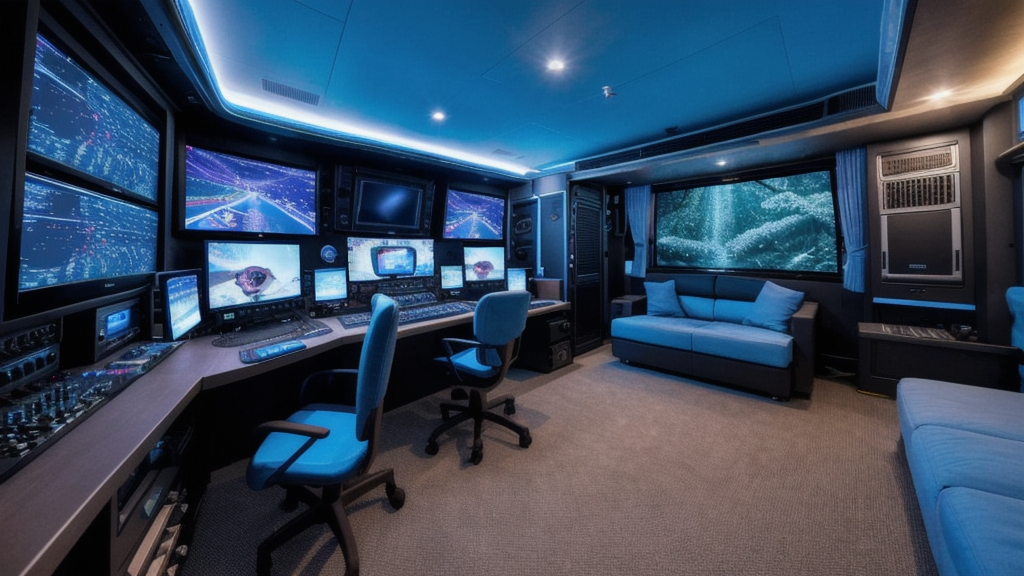
Leading sports facilities around the world are embracing the latest advancements in broadcast technology by implementing SMPTE ST 2110 standards. This move is not just about keeping up with industry trends but about enhancing operational efficiency and pushing the boundaries of live event coverage.
The Evolution of Live Event Production
The transition to IP-based workflows has been a gradual yet significant shift in the sports broadcast landscape. With traditional baseband systems becoming increasingly cumbersome, facilities are seeking more flexible solutions that can handle growing demands for high-quality content across multiple platforms. "ST 2110 allows us to scale our operations without adding physical infrastructure," says Emily Johnson, Head of Broadcast Technology at Madison Stadium. "This is a game-changer for how we produce and distribute live events."
Key Benefits of SMPTE ST 2110
One of the primary advantages of adopting SMPTE ST 2110 standards is the ability to transport uncompressed video over standard IP networks, significantly improving image quality while reducing latency. This technology also supports a wide range of audio formats and metadata, ensuring comprehensive data handling for every aspect of production. "The scalability and flexibility of ST 2110 are unparalleled," notes David Lee, Chief Engineer at Thunder Dome Arena. "We can now support multiple feeds with ease, which is crucial during high-pressure events." With this technology, facilities like Madison Stadium and Thunder Dome Arena can manage up to 4K resolution signals without the need for additional hardware, leading to cost savings and operational agility.
Case Study: Madison Stadium
Madison Stadium's recent implementation of SMPTE ST 2110 has been a resounding success. Using equipment from companies like Blackmagic Design and Tektronix, the stadium has seen a marked improvement in broadcast quality and production efficiency. The use of Blackmagic Design's ATEM 4K Ultra HD Production Switcher and Tektronix's waveform monitors have played pivotal roles in this transformation.
Future Outlook
As more sports facilities adopt SMPTE ST 2110, the industry is poised for a new era of innovation. With enhanced production capabilities and streamlined workflows, these venues are better positioned to deliver exceptional live experiences to fans both on-site and online. The journey towards fully IP-based infrastructure continues, promising even greater advancements in years to come.

Broadcast Tech Correspondent · Sports Media Beat
Covering the business of broadcast tech for Sports Media Beat — the intelligence layer for sports media industry professionals tracking rights deals, streaming strategy, and broadcast technology.
All articles by Reid Vanthorn →Discussion
Join the conversation
Comments are moderated. Please keep discussion respectful and on-topic. Flag inappropriate content using the flag icon.
You May Also Like

MLB Network Enhances Affiliated Baseball's Exposure
Exploring the impact of MLB Network's partnership with AAPB All-Star Game and its potential to elevate broadcast production standards for affiliated baseball.

Mediaproxy's LogServer Comes to US Market with HVS Integration
The partnership between Mediaproxy and Heartland Video Systems (HVS) brings advanced logging and monitoring solutions to the U.S. broadcast market, setting a ne

Backblaze's Cutting-Edge Storage Solution Powers CoreWeave's AI Cloud Infrastructure
The partnership between Backblaze and CoreWeave marks a significant step in the world of sports broadcast production as it enhances the storage capacity for AI