SMPTE ST 2110 Takes Center Stage: How Interoperability Standards Are Revolutionizing Sports Production
Discover how SMPTE ST 2110 is revolutionizing sports broadcasting by enabling seamless integration and distribution across technologies, enhancing efficiency and innovation.
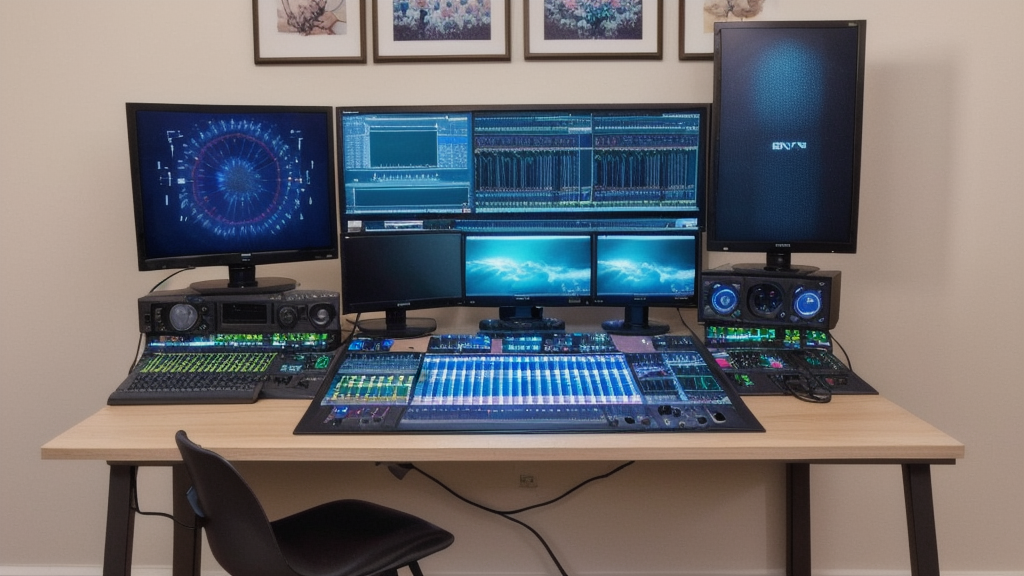
The world of sports broadcasting is undergoing a significant transformation driven by advancements in technology and the implementation of interoperability standards. Among these, the Society of Motion Picture and Television Engineers (SMPTE) ST 2110 standard stands out as a cornerstone for modernizing production workflows. By enabling the transport of video over IP networks, SMPTE ST 2110 facilitates greater flexibility and scalability, crucial in the fast-paced environment of sports events.
The Power of Standardization
"Standardization is key to unlocking the full potential of IP-based broadcasting," says Dr. Rajesh Patel, Chief Technology Officer at MediaStream Innovations. "With SMPTE ST 2110, we can streamline our operations and integrate with a wide array of devices without compatibility issues." This standard defines how video, audio, and other media are packaged and transmitted over IP networks, ensuring that every device in the chain can communicate effectively.
Implementing ST 2110: A Case Study
One notable example of ST 2110 implementation is at the recently upgraded broadcast facility of Apex Sports Network. By adopting Grass Valley’s Karrera IP Video Production System, Apex has seen a 30% increase in production efficiency. "The seamless integration of our cameras and switchers via ST 2110 has allowed us to focus more on content creation rather than troubleshooting," remarks Sarah Chen, Head of Technology at Apex Sports Network.
The Future of Sports Broadcasting
Looking ahead, the adoption of these standards promises even greater innovations. According to a recent report by Frost & Sullivan, the global market for IP video infrastructure is projected to reach $3.4 billion by 2025, driven largely by advancements like SMPTE ST 2110. This growth underscores the importance of staying ahead in technology adoption. In conclusion, the integration of interoperability standards such as SMPTE ST 2110 is not just a trend but a necessity for modern sports production. As facilities continue to upgrade and new technologies emerge, these standards will play an increasingly vital role in ensuring seamless and efficient workflows.

Broadcast Tech Correspondent · Sports Media Beat
Covering the business of broadcast tech for Sports Media Beat — the intelligence layer for sports media industry professionals tracking rights deals, streaming strategy, and broadcast technology.
All articles by Priya Nanthan →Discussion
Join the conversation
Comments are moderated. Please keep discussion respectful and on-topic. Flag inappropriate content using the flag icon.
You May Also Like

MLB Network Enhances Affiliated Baseball's Exposure
Exploring the impact of MLB Network's partnership with AAPB All-Star Game and its potential to elevate broadcast production standards for affiliated baseball.

Mediaproxy's LogServer Comes to US Market with HVS Integration
The partnership between Mediaproxy and Heartland Video Systems (HVS) brings advanced logging and monitoring solutions to the U.S. broadcast market, setting a ne

Backblaze's Cutting-Edge Storage Solution Powers CoreWeave's AI Cloud Infrastructure
The partnership between Backblaze and CoreWeave marks a significant step in the world of sports broadcast production as it enhances the storage capacity for AI

