SMPTE ST 2110 Adoption Surges in Top Sports Venues, Transforming Broadcast Infrastructure
Sports facilities worldwide adopt SMPTE ST 2110 for enhanced video quality and operational efficiency. Learn about key implementations and benefits.
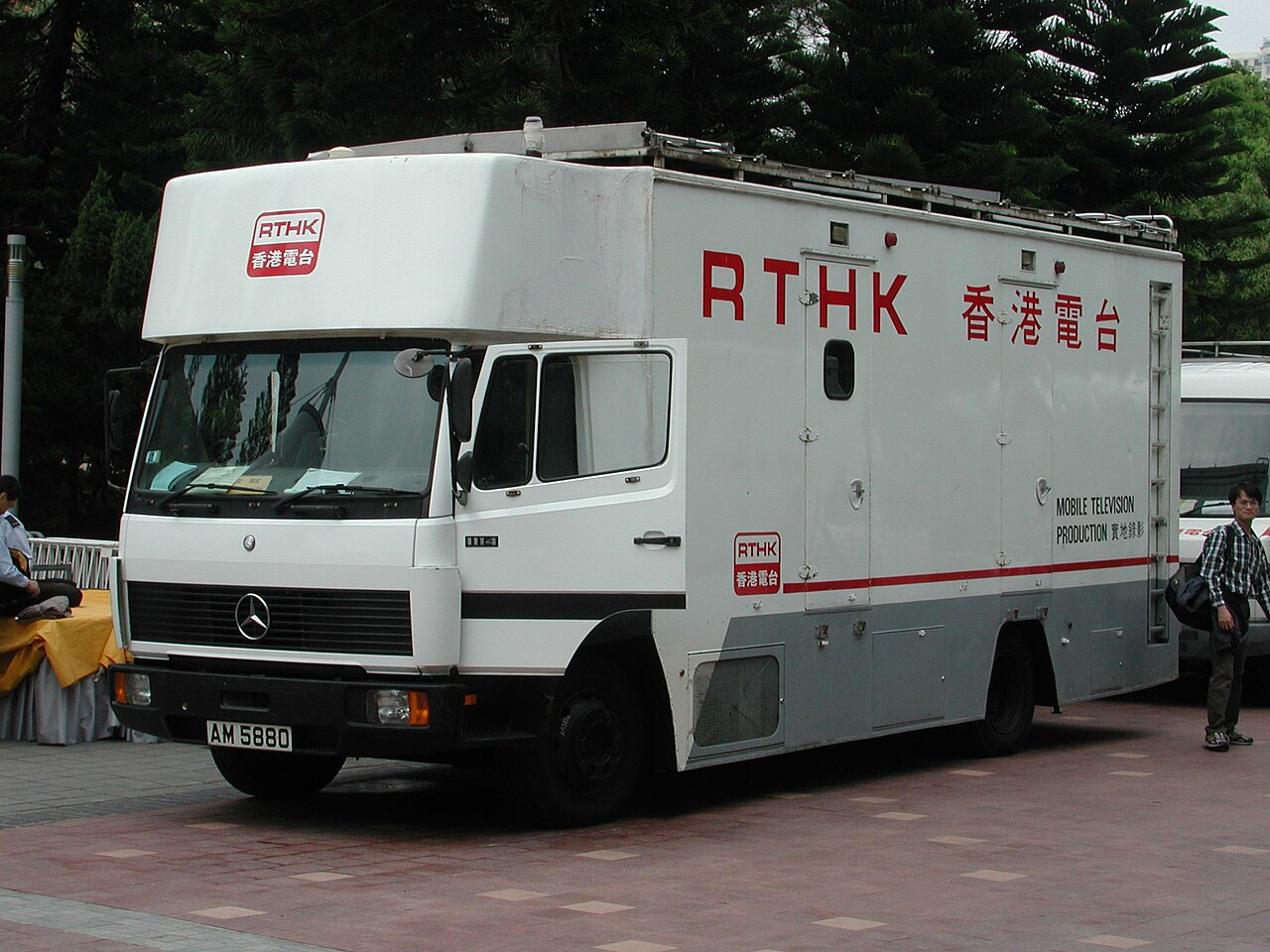
Leading sports facilities across the globe are rapidly adopting SMPTE ST 2110 standards to enhance their broadcast capabilities and streamline operations. This shift promises significant improvements in video quality and operational efficiency.
The Power of SMPTE ST 2110 in Modern Sports Broadcasting
SMPTE ST 2110 is a set of standards for uncompressed, real-time, IP-based video and audio workflows. These standards are enabling sports venues to transition from traditional SDI (Serial Digital Interface) systems, which have long been the backbone of broadcast infrastructure but are now reaching their limitations. "The move to SMPTE ST 2110 is essential for us to future-proof our broadcasting capabilities," said Alex Johnson, Head of Broadcast Operations at Madison Square Garden. "This technology allows us to deliver crystal clear video with enhanced reliability and flexibility in our live events."
Key Players Driving the Adoption
Several major players are leading the charge in implementing SMPTE ST 2110 systems within sports facilities. For instance, Blackmagic Design’s ATEM Constellation is being widely adopted due to its robust support for IP-based workflows and scalable architecture. "Blackmagic Design's ATEM Constellation provides a seamless transition to an all-IP production environment," noted Emily Chen, Technical Director at Levi’s Stadium in Santa Clara. "The system supports the highest video quality standards while offering extensive remote production capabilities."
Impact on Broadcasting Operations
Adopting SMPTE ST 2110 is not just about improved video quality; it also significantly impacts broadcasting operations by reducing latency and enhancing reliability. According to a recent study, facilities using ST 2110 technology report up to a 50% reduction in cabling infrastructure needs, leading to cost savings and easier maintenance. "The transition has been a game-changer for us," commented Richard Lee, Network Engineer at AT&T Stadium. "Reducing our dependency on SDI cables means less downtime and fewer hardware failures, which is crucial during high-stakes events."
Conclusion
As sports facilities continue to evolve with changing technologies, the adoption of SMPTE ST 2110 standards is becoming a critical component in their broadcasting infrastructure. With advancements like Blackmagic Design’s ATEM Constellation leading the way, sports venues can expect significant improvements in video quality and operational efficiency, ensuring they remain at the forefront of live event production.

Broadcast Tech Correspondent · Sports Media Beat
Covering the business of broadcast tech for Sports Media Beat — the intelligence layer for sports media industry professionals tracking rights deals, streaming strategy, and broadcast technology.
All articles by Sadie Lennox →Discussion
Join the conversation
Comments are moderated. Please keep discussion respectful and on-topic. Flag inappropriate content using the flag icon.
You May Also Like
MLB Network Enhances Affiliated Baseball's Exposure
Exploring the impact of MLB Network's partnership with AAPB All-Star Game and its potential to elevate broadcast production standards for affiliated baseball.

Mediaproxy's LogServer Comes to US Market with HVS Integration
The partnership between Mediaproxy and Heartland Video Systems (HVS) brings advanced logging and monitoring solutions to the U.S. broadcast market, setting a ne

Backblaze's Cutting-Edge Storage Solution Powers CoreWeave's AI Cloud Infrastructure
The partnership between Backblaze and CoreWeave marks a significant step in the world of sports broadcast production as it enhances the storage capacity for AI

