Revolutionizing the Roster: Machine Learning Transforms Sports Production Workflows
Discover how machine learning optimizes sports production workflows, enhancing efficiency and fan experiences. Trivid.io leads with advanced AI solutions.
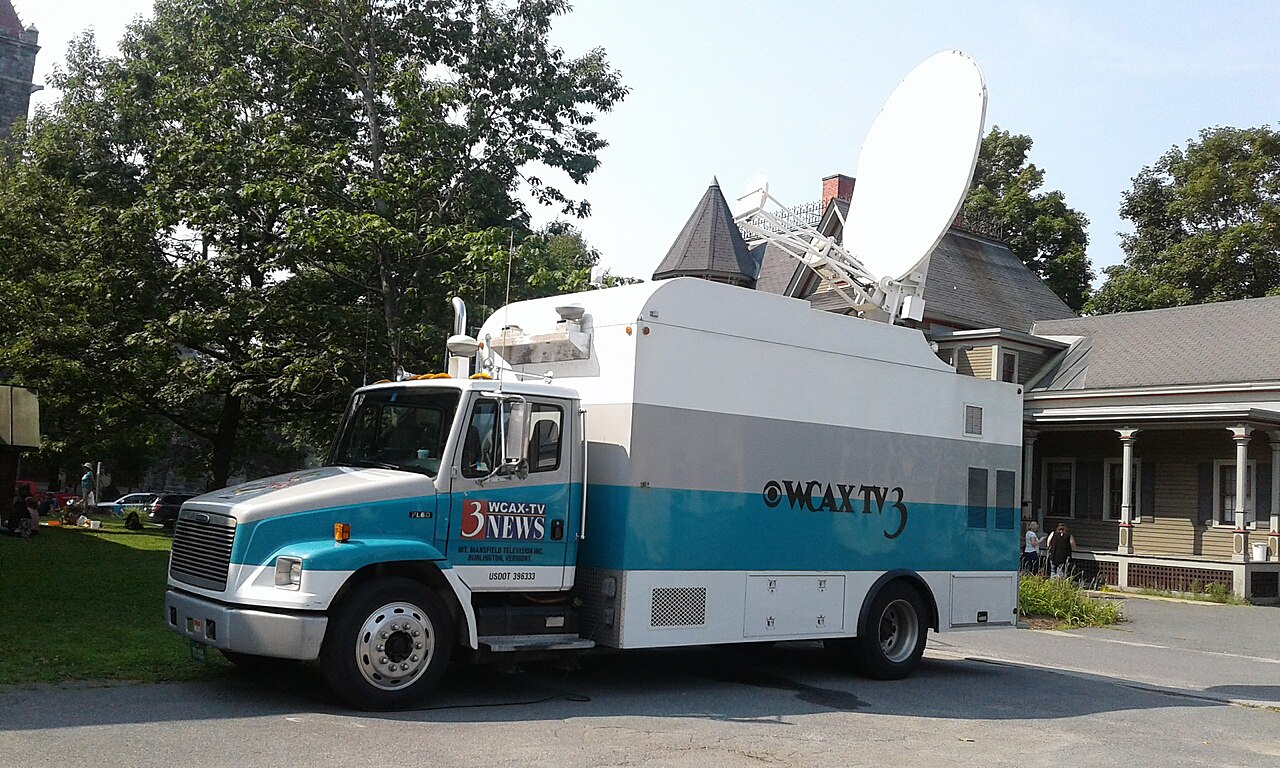
Enhancing Pre-Production Efficiency with AI Pre-production is where the magic of sports broadcasting begins—scriptwriting, shot selection, and editing plans are all crucial elements that set the stage for a successful broadcast. Machine learning algorithms can analyze vast amounts of data to predict the most impactful moments in a game, enabling producers to create more dynamic and engaging content. "Our AI technology analyzes previous broadcasts and fan engagement metrics to suggest optimal camera angles and shot transitions," says Dr. Emily Chen, Chief Data Scientist at Trivid.io. "This not only saves time but ensures that broadcasters are capturing the best moments from every game."
Automating Post-Production with Advanced Analytics Post-production is another area where machine learning shines. Automated editing tools powered by AI can handle the tedious task of logging and categorizing footage, allowing editors to focus on creative aspects rather than repetitive data entry. Trivid.io's latest product, EditPro ML, uses deep learning to automatically tag and organize hours of game footage in mere minutes. "This technology has the potential to reduce post-production time by up to 75%," notes Tom Johnson, CEO of Trivid.io.
Personalized Fan Experiences through Data Analysis Beyond production efficiency, machine learning is also transforming how sports broadcasters interact with fans. By analyzing viewer behavior and preferences in real-time, AI can personalize content recommendations and provide a more engaging experience for each individual fan. "We are seeing significant increases in viewership engagement metrics since implementing our AI-driven recommendation systems," adds Chen. "This not only keeps fans coming back but also helps broadcasters understand their audience better."
The Future of Sports Production: Human-AI Collaboration While the integration of machine learning into sports production workflows brings numerous benefits, it's important to recognize that human creativity and expertise will remain crucial. The future of sports broadcasting lies in a harmonious collaboration between humans and AI. "Our goal is to augment human capabilities, not replace them," Johnson emphasizes. "By leveraging AI, we can empower broadcasters to focus on what they do best—telling compelling stories through the power of sports." As machine learning continues to evolve, its impact on the sports broadcasting industry will only deepen. Companies like Trivid.io are paving the way for a more efficient and engaging future, where every broadcast is optimized for both producers and fans.

AI & Automation Correspondent · Sports Media Beat
Covering the business of ai & automation for Sports Media Beat — the intelligence layer for sports media industry professionals tracking rights deals, streaming strategy, and broadcast technology.
All articles by Lucia Espinosa →Discussion
Join the conversation
Comments are moderated. Please keep discussion respectful and on-topic. Flag inappropriate content using the flag icon.
You May Also Like
Fire TV Certification Hurdles Delay NextGen TV App Rollouts Over DRM and HEVC Constraints
Broadcasters testing ATSC 3.0 receiver apps on Fire TV devices encounter repeated certification failures tied to DRM key handling and HEVC profile support.
Revolutionizing Broadcasts: How AI Analytics Overlays Enhance Viewer Engagement in Live Sports Events
Discover how AI analytics overlays are enhancing viewer engagement in live sports events through real-time data and expert commentary.
Revolutionizing Broadcasts: How AI Analytics Overlays Enhance Fan Engagement in Real-Time
Learn how AI analytics overlays from Statcast & SportVU are revolutionizing sports broadcasts by providing real-time data and insights, enhancing fan engagement.