Fire TV Certification Hurdles Delay NextGen TV App Rollouts Over DRM and HEVC Constraints
Broadcasters testing ATSC 3.0 receiver apps on Fire TV devices encounter repeated certification failures tied to DRM key handling and HEVC profile support.
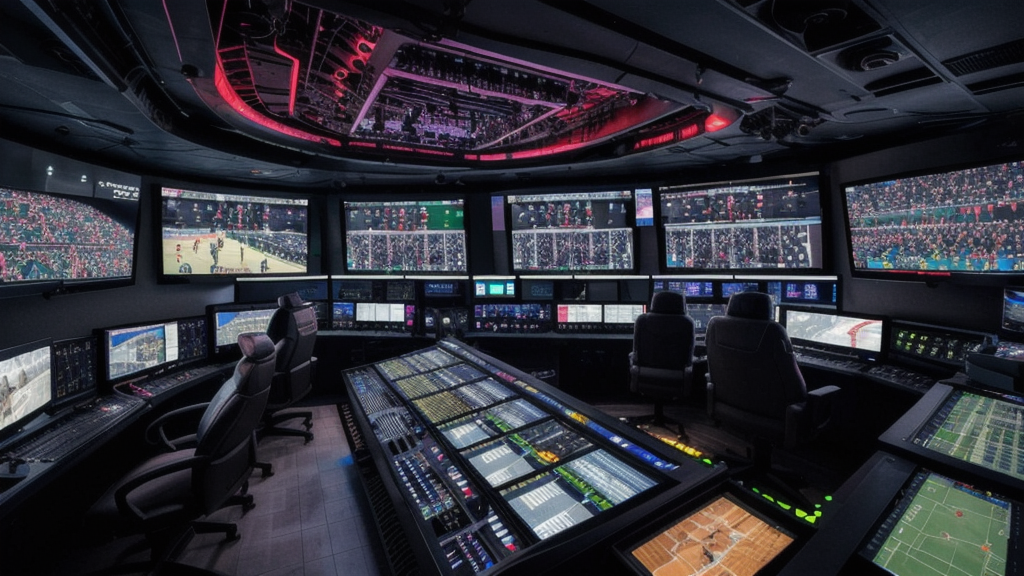
Broadcasters preparing ATSC 3.0 service launches report persistent friction when porting interactive applications to Amazon Fire TV hardware. The core problems center on DRM license acquisition timing, HEVC Main 10 tier compliance, and proper rendering of A/331 emergency alert messages within the A/344 application framework. These issues surface during Amazon’s app certification process and during over-the-air field trials conducted with prototype gateways from manufacturers such as Harmonic and GatesAir.
DRM implementation requires support for PlayReady SL3000 on Fire TV Gen 3 and later devices. Several early test builds failed license request handshakes when the app attempted simultaneous decryption of a 1080p primary stream and a lower-resolution adaptive layer. Engineers traced the failures to missing secure clock synchronization calls required by the ATSC 3.0 security framework.
Broadcasters had to insert explicit license prefetch routines before tune-in, adding measurable latency that exceeded the 200-millisecond threshold specified in receiver performance guidelines. HEVC tier mismatches created separate certification blocks. Fire TV devices expose decoder capabilities at Level 4.1 for Main 10, yet some station encoders output Level 5.0 bitstreams carrying high-dynamic-range metadata.
When the app requested fallback to a constrained baseline profile, the device returned black frames instead of graceful degradation. Field teams resolved the problem by forcing encoder output to Level 4.1 with constrained intra prediction flags, but this change reduced coding efficiency by roughly 12 percent on 4K feeds. Emergency alert rendering exposed additional gaps.
A/331 messages must appear as full-screen crawls or banner overlays within two seconds of reception. On Fire TV, the A/344 web runtime occasionally dropped the required caption service PID when an alert interrupted an active DASH session protected by DRM. Troubleshooting logs showed the app losing surface control after the video element released the secure decoder.
A firmware patch from Amazon restored proper z-order handling, yet stations still needed to supply duplicate alert payloads in both broadcast and broadband paths to guarantee delivery during mixed reception conditions. Integration teams also documented audio routing conflicts when alerts carried AC-4 dialogue enhancement metadata. The Fire TV audio mixer did not preserve the associated metadata through the secure path, producing attenuated dialogue during the alert window.
Resolution required explicit routing of the AC-4 elementary stream through the device’s passthrough API before any DRM-protected video decoding began. These technical revisions carry measurable business consequences. Stations that budgeted for a six-week app certification cycle now project ten to twelve weeks, delaying service announcements to advertisers.
Receiver manufacturers report increased support tickets from early-adopter households attempting side-loaded apps, raising warranty costs. Content partners have withheld premium titles until DRM and alert compliance reach 100 percent pass rates across the installed base of Fire TV units, directly affecting projected subscription revenue tied to NextGen TV interactive features. Field engineers recommend maintaining dual encoder ladders—one constrained to Level 4.1 Main 10 and one full-spec Level 5.0—until Amazon expands decoder profiles.
They also advise embedding redundant alert triggers through both ROUTE/DASH transports and the separate L1 signaling layer. These steps add encoder rack space and monitoring overhead but reduce the likelihood of post-launch service interruptions reported by viewers.

AI & Automation Correspondent · Sports Media Beat
Covering the business of ai & automation for Sports Media Beat — the intelligence layer for sports media industry professionals tracking rights deals, streaming strategy, and broadcast technology.
All articles by Reid Vanthorn →Discussion
Join the conversation
Comments are moderated. Please keep discussion respectful and on-topic. Flag inappropriate content using the flag icon.
You May Also Like
Revolutionizing Broadcasts: How AI Analytics Overlays Enhance Viewer Engagement in Live Sports Events
Discover how AI analytics overlays are enhancing viewer engagement in live sports events through real-time data and expert commentary.
Revolutionizing Broadcasts: How AI Analytics Overlays Enhance Fan Engagement in Real-Time
Learn how AI analytics overlays from Statcast & SportVU are revolutionizing sports broadcasts by providing real-time data and insights, enhancing fan engagement.
Revolutionizing Sports Data Analysis: How Natural Language Processing is Shaping the Future of Sports Media
Discover how IBM Watson and Google Cloud NLP are transforming sports data analytics, offering deep insights and engaging narratives for broadcasters.