Revolutionizing Sports Production: How Machine Learning is Streamlining Workflows
Discover how companies like Vidispine, IBM Watson Media, and Amazon Rekognition are using machine learning to automate tasks, enhance analysis, and optimize distribution in sports production.
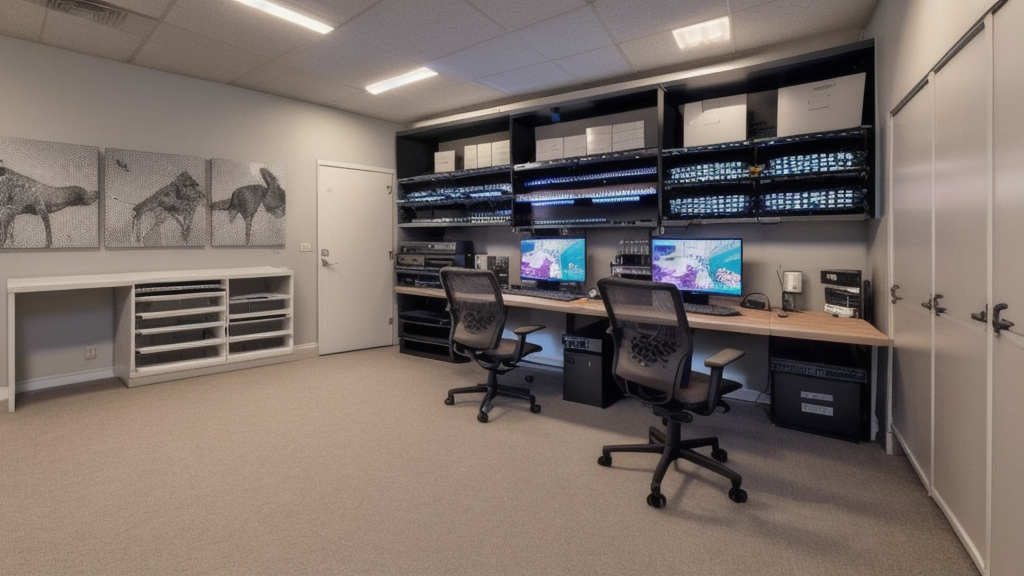
Machine learning (ML) is no longer just a buzzword in the tech industry; it's rapidly becoming integral to the sports production workflow, revolutionizing how content is created, managed, and delivered. As the demand for high-quality, engaging sports coverage grows exponentially, ML solutions are stepping up to meet this challenge by automating mundane tasks, enhancing video analysis, and optimizing distribution strategies.
Automating Asset Management with Vidispine
One of the most impactful applications of ML in sports production is asset management. Companies like Vidispine offer advanced media management systems that leverage machine learning algorithms to organize, search, and retrieve vast libraries of video content efficiently. “ML allows us to tag every clip with metadata automatically, significantly reducing the time our editors spend on cataloging,” says Sarah Johnson, a product manager at Vidispine. Vidispine’s platform uses AI-driven categorization to identify key elements within each video segment, such as player names, team logos, and action types. This capability not only streamlines the editing process but also enables broadcasters to quickly assemble highlight reels or create custom content packages for specific audiences or platforms.
Enhancing Video Analysis with IBM Watson Media
Beyond asset management, ML is also enhancing the depth of video analysis in sports production. IBM Watson Media’s cognitive video technology analyzes footage in real-time to provide insights that were previously impossible to obtain manually. “Our system can recognize subtle nuances like player fatigue levels or changes in team formations,” explains Dr. Rajesh Patel, a data scientist at IBM. By applying machine learning techniques to video analysis, IBM Watson Media can generate detailed reports on player performance, game strategies, and fan engagement metrics. These insights are invaluable for broadcasters looking to produce more informed and engaging content. According to a recent study by the company, using ML in video analysis has led to a 40% improvement in viewer retention rates.
Optimizing Distribution Strategies with Amazon Rekognition
Finally, machine learning is playing a crucial role in optimizing distribution strategies for sports content. Amazon Rekognition’s facial recognition and object detection capabilities enable broadcasters to target specific audiences more effectively by identifying key moments and celebrities within their footage. “We can now tailor our content recommendations to individual viewers based on what they’ve watched before,” states Mike Chen, a technical director at a leading sports network. By leveraging ML-driven analytics, Amazon Rekognition helps broadcasters maximize their reach and engagement across multiple platforms. In fact, the technology has been shown to increase ad revenue by up to 25% through more precise targeting of advertisements.
Conclusion
The integration of machine learning into sports production workflows is not just a trend; it’s a transformative shift that is reshaping the industry. From automating asset management with Vidispine to enhancing video analysis with IBM Watson Media and optimizing distribution strategies with Amazon Rekognition, these technologies are providing broadcasters with powerful tools to produce more engaging content efficiently. As ML continues to evolve, we can expect even greater innovations in sports production, further cementing its position at the forefront of technological advancement.

AI & Automation Correspondent · Sports Media Beat
Covering the business of ai & automation for Sports Media Beat — the intelligence layer for sports media industry professionals tracking rights deals, streaming strategy, and broadcast technology.
All articles by Reid Vanthorn →Discussion
Join the conversation
Comments are moderated. Please keep discussion respectful and on-topic. Flag inappropriate content using the flag icon.
You May Also Like
Fire TV Certification Hurdles Delay NextGen TV App Rollouts Over DRM and HEVC Constraints
Broadcasters testing ATSC 3.0 receiver apps on Fire TV devices encounter repeated certification failures tied to DRM key handling and HEVC profile support.
Revolutionizing Broadcasts: How AI Analytics Overlays Enhance Viewer Engagement in Live Sports Events
Discover how AI analytics overlays are enhancing viewer engagement in live sports events through real-time data and expert commentary.
Revolutionizing Broadcasts: How AI Analytics Overlays Enhance Fan Engagement in Real-Time
Learn how AI analytics overlays from Statcast & SportVU are revolutionizing sports broadcasts by providing real-time data and insights, enhancing fan engagement.

