Revolutionizing Sports Production: How Computer Vision Transforms Broadcasts
Learn how advanced computer vision technologies from Traxens and Veritone transform sports broadcasts through automated camera tracking and real-time analytics.
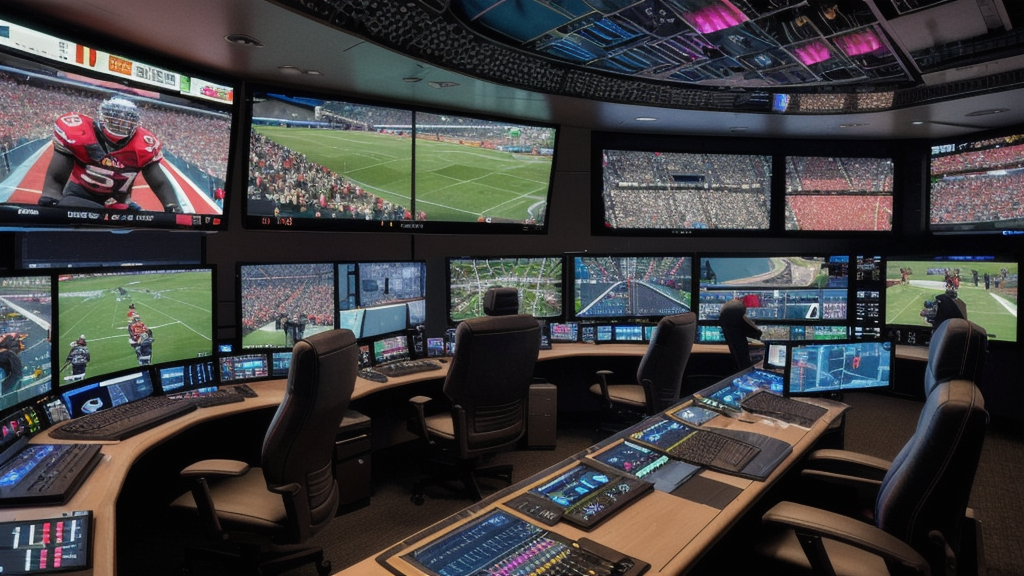
In the fast-paced world of sports broadcasting, accuracy and efficiency are paramount. With advancements in technology, computer vision is becoming an indispensable tool for enhancing production quality. Companies like Traxens and Veritone are pioneering the use of AI-driven solutions to automate tasks once handled manually, providing broadcasters with unparalleled insights and capabilities.
Automated Camera Tracking: Enhancing Viewer Experience
One of the most transformative applications of computer vision in sports is automated camera tracking. Systems such as Traxens' SmartTrack use deep learning algorithms to follow players automatically, ensuring smooth, uninterrupted footage even during high-speed action. This technology not only saves time and resources but also delivers a more engaging viewing experience. "The integration of SmartTrack has been a game-changer for our production team," says Sarah Johnson, the head of sports production at a major network. "It allows us to focus on creating compelling narratives rather than worrying about camera placement."
Real-Time Player Analytics: Making Data-Driven Decisions
Beyond enhancing visual aspects, computer vision enables real-time player analytics, offering broadcasters and teams invaluable insights into performance metrics. Veritone's aiWARE platform leverages advanced machine learning techniques to analyze game footage, providing detailed statistics such as speed, acceleration, and player positioning. "With aiWARE, we can break down every play in a matter of seconds," remarks Mike Lee, a data scientist at the same network. "This level of detail is crucial for both broadcast quality and strategic analysis."
Cost Efficiency and Scalability
The adoption of computer vision technologies also brings significant cost savings and scalability benefits to sports production. By automating time-consuming tasks like slow-motion review and highlight compilation, broadcasters can allocate resources more effectively, resulting in higher-quality content at a lower operational cost. According to a recent study by Gartner, the global market for AI in media and entertainment is projected to reach $7 billion by 2025. This underscores the growing importance of these technologies in shaping the future of sports broadcasting.
Conclusion
As technology continues to evolve, computer vision will undoubtedly play an increasingly vital role in sports production. By streamlining processes, enhancing viewer experiences, and providing actionable insights, companies like Traxens and Veritone are paving the way for a new era of innovation in the industry.

AI & Automation Correspondent · Sports Media Beat
Covering the business of ai & automation for Sports Media Beat — the intelligence layer for sports media industry professionals tracking rights deals, streaming strategy, and broadcast technology.
All articles by Brendan Okwu →Discussion
Join the conversation
Comments are moderated. Please keep discussion respectful and on-topic. Flag inappropriate content using the flag icon.
You May Also Like
Fire TV Certification Hurdles Delay NextGen TV App Rollouts Over DRM and HEVC Constraints
Broadcasters testing ATSC 3.0 receiver apps on Fire TV devices encounter repeated certification failures tied to DRM key handling and HEVC profile support.
Revolutionizing Broadcasts: How AI Analytics Overlays Enhance Viewer Engagement in Live Sports Events
Discover how AI analytics overlays are enhancing viewer engagement in live sports events through real-time data and expert commentary.
Revolutionizing Broadcasts: How AI Analytics Overlays Enhance Fan Engagement in Real-Time
Learn how AI analytics overlays from Statcast & SportVU are revolutionizing sports broadcasts by providing real-time data and insights, enhancing fan engagement.

