Revolutionizing Sports Production: How Computer Vision Powers Enhanced Broadcasts
Learn how computer vision is revolutionizing sports broadcasts with real-time analytics and automation, enhancing viewer engagement and streamlining production workflows.
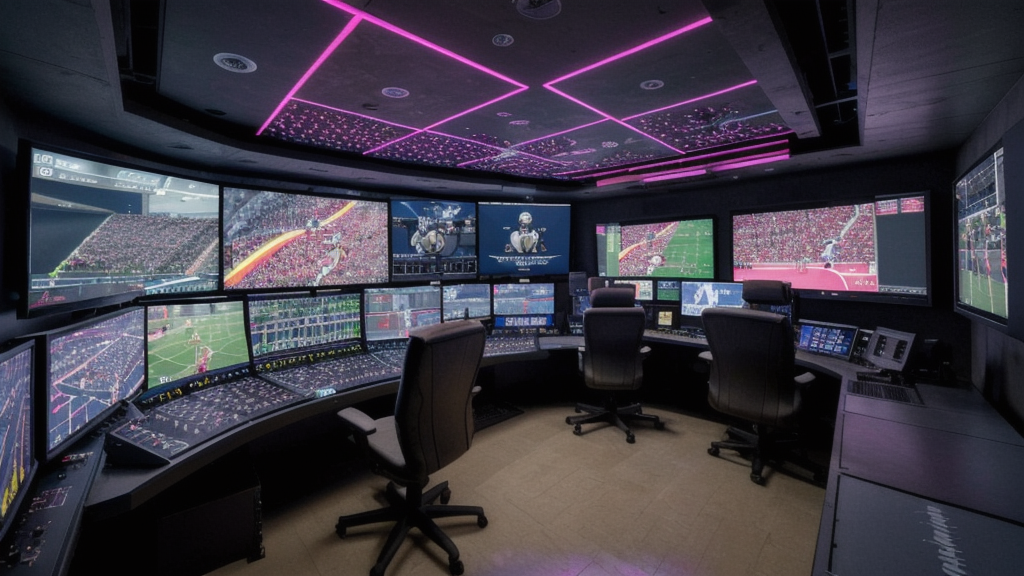
Enhancing Viewer Engagement with Real-Time Analytics
One of the most significant benefits of integrating computer vision into sports broadcasts is its ability to enhance viewer engagement through real-time analytics. Companies like Brightcove’s Visual Insights utilize advanced image recognition and video analysis tools to provide broadcasters with actionable insights on player performance, audience behavior, and fan sentiment. "Our technology can identify key moments in a game, such as high-impact plays or player fatigue, which allows commentators to provide more insightful commentary," says Dr. Emily Carter, Senior Engineer at Brightcove. "This not only improves the viewing experience but also offers broadcasters valuable data for strategic planning."
Optimizing Production Workflow with Automation
Beyond enhancing content quality and viewer engagement, computer vision is streamlining production workflows by automating repetitive tasks. IBM’s Watson Visual Recognition, for instance, can automatically categorize and tag video content based on visual elements, significantly reducing the time required for manual editing. "With our technology, broadcasters can focus more on creative aspects of their work rather than spending hours on tedious editing processes," comments John Harris, Product Manager at IBM. "This automation enables faster turnaround times and allows teams to produce high-quality broadcasts with fewer resources."
Case Study: NBA’s Enhanced Broadcast Experience
A prime example of computer vision in action is the National Basketball Association (NBA), which has integrated various AI-driven technologies into its broadcast pipeline. The NBA uses advanced camera tracking systems, such as Stats Perform’s SportVU, to provide detailed player statistics and real-time analytics during live broadcasts. According to a recent study by Deloitte, the NBA saw a 15% increase in viewer engagement after implementing these AI-driven enhancements. By combining data from multiple sources, broadcasters can create more personalized experiences for fans, tailoring content based on individual preferences and interests.
Conclusion
As technology continues to evolve, computer vision is poised to play an increasingly pivotal role in the future of sports broadcasting. By enhancing viewer engagement through real-time analytics, optimizing production workflows with automation, and providing valuable insights for strategic planning, these advanced solutions are setting new standards for the industry. With leading companies like Brightcove and IBM at the forefront, the possibilities for innovation in sports media are endless.

AI & Automation Correspondent · Sports Media Beat
Covering the business of ai & automation for Sports Media Beat — the intelligence layer for sports media industry professionals tracking rights deals, streaming strategy, and broadcast technology.
All articles by Brendan Okwu →Discussion
Join the conversation
Comments are moderated. Please keep discussion respectful and on-topic. Flag inappropriate content using the flag icon.
You May Also Like
Fire TV Certification Hurdles Delay NextGen TV App Rollouts Over DRM and HEVC Constraints
Broadcasters testing ATSC 3.0 receiver apps on Fire TV devices encounter repeated certification failures tied to DRM key handling and HEVC profile support.
Revolutionizing Broadcasts: How AI Analytics Overlays Enhance Viewer Engagement in Live Sports Events
Discover how AI analytics overlays are enhancing viewer engagement in live sports events through real-time data and expert commentary.
Revolutionizing Broadcasts: How AI Analytics Overlays Enhance Fan Engagement in Real-Time
Learn how AI analytics overlays from Statcast & SportVU are revolutionizing sports broadcasts by providing real-time data and insights, enhancing fan engagement.

