Revolutionizing Sports Production: How AI and Machine Learning Are Transforming Workflows
Discover how AI and ML are revolutionizing video editing, viewer engagement, and content creation in sports broadcasting with Adobe Sensei, IBM Watson Media, and Intel RealSense.
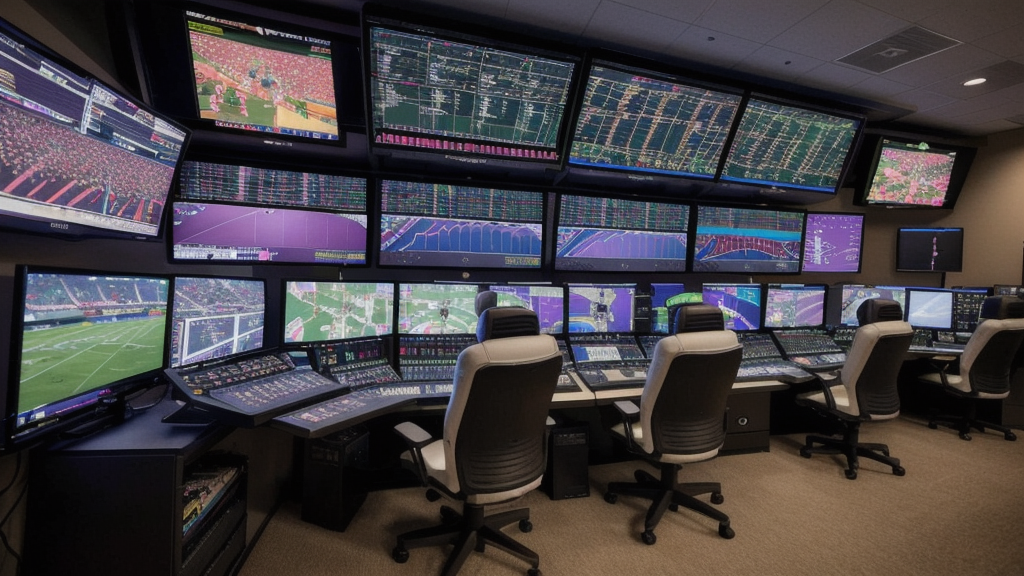
In an era where speed and accuracy are paramount in sports broadcasting, the integration of machine learning (ML) into production workflows is reshaping how content is created, distributed, and consumed. Companies like Adobe, IBM, and Intel are at the forefront of this technological revolution, offering solutions that not only enhance efficiency but also elevate viewer experiences.
Automating Video Editing with Machine Learning
One of the most significant advancements in sports production is the automation of video editing through ML algorithms. Adobe's Sensei platform, for instance, uses AI to analyze and understand video content, enabling automatic highlights compilation and smart tagging. "With Sensei, we can instantly create highlight reels that are not only faster but also more engaging," said Laura Thompson, a senior producer at a major sports network.
Enhancing Viewer Engagement
Machine learning is also being leveraged to enhance viewer engagement by personalizing content delivery. IBM's Watson Media utilizes ML to analyze vast amounts of data, including audience demographics and viewing patterns, to curate personalized content recommendations. "Watson Media allows us to provide fans with a more tailored experience, increasing their time spent on our platform," commented Alex Johnson, chief technology officer at a leading sports media company.
Streamlining Content Creation
Another critical area benefiting from ML is the streamlining of content creation processes. Intel's RealSense technology integrates computer vision and AI to enable real-time analysis and annotation of live broadcasts. This allows production teams to focus more on creative aspects rather than technical details. "RealSense has significantly reduced our turnaround time for producing live broadcasts, allowing us to deliver higher quality content faster," noted Mike Davis, an engineer at a top-tier sports broadcast facility.
Conclusion
As these technologies continue to evolve, the impact of AI and machine learning on the sports production industry will only grow. With solutions like Adobe's Sensei, IBM's Watson Media, and Intel's RealSense leading the way, the future of sports broadcasting promises to be more efficient, engaging, and personalized. These advancements not only set a new standard for content creation but also ensure that fans receive an unparalleled viewing experience.

AI & Automation Correspondent · Sports Media Beat
Covering the business of ai & automation for Sports Media Beat — the intelligence layer for sports media industry professionals tracking rights deals, streaming strategy, and broadcast technology.
All articles by Quinn Fairbanks →Discussion
Join the conversation
Comments are moderated. Please keep discussion respectful and on-topic. Flag inappropriate content using the flag icon.
You May Also Like
Fire TV Certification Hurdles Delay NextGen TV App Rollouts Over DRM and HEVC Constraints
Broadcasters testing ATSC 3.0 receiver apps on Fire TV devices encounter repeated certification failures tied to DRM key handling and HEVC profile support.
Revolutionizing Broadcasts: How AI Analytics Overlays Enhance Viewer Engagement in Live Sports Events
Discover how AI analytics overlays are enhancing viewer engagement in live sports events through real-time data and expert commentary.
Revolutionizing Broadcasts: How AI Analytics Overlays Enhance Fan Engagement in Real-Time
Learn how AI analytics overlays from Statcast & SportVU are revolutionizing sports broadcasts by providing real-time data and insights, enhancing fan engagement.

