Revolutionizing Sports Coverage: How Automated Tools Are Shaping the Future of News Generation
Discover how automated tools like QuillBot and StatSheet are revolutionizing sports journalism with AI-driven content generation, enhancing accuracy and expanding global reach.
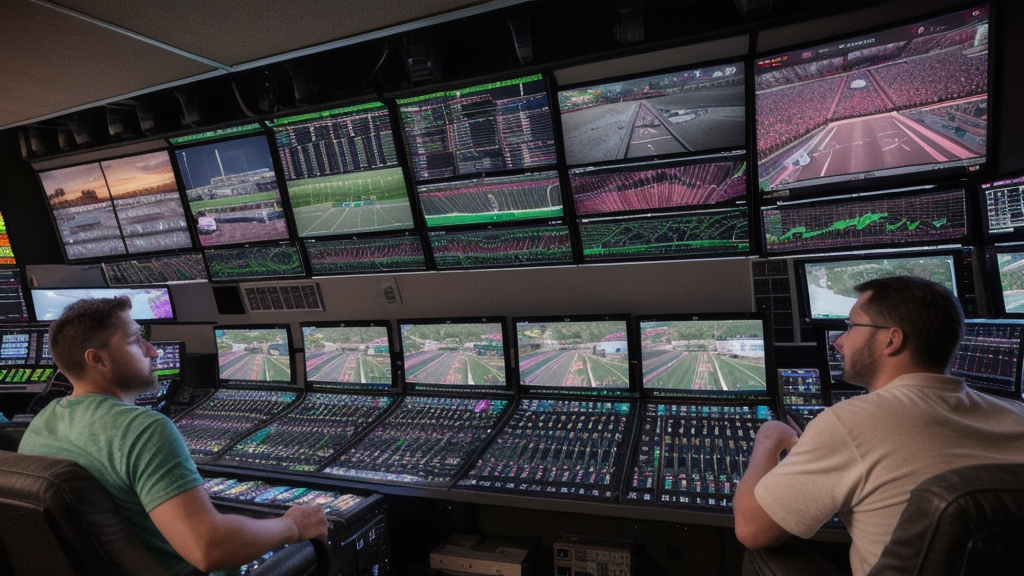
The Rise of Automated Content Generation
Automated sports news generation utilizes advanced AI algorithms to create detailed game recaps, player profiles, and statistical analyses based on raw data feeds. This technology allows journalists to focus more on in-depth storytelling and analysis rather than time-consuming data entry tasks. "Our system can generate a comprehensive game recap within minutes of the final buzzer," says Dr. Emily Chen, Chief Technology Officer at StatSheet. "It processes millions of data points from various sources to provide an unbiased and detailed account that would otherwise take hours to compile manually."
Enhancing Accuracy and Efficiency
One of the key benefits of automated content generation is its ability to minimize human error in reporting statistics and scores. By leveraging machine learning, these tools can quickly cross-reference multiple data feeds to ensure accuracy. "The precision with which our algorithms process data means that journalists can trust the information being provided," notes Alex Thompson, CEO of QuillBot. "This allows them to focus on crafting compelling narratives without worrying about factual inaccuracies."
Broader Audience Reach
Automated tools also play a crucial role in expanding sports coverage to underserved markets. By automating content creation, newsrooms can publish more frequent updates and recaps in multiple languages, reaching a global audience. According to Statista, the global market for AI-driven marketing technologies is projected to grow from $18 billion in 2023 to $47 billion by 2026. This growth underscores the increasing importance of automation in content creation and distribution.
The Future of Sports Journalism
As automated tools continue to evolve, their integration into sports journalism will likely become even more prevalent. However, it's important for newsrooms to strike a balance between leveraging technology and maintaining human touch and expertise. "While AI can handle the bulk of data-driven content creation," says Chen, "it's the human journalists who add the depth and context that make stories truly engaging." As we look to the future, the collaboration between humans and machines will undoubtedly shape the way sports news is delivered to audiences worldwide.

AI & Automation Correspondent · Sports Media Beat
Covering the business of ai & automation for Sports Media Beat — the intelligence layer for sports media industry professionals tracking rights deals, streaming strategy, and broadcast technology.
All articles by Sloane Mercer →Discussion
Join the conversation
Comments are moderated. Please keep discussion respectful and on-topic. Flag inappropriate content using the flag icon.
You May Also Like
Fire TV Certification Hurdles Delay NextGen TV App Rollouts Over DRM and HEVC Constraints
Broadcasters testing ATSC 3.0 receiver apps on Fire TV devices encounter repeated certification failures tied to DRM key handling and HEVC profile support.

Revolutionizing Broadcasts: How AI Analytics Overlays Enhance Viewer Engagement in Live Sports Events
Discover how AI analytics overlays are enhancing viewer engagement in live sports events through real-time data and expert commentary.

Revolutionizing Broadcasts: How AI Analytics Overlays Enhance Fan Engagement in Real-Time
Learn how AI analytics overlays from Statcast & SportVU are revolutionizing sports broadcasts by providing real-time data and insights, enhancing fan engagement.

