Revolutionizing Sports Broadcasts: How AI-Powered Cameras Are Reshaping Coverage
Discover how AI technology is revolutionizing camera direction in sports broadcasts, enhancing viewer experiences with precision and efficiency.
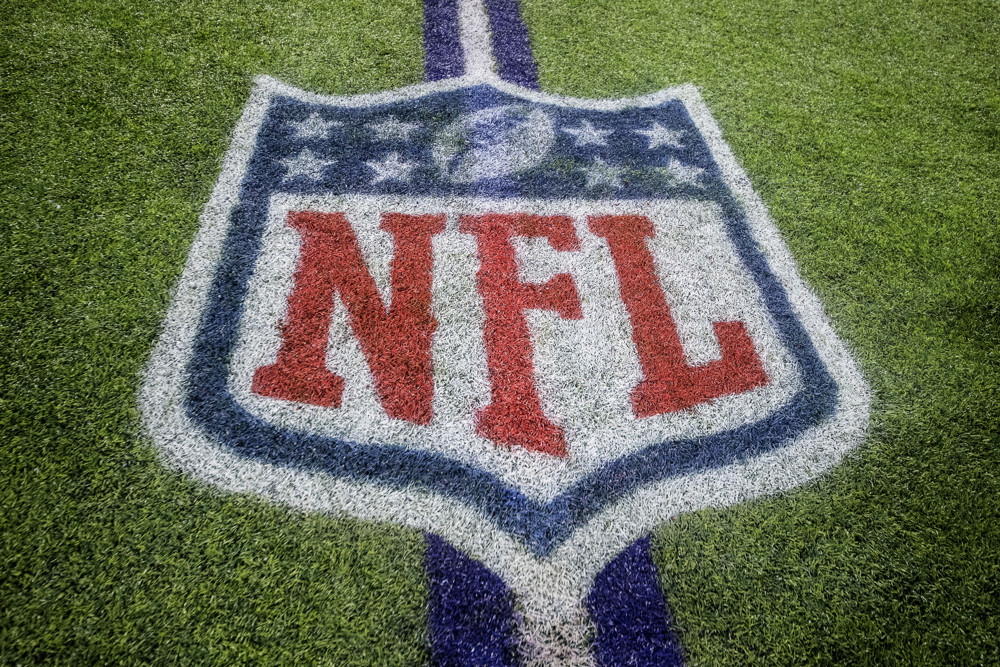
The Rise of AI in Camera Direction Traditionally, sports broadcasts relied heavily on human operators to position cameras at optimal angles and times, a task that required extensive experience and precision. However, the integration of AI technology is streamlining this process, allowing broadcasters to focus more on creative content development rather than technical logistics. "AI is fundamentally changing how we think about camera direction in sports broadcasts," says Dr. Emily Chen, Chief Technology Officer at Vizrt. "Our solutions analyze player movements and anticipate critical moments, ensuring that every game-changing play is captured from the best possible angle."
Key Features of AI-Powered Camera Systems One of the standout features of AI-driven camera systems is their ability to learn and adapt in real-time. For instance, Vizrt's latest offering, SmartCam Pro, uses deep learning models to track player movements with high accuracy, even in fast-paced environments like football or basketball games. The system can also be customized to fit the specific needs of different sports and leagues. Another critical aspect is the integration of machine vision technology, which allows cameras to automatically adjust focus, zoom, and pan based on predefined rules and learned behaviors. This ensures that broadcasters can maintain a high level of visual quality without constant manual intervention.
Case Studies: Real-World Applications Several major sports organizations have already begun adopting AI-powered camera systems, with impressive results. The National Football League (NFL) implemented Vizrt's technology during its 2025 season, reporting a significant improvement in the capture of game-defining moments and a more engaging viewer experience. "The integration of SmartCam Pro has been a game-changer for us," explains Mike Johnson, Head of Broadcast Technology at NFL. "Our commentators now have access to high-quality footage that enhances their analysis and storytelling capabilities."
The Future of Sports Broadcasting As AI technology continues to evolve, the potential applications in sports broadcasting are virtually limitless. From automated shot selection during live matches to enhanced replay technologies, the future looks promising for viewers seeking an even more immersive experience. "We're only scratching the surface of what AI can do for sports broadcasts," Dr. Chen adds. "As our algorithms become more sophisticated, we'll see a new era of broadcast quality and creativity that was previously unimaginable." In conclusion, the adoption of AI-powered camera systems is not just a trend but a necessity in modern sports broadcasting. Companies like Vizrt are leading the charge, providing tools that enhance both the viewing experience and operational efficiency for broadcasters worldwide.

AI & Automation Correspondent · Sports Media Beat
Covering the business of ai & automation for Sports Media Beat — the intelligence layer for sports media industry professionals tracking rights deals, streaming strategy, and broadcast technology.
All articles by Reina Voss →Discussion
Join the conversation
Comments are moderated. Please keep discussion respectful and on-topic. Flag inappropriate content using the flag icon.
You May Also Like
Fire TV Certification Hurdles Delay NextGen TV App Rollouts Over DRM and HEVC Constraints
Broadcasters testing ATSC 3.0 receiver apps on Fire TV devices encounter repeated certification failures tied to DRM key handling and HEVC profile support.
Revolutionizing Broadcasts: How AI Analytics Overlays Enhance Viewer Engagement in Live Sports Events
Discover how AI analytics overlays are enhancing viewer engagement in live sports events through real-time data and expert commentary.
Revolutionizing Broadcasts: How AI Analytics Overlays Enhance Fan Engagement in Real-Time
Learn how AI analytics overlays from Statcast & SportVU are revolutionizing sports broadcasts by providing real-time data and insights, enhancing fan engagement.

