Revolutionizing Sports Broadcasting: How AI-Powered Cameras are Transforming Live Events
Discover how companies like CamMezz and SportVU use AI for automated camera direction, enhancing sports broadcasts with real-time tracking and data analytics.
Enhancing Viewer Engagement with Intelligent Cameras
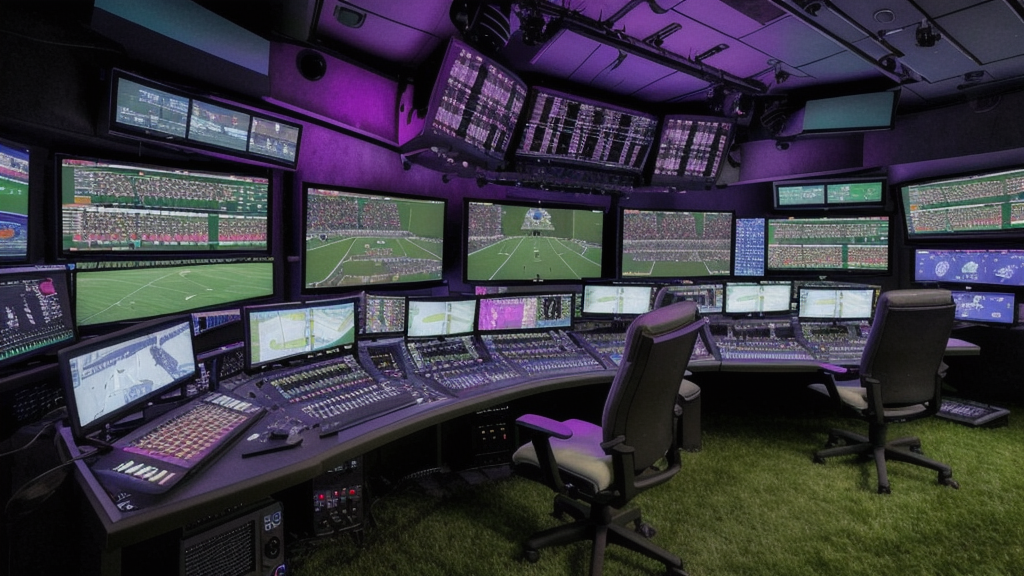
One of the most notable applications of AI in automated camera direction is its ability to track athletes in real-time, ensuring dynamic and uninterrupted coverage. CamMezz's latest model, the CamMezz Pro 4K, utilizes deep learning algorithms to predict player movements and automatically adjust camera angles, zoom levels, and focus points. According to Raj Patel, Chief Technology Officer at CamMezz, “Our technology is designed to mimic a human operator’s intuition, capturing every crucial moment without missing a beat.” This intelligent tracking not only reduces the need for manual intervention but also enhances the overall quality of the broadcast.
Efficiency Gains and Cost Reductions
Beyond improved viewer engagement, AI-powered cameras offer substantial benefits in terms of efficiency and cost savings. Traditional sports broadcasts often require large teams to manually operate multiple camera angles, adding significant costs and logistical challenges. SportVU's solution, the SV4000, automates up to 25 camera positions using a single operator, drastically reducing labor requirements. As explained by Dr. Lisa Chen, Director of Product Development at SportVU, “By minimizing human error and maximizing productivity, our system helps broadcasters achieve higher quality content at lower costs.”
Data-Driven Decision Making in Sports Analytics
The integration of AI not only optimizes the broadcast process but also provides valuable data insights that can be used for strategic decision making. CamMezz's Pro 4K includes an analytics module that tracks player performance metrics, enabling coaches and analysts to make informed decisions based on real-time data. With over 95% accuracy in tracking multiple players simultaneously, these systems are poised to become indispensable tools in modern sports operations.
Future Prospects and Challenges
As AI technology continues to evolve, the future of automated camera direction appears promising. However, challenges such as ensuring seamless integration with existing infrastructure and addressing privacy concerns remain significant hurdles. Despite these obstacles, industry experts believe that the benefits far outweigh the drawbacks. By embracing AI-driven innovations, sports broadcasters can stay ahead in a rapidly changing media landscape. In conclusion, the adoption of AI-powered cameras represents a pivotal moment for the sports broadcasting industry. Through enhanced viewer engagement, increased efficiency, and valuable data analytics, these technologies are poised to transform live events into more immersive and insightful experiences.

AI & Automation Correspondent · Sports Media Beat
Covering the business of ai & automation for Sports Media Beat — the intelligence layer for sports media industry professionals tracking rights deals, streaming strategy, and broadcast technology.
All articles by Priya Nanthan →Discussion
Join the conversation
Comments are moderated. Please keep discussion respectful and on-topic. Flag inappropriate content using the flag icon.
You May Also Like
Fire TV Certification Hurdles Delay NextGen TV App Rollouts Over DRM and HEVC Constraints
Broadcasters testing ATSC 3.0 receiver apps on Fire TV devices encounter repeated certification failures tied to DRM key handling and HEVC profile support.
Revolutionizing Broadcasts: How AI Analytics Overlays Enhance Viewer Engagement in Live Sports Events
Discover how AI analytics overlays are enhancing viewer engagement in live sports events through real-time data and expert commentary.
Revolutionizing Broadcasts: How AI Analytics Overlays Enhance Fan Engagement in Real-Time
Learn how AI analytics overlays from Statcast & SportVU are revolutionizing sports broadcasts by providing real-time data and insights, enhancing fan engagement.

