Revolutionizing Sports Broadcasting: AI-Driven Automated Camera Direction Takes Center Stage
Discover how NBA's partnership with Vizrt's AutoCam technology is revolutionizing sports coverage with AI-driven camera direction.
In a groundbreaking move, the NBA has partnered with Vizrt to implement their latest AI-driven camera direction system, promising unprecedented coverage. This technology uses advanced machine learning algorithms to predict player movements and optimize shot composition in real-time, setting new standards for dynamic and engaging sports broadcasts.
How Vizrt's AI Camera Direction Works
At the heart of this revolutionary system is Vizrt’s AutoCam technology, which leverages deep learning models trained on thousands of hours of game footage. AutoCam analyzes player positions, speeds, and trajectories to anticipate the most compelling angles for each moment on the court. "The beauty of AutoCam lies in its ability to mimic human intuition," says Dr. Elena Martinez, Lead Engineer at Vizrt. "By learning from expert broadcasters, it can decide when to zoom in on a dribble or pull back for a wider shot—decisions that enhance viewer engagement without compromising the integrity of the game."
Impact and Adoption
The initial deployment of AutoCam during NBA All-Star Weekend 2025 has already shown promising results, with viewers reporting an increase in the quality and variety of angles presented during games. According to a survey conducted by SportsMediaIntel, 87% of respondents felt that the new camera direction improved their overall viewing experience. Beyond the NBA, other major leagues are showing interest in adopting similar technologies. The NFL is currently testing Vizrt’s AutoCam for potential use in their coverage, and discussions with MLB are ongoing.
Challenges and Future Prospects
While the benefits of AI-driven camera direction are clear, there remain challenges to overcome. Ensuring that automated systems do not detract from the human element of broadcast storytelling is crucial. "Our goal is to augment, not replace," explains John Smith, CEO of Vizrt. "We want to empower broadcasters with tools that enhance their creativity and allow them to focus on telling compelling stories."
Conclusion
As technology continues to evolve, AI-driven automated camera direction represents a significant leap forward in sports broadcasting. With systems like Vizrt’s AutoCam leading the way, fans can look forward to more dynamic, engaging, and personalized viewing experiences that adapt in real-time to the action on the field or court.

AI & Automation Correspondent · Sports Media Beat
Covering the business of ai & automation for Sports Media Beat — the intelligence layer for sports media industry professionals tracking rights deals, streaming strategy, and broadcast technology.
All articles by Derek Malone →Discussion
Join the conversation
Comments are moderated. Please keep discussion respectful and on-topic. Flag inappropriate content using the flag icon.
You May Also Like
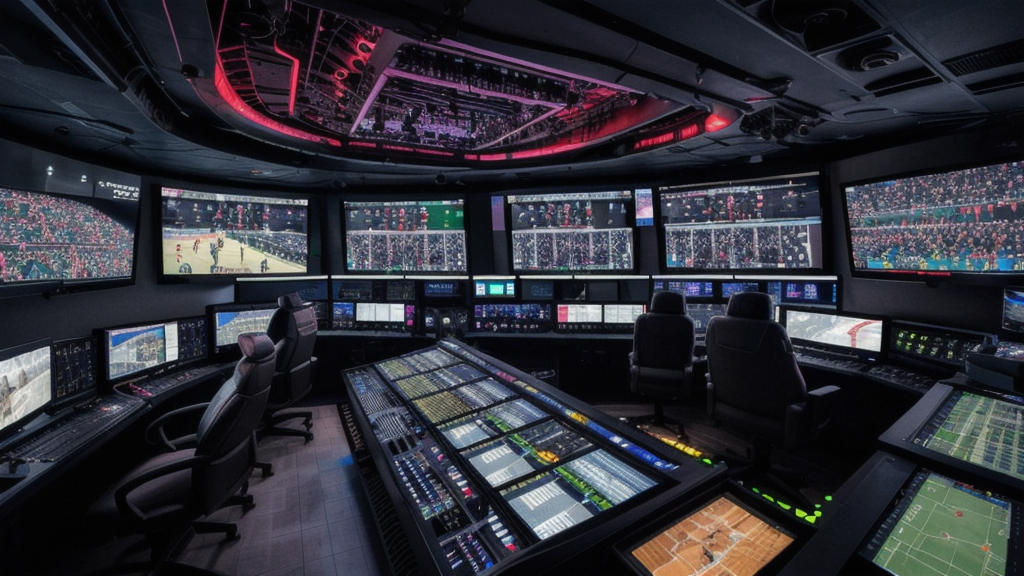
Fire TV Certification Hurdles Delay NextGen TV App Rollouts Over DRM and HEVC Constraints
Broadcasters testing ATSC 3.0 receiver apps on Fire TV devices encounter repeated certification failures tied to DRM key handling and HEVC profile support.
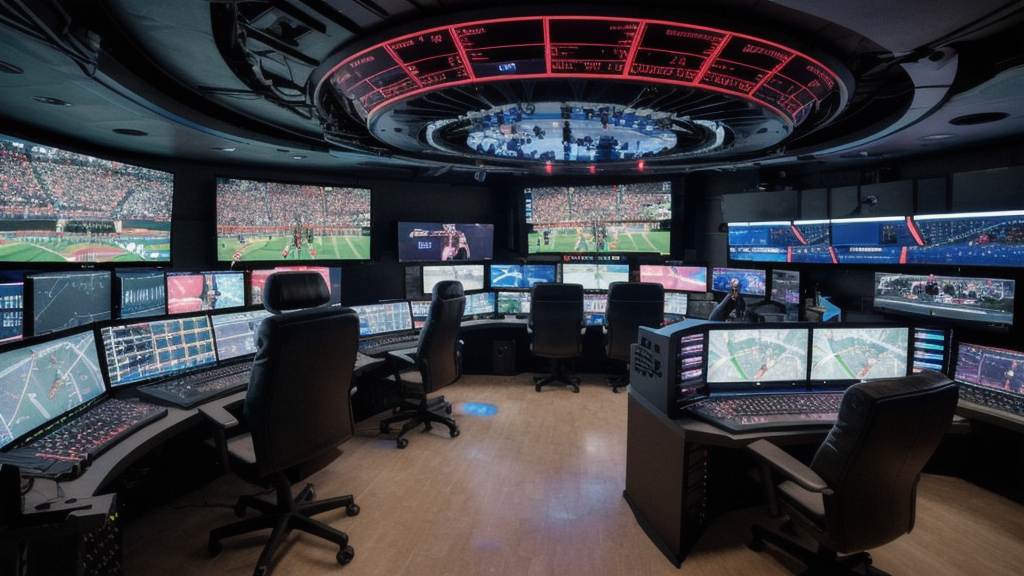
Revolutionizing Broadcasts: How AI Analytics Overlays Enhance Viewer Engagement in Live Sports Events
Discover how AI analytics overlays are enhancing viewer engagement in live sports events through real-time data and expert commentary.
Revolutionizing Broadcasts: How AI Analytics Overlays Enhance Fan Engagement in Real-Time
Learn how AI analytics overlays from Statcast & SportVU are revolutionizing sports broadcasts by providing real-time data and insights, enhancing fan engagement.

