Revolutionizing Live Sports: How 4K UHD Production Workflows Are Reshaping Broadcasting
Discover how 4K UHD is revolutionizing live sports with advanced technologies from MediaMatics Inc. and Teradek, delivering unparalleled clarity and detail to audiences.
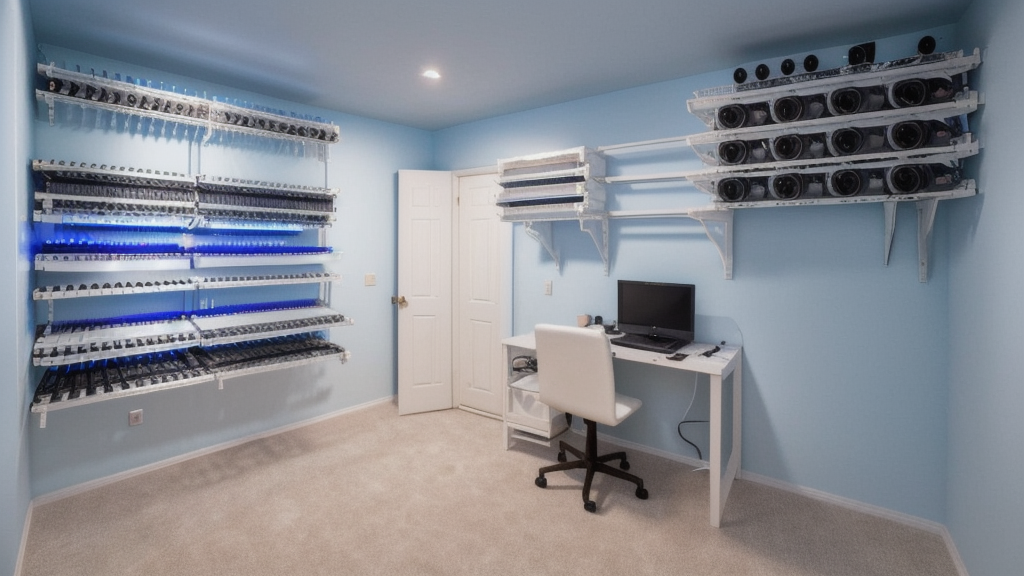
The transition from HD to 4K UHD in live sports broadcasting is more than just an upgrade; it's a paradigm shift that requires significant investment and innovation. As the demand for high-resolution content continues to grow, broadcasters are turning to advanced technologies to deliver immersive experiences to viewers.
The Evolution of Sports Production
In the past decade, the television industry has seen a dramatic shift towards ultra-high-definition (UHD) broadcasting. 4K UHD, with its four times the resolution of Full HD, offers unparalleled clarity and detail that can significantly enhance the viewer experience during live sports events. According to a survey by Futuresource Consulting, over 70% of consumers plan to upgrade to 4K-capable devices in the next three years. "The transition to 4K UHD is not just about providing better visual quality," says Sarah Chen, Chief Technology Officer at MediaMatics Inc. "It's about creating an immersive environment that captures every moment of the action with stunning detail and precision." MediaMatics has recently unveiled their latest 4K production suite, which includes the UltraPro X2 camera system capable of capturing up to 1080p60 images per second.
The Technical Challenges
Adopting 4K UHD in live sports broadcasting presents unique challenges. High-resolution content requires significant bandwidth and storage capacity, pushing the limits of existing infrastructure. To address these issues, companies like Teradek have developed innovative solutions such as their Bolt Pro 4K encoder, which compresses high-definition video streams for efficient transmission over IP networks. "The key to successful 4K production lies in managing data flow effectively," explains John Lee, Head of R&D at Teradek. "Our Bolt Pro 4K encoder is designed to handle the massive data rates associated with ultra-high-definition content without compromising quality or latency." With a maximum bitrate of up to 1 Gbps, the Bolt Pro can ensure smooth, uninterrupted broadcast even in complex environments.
The Future of Live Sports
The future of live sports broadcasting is undoubtedly tied to 4K UHD technology. As more broadcasters adopt these advanced workflows, we can expect an explosion in high-resolution content across various platforms. This trend not only benefits viewers but also opens up new opportunities for content creators and advertisers to engage with audiences on a deeper level. In conclusion, the transition to 4K UHD is shaping the future of live sports broadcasting. With advancements in camera technology, data compression, and transmission solutions, broadcasters are well-equipped to deliver immersive experiences that captivate viewers like never before.

Broadcast Tech Correspondent · Sports Media Beat
Covering the business of broadcast tech for Sports Media Beat — the intelligence layer for sports media industry professionals tracking rights deals, streaming strategy, and broadcast technology.
All articles by Derek Malone →Discussion
Join the conversation
Comments are moderated. Please keep discussion respectful and on-topic. Flag inappropriate content using the flag icon.
You May Also Like

MLB Network Enhances Affiliated Baseball's Exposure
Exploring the impact of MLB Network's partnership with AAPB All-Star Game and its potential to elevate broadcast production standards for affiliated baseball.

Mediaproxy's LogServer Comes to US Market with HVS Integration
The partnership between Mediaproxy and Heartland Video Systems (HVS) brings advanced logging and monitoring solutions to the U.S. broadcast market, setting a ne

Backblaze's Cutting-Edge Storage Solution Powers CoreWeave's AI Cloud Infrastructure
The partnership between Backblaze and CoreWeave marks a significant step in the world of sports broadcast production as it enhances the storage capacity for AI

