Revolutionizing Live Sports Coverage: The Impact of 4K UHD Production Workflows
Explore how top broadcasters are using 4K UHD tech to enhance viewer experiences in live sports coverage.
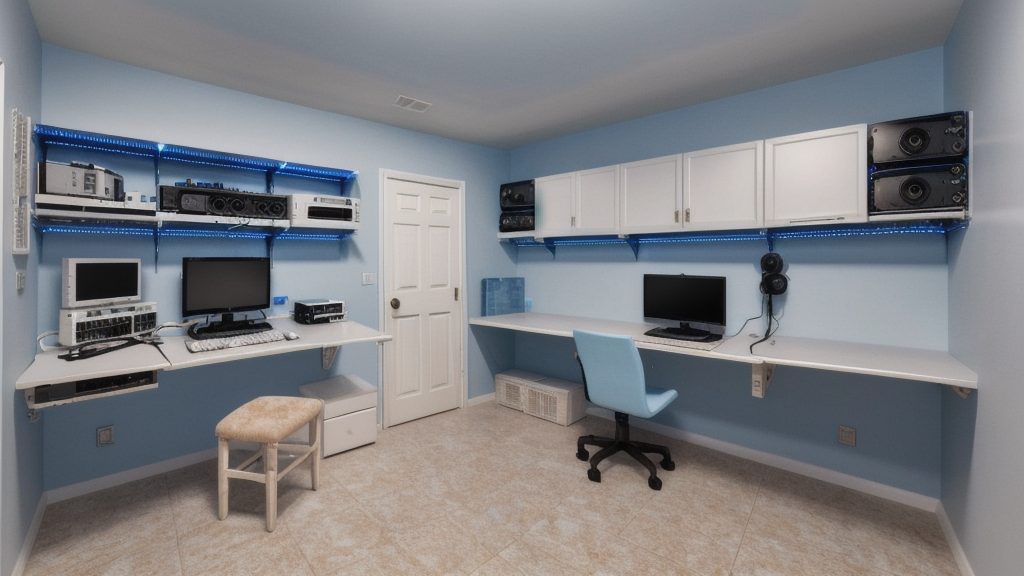
In the ever-evolving landscape of live sports broadcasting, the transition to 4K Ultra High Definition (UHD) production workflows is not just a trend but a necessity. As viewers demand higher quality and more immersive content, broadcasters are increasingly adopting 4K UHD technology to meet these expectations. This shift requires significant investments in infrastructure, workflow reconfiguration, and staff training, yet the benefits are undeniable.
The Drive for 4K UHD: A Closer Look
The push towards 4K UHD is driven by a combination of technological advancements, viewer preferences, and competitive pressures within the industry. According to a recent study by ABI Research, the global market for 4K broadcast cameras is expected to reach $1 billion by 2025, reflecting the growing demand. "4K UHD offers us a level of detail that HD simply cannot match," says Sarah Chen, Chief Technology Officer at Premier Broadcasting. "It’s about delivering an experience that feels like you’re right there in the stadium." This sentiment is echoed across the industry as broadcasters seek to differentiate themselves through superior picture quality.
Key Technologies Enabling 4K UHD Workflows
Several key technologies are facilitating the transition to 4K UHD production workflows. One such technology is the ARRI Alexa Mini LF, a compact yet powerful camera that supports native 5.7K resolution and offers exceptional low-light performance. This makes it ideal for live sports events where lighting conditions can be challenging. Another critical component is the software used for signal processing and transmission. Companies like Grass Valley offer solutions like Kayenne HD/4K Live Production System, which integrates seamlessly with various cameras and recording devices to ensure high-quality video output. "Our system allows broadcasters to handle 4K workflows with ease, providing real-time monitoring and control," explains Mike Johnson, Product Manager at Grass Valley.
Overcoming Challenges in Implementation
Despite the clear advantages of 4K UHD production, there are challenges that broadcasters must address. One major hurdle is the increased bandwidth required for data transmission. To tackle this issue, many broadcasters are implementing advanced compression technologies like HEVC (High Efficiency Video Coding), which reduces file sizes without sacrificing quality. Another challenge lies in the need for robust storage solutions capable of handling large volumes of high-resolution footage. Companies like Quantum offer scalable storage systems designed to meet these demands efficiently. "With our technology, broadcasters can store and manage massive amounts of 4K content with ease," notes Lisa Lee, Senior Director at Quantum.
Conclusion
The transition to 4K UHD production workflows is reshaping the live sports broadcasting industry. By leveraging cutting-edge technologies such as ARRI Alexa Mini LF cameras, Grass Valley’s Kayenne HD/4K Live Production System software, and advanced storage solutions from Quantum, broadcasters can deliver an unparalleled viewing experience. As Sarah Chen emphasizes, “The future of broadcast technology lies in 4K UHD, and those who embrace it will be at the forefront of this exciting transformation.”

Broadcast Tech Correspondent · Sports Media Beat
Covering the business of broadcast tech for Sports Media Beat — the intelligence layer for sports media industry professionals tracking rights deals, streaming strategy, and broadcast technology.
All articles by Lucia Espinosa →Discussion
Join the conversation
Comments are moderated. Please keep discussion respectful and on-topic. Flag inappropriate content using the flag icon.
You May Also Like

MLB Network Enhances Affiliated Baseball's Exposure
Exploring the impact of MLB Network's partnership with AAPB All-Star Game and its potential to elevate broadcast production standards for affiliated baseball.

Mediaproxy's LogServer Comes to US Market with HVS Integration
The partnership between Mediaproxy and Heartland Video Systems (HVS) brings advanced logging and monitoring solutions to the U.S. broadcast market, setting a ne

Backblaze's Cutting-Edge Storage Solution Powers CoreWeave's AI Cloud Infrastructure
The partnership between Backblaze and CoreWeave marks a significant step in the world of sports broadcast production as it enhances the storage capacity for AI

