Revolutionizing Broadcast Spaces: How Advanced Infrastructure is Transforming Sports Media Facilities
Discover how AI, smart networks, and energy efficiency are revolutionizing broadcast spaces in sports media.
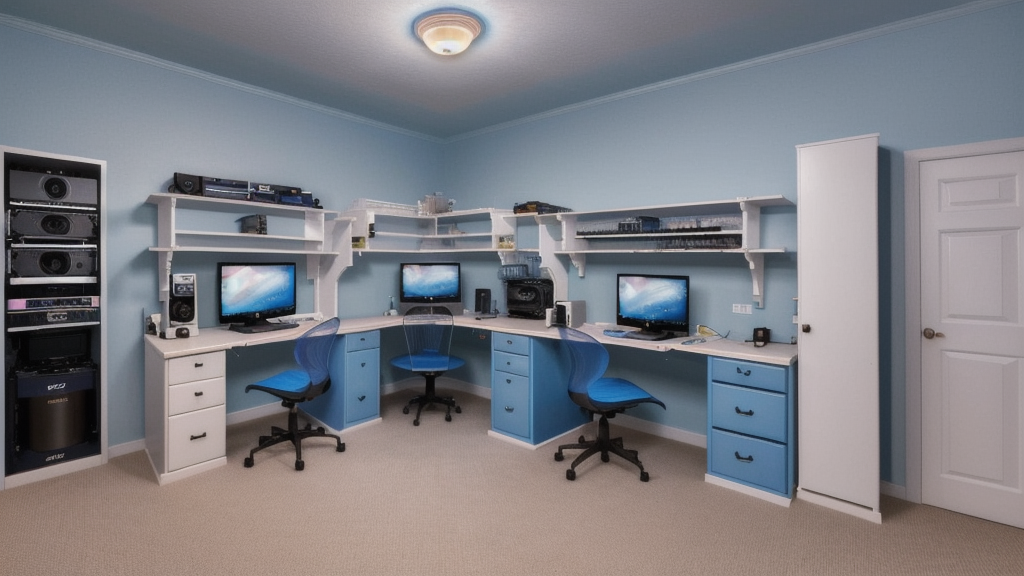
Leading edge technology in broadcast facility design and infrastructure planning is not just enhancing the quality of sports broadcasts; it's redefining them. As stadiums and arenas evolve, so too do their requirements for audio-visual systems, networking capabilities, and energy efficiency.
The Role of AI and Automation in Broadcast Infrastructure
Artificial intelligence (AI) and automation are at the forefront of these technological advancements. Companies like Cobham, a leading provider of broadcast solutions, are integrating AI-driven technologies to optimize workflow processes. According to Dr. Sarah Johnson, Chief Technology Officer at Cobham, "Our AI algorithms can predict and mitigate potential issues before they arise, ensuring broadcasting operations even during high-stress events." This level of predictive maintenance not only reduces downtime but also improves the reliability of broadcast systems.
Smart Networking Solutions: Ensuring Reliability and Scalability
In today’s digital age, networking solutions are essential for delivering content to various platforms. Cisco, a pioneer in network technology, offers scalable solutions that can handle the increasing demand for high-definition streams and live broadcasts. "With Cisco's advanced networking infrastructure, broadcasters can easily scale their operations without compromising on quality or speed," comments Tom Harris, Director of Sports Media Solutions at Cisco.
Energy Efficiency: A Growing Concern
Energy consumption is a significant concern in large-scale broadcast facilities. Implementing energy-efficient technologies not only benefits the environment but also reduces operational costs. Bosch, known for its smart home and security systems, has expanded into sports media with solutions that prioritize sustainability. "Our LED lighting and efficient power management systems can reduce energy usage by up to 30%," states Lisa Chen, Vice President of Sales at Bosch. This reduction in energy consumption is crucial as the demand for broadcast facilities continues to grow. The evolution of broadcast facility design and infrastructure planning is driven by a combination of technological advancements, environmental considerations, and market demands. By embracing AI-driven solutions, smart networking technologies, and energy-efficient practices, sports media facilities can ensure they are prepared for the future while delivering exceptional coverage.

Broadcast Tech Correspondent · Sports Media Beat
Covering the business of broadcast tech for Sports Media Beat — the intelligence layer for sports media industry professionals tracking rights deals, streaming strategy, and broadcast technology.
All articles by Derek Malone →Discussion
Join the conversation
Comments are moderated. Please keep discussion respectful and on-topic. Flag inappropriate content using the flag icon.
You May Also Like

MLB Network Enhances Affiliated Baseball's Exposure
Exploring the impact of MLB Network's partnership with AAPB All-Star Game and its potential to elevate broadcast production standards for affiliated baseball.

Mediaproxy's LogServer Comes to US Market with HVS Integration
The partnership between Mediaproxy and Heartland Video Systems (HVS) brings advanced logging and monitoring solutions to the U.S. broadcast market, setting a ne

Backblaze's Cutting-Edge Storage Solution Powers CoreWeave's AI Cloud Infrastructure
The partnership between Backblaze and CoreWeave marks a significant step in the world of sports broadcast production as it enhances the storage capacity for AI

