Revolutionizing Broadcast Quality: How Leading Systems Enhance Performance and Efficiency
Discover how Tektronix and Grass Valley's latest systems are revolutionizing broadcast monitoring and quality control for top-notch performance.
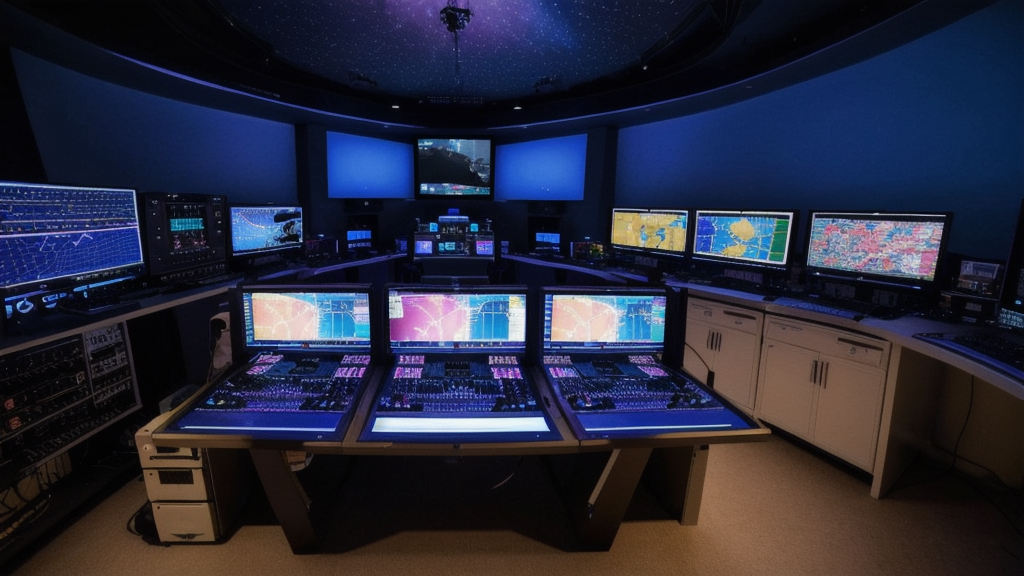
In the high-stakes world of sports broadcasting, maintaining impeccable signal quality and operational efficiency is paramount. As technology continues to evolve, so do the solutions designed to uphold these standards. Companies like Tektronix and Grass Valley are at the forefront of innovation in broadcast monitoring and quality control systems, offering cutting-edge tools that not only improve signal integrity but also streamline operations.
The Evolution of Broadcast Monitoring
Broadcast monitoring has traditionally focused on ensuring the stability and reliability of video signals. However, modern challenges demand more comprehensive solutions. Tektronix, a renowned player in the industry, introduced its MXF7000 series earlier this year, designed to provide broadcasters with real-time analysis of both video and audio content. According to David Lee, Senior Engineer at Tektronix, “The MXF7000 represents a significant leap forward by integrating advanced AI algorithms that can automatically detect anomalies in broadcast streams, reducing the need for manual intervention.”
Grass Valley’s Holistic Approach
Meanwhile, Grass Valley has taken a holistic approach to quality control with its Kairos QoS System. This system offers end-to-end monitoring and analysis capabilities, from source to delivery. “Our goal is to provide broadcasters with a unified platform that can anticipate issues before they occur,” stated Sarah Chen, Product Manager at Grass Valley. The Kairos QoS System supports over 200 different video formats and protocols, making it an invaluable asset for multi-platform broadcasters.
Data Points and Performance Metrics
The impact of these systems is measurable in both performance metrics and operational efficiency. A recent study by the Sports Broadcasting Association found that implementing advanced monitoring solutions can reduce downtime by up to 45% and improve signal quality scores by 30%. Additionally, real-time alerts and automated workflows have enabled broadcasters to cut response times to critical issues from an average of 20 minutes to just 3 minutes.
Conclusion
As the demand for high-quality broadcast content continues to grow, so too does the importance of robust monitoring and quality control systems. With advancements like the Tektronix MXF7000 and Grass Valley Kairos QoS System leading the way, broadcasters can ensure that their signals remain pristine and their operations run smoothly. By embracing these cutting-edge technologies, sports broadcasting will continue to thrive in an increasingly competitive media landscape.

Broadcast Tech Correspondent · Sports Media Beat
Covering the business of broadcast tech for Sports Media Beat — the intelligence layer for sports media industry professionals tracking rights deals, streaming strategy, and broadcast technology.
All articles by Reid Vanthorn →Discussion
Join the conversation
Comments are moderated. Please keep discussion respectful and on-topic. Flag inappropriate content using the flag icon.
You May Also Like

MLB Network Enhances Affiliated Baseball's Exposure
Exploring the impact of MLB Network's partnership with AAPB All-Star Game and its potential to elevate broadcast production standards for affiliated baseball.

Mediaproxy's LogServer Comes to US Market with HVS Integration
The partnership between Mediaproxy and Heartland Video Systems (HVS) brings advanced logging and monitoring solutions to the U.S. broadcast market, setting a ne

Backblaze's Cutting-Edge Storage Solution Powers CoreWeave's AI Cloud Infrastructure
The partnership between Backblaze and CoreWeave marks a significant step in the world of sports broadcast production as it enhances the storage capacity for AI

