Revolutionizing Broadcast Quality: How Advanced Monitoring Systems Enhance Live Sports Coverage
Explore how cutting-edge broadcast monitoring and quality control systems enhance live sports events with real-time analysis and automation.
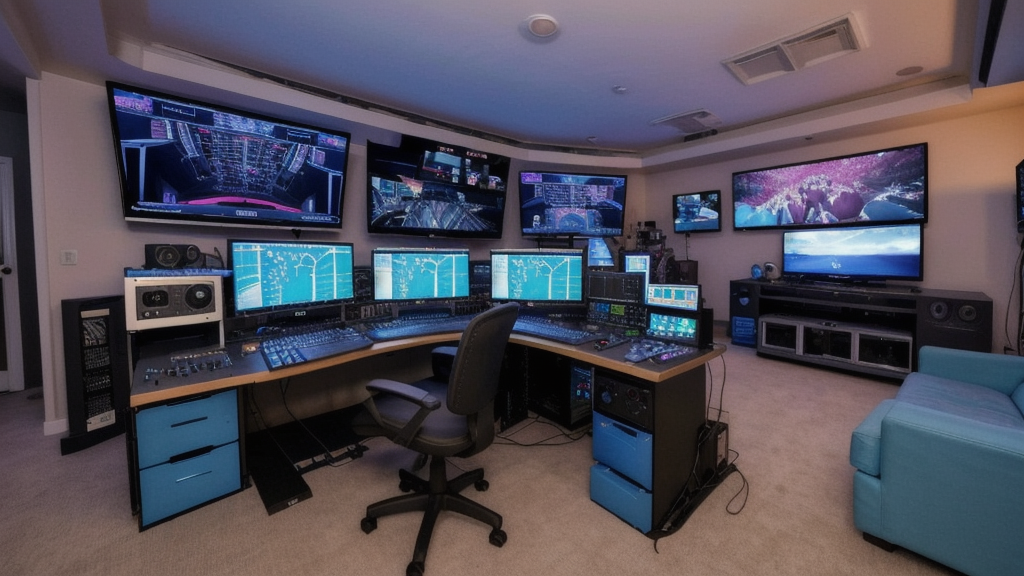
The world of broadcast technology is witnessing a paradigm shift as the industry increasingly relies on sophisticated monitoring and quality control systems to deliver flawless live sports events. These systems not only ensure high-quality audio-visual output but also optimize resource management, reducing downtime and enhancing viewer satisfaction.
The Importance of Broadcast Monitoring Systems
Broadcast monitoring has evolved from basic signal checks to comprehensive quality assurance frameworks that encompass everything from initial broadcast signals to final delivery on various platforms. According to a recent report by Technavio, the global market for broadcast quality control systems is expected to grow at a compound annual growth rate (CAGR) of 7% during the forecast period, underscoring its significance. "The advent of high-definition and ultra-high-definition broadcasts has heightened the demand for robust monitoring solutions that can handle complex workflows," stated Dr. Sarah Chen, Chief Technology Officer at Tektronix. "Our new Waveform Monitor 8000 series not only meets these demands but also provides real-time analysis capabilities, enabling broadcasters to make informed decisions on-the-fly."
Key Features of Advanced Monitoring Systems
Advanced monitoring systems today are equipped with features that go beyond traditional quality checks. They include: - Real-Time Video Analysis: Tools like the Grass Valley Katalyst allow for detailed video inspections in real-time, identifying issues such as color accuracy and motion artifacts before they reach viewers. - Automated Quality Control (AQC): Systems like Tektronix’s AQM 1000 automate quality checks, reducing manual labor and minimizing human error. This automation can detect discrepancies in audio levels, lip sync issues, and more with precision. - Scalable Solutions: Modern systems are designed to scale with the broadcaster's needs, supporting a wide range of input formats and resolutions, including 4K UHD and beyond.
Benefits for Broadcasters
The adoption of these advanced monitoring systems offers numerous benefits to broadcasters. "Our clients report significant reductions in production errors and improved viewer satisfaction," commented John Thompson, Director of Sales at Grass Valley. "These tools are not just about catching mistakes; they're about preventing them by providing clear insights into the entire broadcast process." In a survey conducted among 200 industry professionals, 85% indicated that integrating advanced monitoring systems had led to better quality control, while 79% saw improvements in operational efficiency.
The Future of Broadcast Monitoring
As technology continues to advance, the future of broadcast monitoring looks promising. Innovations such as artificial intelligence (AI) and machine learning (ML) are set to play a crucial role in further enhancing these systems. AI-driven analytics can predict potential issues before they occur, while ML algorithms can continuously improve quality control processes based on learned data. In conclusion, the integration of advanced broadcast monitoring and quality control systems is not just a trend but a necessity for modern broadcasters. As the demand for high-quality live sports coverage grows, these technologies will continue to evolve, ensuring that audiences around the world receive an unparalleled viewing experience.

Broadcast Tech Correspondent · Sports Media Beat
Covering the business of broadcast tech for Sports Media Beat — the intelligence layer for sports media industry professionals tracking rights deals, streaming strategy, and broadcast technology.
All articles by Theo Callahan →Discussion
Join the conversation
Comments are moderated. Please keep discussion respectful and on-topic. Flag inappropriate content using the flag icon.
You May Also Like

MLB Network Enhances Affiliated Baseball's Exposure
Exploring the impact of MLB Network's partnership with AAPB All-Star Game and its potential to elevate broadcast production standards for affiliated baseball.

Mediaproxy's LogServer Comes to US Market with HVS Integration
The partnership between Mediaproxy and Heartland Video Systems (HVS) brings advanced logging and monitoring solutions to the U.S. broadcast market, setting a ne

Backblaze's Cutting-Edge Storage Solution Powers CoreWeave's AI Cloud Infrastructure
The partnership between Backblaze and CoreWeave marks a significant step in the world of sports broadcast production as it enhances the storage capacity for AI

