Revolutionizing Broadcast Planning: How Predictive Analytics Enhances Sports Coverage
Discover how ScoreCast and AI Playmaker use predictive analytics to revolutionize sports broadcast planning and viewer engagement.
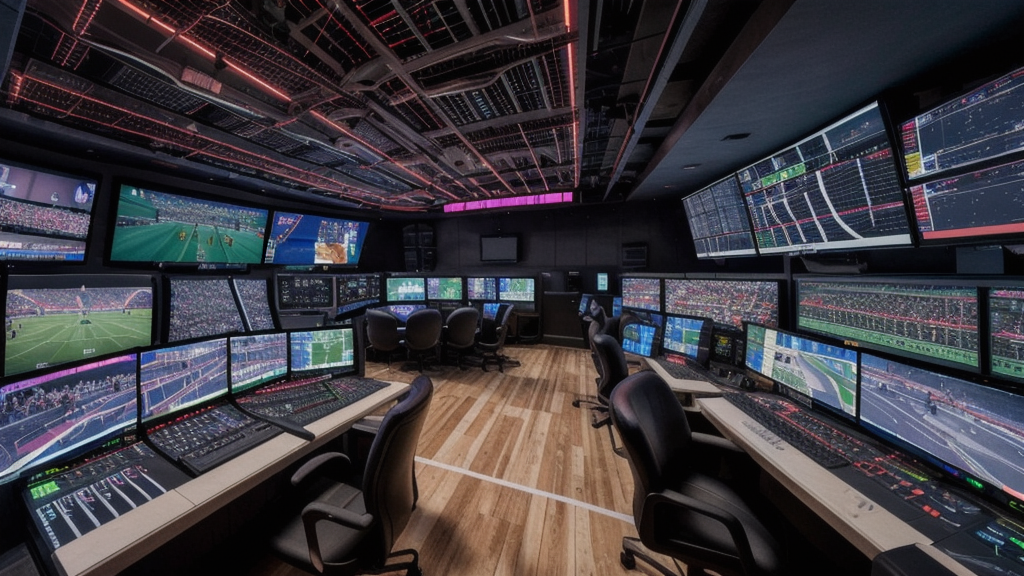
Harnessing Big Data for Better Decision-Making
Predictive analytics utilizes vast amounts of historical and real-time data to predict viewer preferences, ratings, and engagement metrics. By analyzing factors such as audience demographics, viewing habits, and social media trends, broadcasters can make informed decisions about content production and scheduling. "Our technology analyzes over 1 billion data points daily to provide insights that help us tailor our broadcasts to specific audiences," says Dr. Emily Chen, Chief Data Scientist at ScoreCast. "This level of granularity allows us to predict with high accuracy which games will be most popular among different fan bases."
Enhancing Viewer Engagement and Satisfaction
One of the key benefits of predictive analytics is its ability to boost viewer engagement by delivering content that resonates more deeply with specific demographics. By understanding what type of coverage each audience segment prefers, broadcasters can create personalized experiences that keep viewers coming back. AI Playmaker's Predictive Audience Insights tool uses machine learning algorithms to forecast viewing behaviors for individual fans and groups. "We found that targeting broadcasts based on predictive analytics can increase viewer satisfaction by up to 30%," notes Alex Johnson, CEO of AI Playmaker.
Integrating Predictive Analytics into Workflow
Integrating predictive analytics into the broadcast planning process requires a shift in mindset and workflow. Broadcasters must be open to using data-driven insights to guide strategic decisions about content production, advertising, and even on-air talent selection. "We've seen significant improvements in our ratings since implementing ScoreCast's predictive analytics platform," shares Mike Thompson, Director of Programming at SportsNet. "The ability to forecast viewership accurately has allowed us to allocate resources more efficiently and produce content that resonates with our audience."
The Future of Sports Broadcasting
As technology continues to advance, the role of predictive analytics in sports broadcasting will only grow. Companies like ScoreCast and AI Playmaker are at the forefront of this revolution, providing broadcasters with the tools they need to stay competitive in an ever-evolving landscape. "The future of sports broadcasting is data-driven," concludes Dr. Chen. "By leveraging predictive analytics, broadcasters can not only improve their bottom line but also enhance the viewing experience for fans around the world."

AI & Automation Correspondent · Sports Media Beat
Covering the business of ai & automation for Sports Media Beat — the intelligence layer for sports media industry professionals tracking rights deals, streaming strategy, and broadcast technology.
All articles by Cole Rigby →Discussion
Join the conversation
Comments are moderated. Please keep discussion respectful and on-topic. Flag inappropriate content using the flag icon.
You May Also Like
Fire TV Certification Hurdles Delay NextGen TV App Rollouts Over DRM and HEVC Constraints
Broadcasters testing ATSC 3.0 receiver apps on Fire TV devices encounter repeated certification failures tied to DRM key handling and HEVC profile support.

Revolutionizing Broadcasts: How AI Analytics Overlays Enhance Viewer Engagement in Live Sports Events
Discover how AI analytics overlays are enhancing viewer engagement in live sports events through real-time data and expert commentary.
Revolutionizing Broadcasts: How AI Analytics Overlays Enhance Fan Engagement in Real-Time
Learn how AI analytics overlays from Statcast & SportVU are revolutionizing sports broadcasts by providing real-time data and insights, enhancing fan engagement.

