Revolutionizing Broadcast Monitoring: How New Systems Enhance Quality Control
Explore how modern QC technologies from Tektronix and Snell & Wilcox are revolutionizing broadcast monitoring with AI, real-time analytics, and data-driven insights.
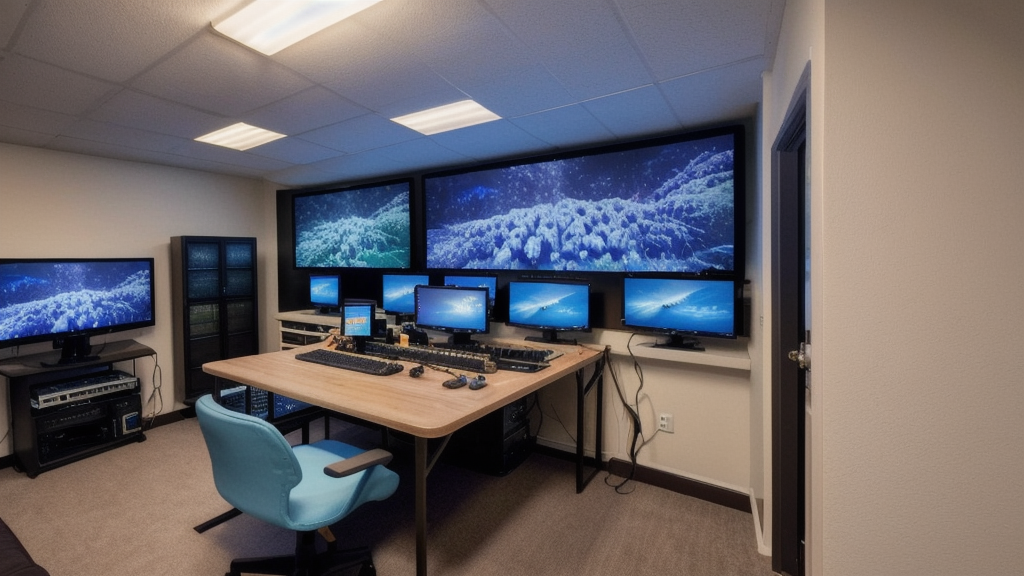
In an era where seamless broadcast delivery is non-negotiable, advancements in monitoring and quality control (QC) systems are pivotal. These tools not only ensure the highest standards of audiovisual content but also streamline operations by providing real-time analytics and automated error detection.
The Evolution of Broadcast Monitoring
Traditional broadcast monitoring relied heavily on manual checks and human oversight, which could be time-consuming and prone to human error. Modern systems like Tektronix’s QualityMaster leverage artificial intelligence (AI) and machine learning to automate these processes, offering unparalleled accuracy and efficiency. "Our AI-driven solutions analyze millions of data points in real-time, identifying issues before they affect viewers," said Dr. Emily Chen, Senior Engineer at Tektronix. "This proactive approach minimizes downtime and enhances the overall broadcast experience."
Key Features of Advanced QC Systems
Leading providers such as Snell & Wilcox offer comprehensive solutions that integrate seamlessly into existing workflows. The company’s VisionMaster system includes features like adaptive bitrate monitoring, which dynamically adjusts video quality based on network conditions to ensure optimal performance. "VisionMaster is designed to handle the complexities of modern broadcasting, providing broadcasters with the tools they need to deliver content across various platforms," explained John Carter, VP of Sales at Snell & Wilcox. "It’s about ensuring that every broadcast looks and sounds as intended, regardless of where it's being viewed."
Data-Driven Insights for Improved Performance
Beyond automation, these systems provide invaluable data-driven insights that help broadcasters make informed decisions. For instance, the Tektronix QualityMaster system can track metrics such as picture quality, audio levels, and network performance over time, allowing teams to identify trends and optimize their workflows. According to a recent study by Frost & Sullivan, the global broadcast monitoring and QC market is expected to grow at a compound annual growth rate (CAGR) of 8.2% from 2023 to 2031. This robust expansion underscores the industry’s increasing reliance on advanced technologies to meet evolving standards.
Conclusion
As broadcasting continues to evolve, so too do the tools that support it. Innovations like Tektronix’s QualityMaster and Snell & Wilcox’s VisionMaster are setting new benchmarks for broadcast monitoring and quality control. By automating processes, providing real-time analytics, and delivering data-driven insights, these systems ensure that broadcasters can deliver top-tier content efficiently and effectively.

Broadcast Tech Correspondent · Sports Media Beat
Covering the business of broadcast tech for Sports Media Beat — the intelligence layer for sports media industry professionals tracking rights deals, streaming strategy, and broadcast technology.
All articles by Derek Malone →Discussion
Join the conversation
Comments are moderated. Please keep discussion respectful and on-topic. Flag inappropriate content using the flag icon.
You May Also Like

MLB Network Enhances Affiliated Baseball's Exposure
Exploring the impact of MLB Network's partnership with AAPB All-Star Game and its potential to elevate broadcast production standards for affiliated baseball.

Mediaproxy's LogServer Comes to US Market with HVS Integration
The partnership between Mediaproxy and Heartland Video Systems (HVS) brings advanced logging and monitoring solutions to the U.S. broadcast market, setting a ne

Backblaze's Cutting-Edge Storage Solution Powers CoreWeave's AI Cloud Infrastructure
The partnership between Backblaze and CoreWeave marks a significant step in the world of sports broadcast production as it enhances the storage capacity for AI

