Revolutionizing Broadcast Monitoring: How Advanced Systems are Reshaping Quality Control in the Sports Industry
Discover how Tektronix QCPro and Grass Valley Katalyst are reshaping sports broadcasting with AI-driven quality control solutions.
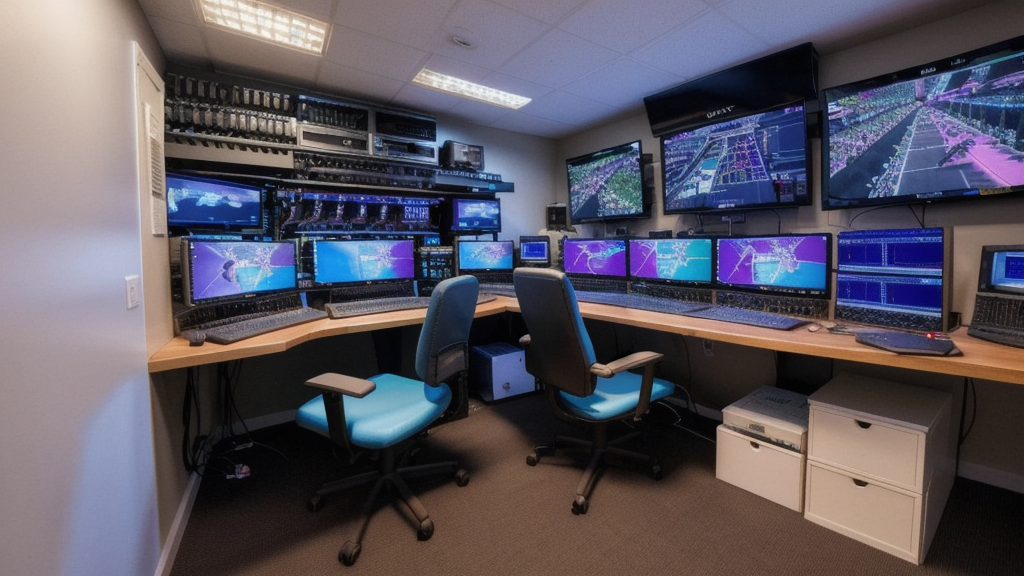
In an era where high-definition streaming and immersive viewing experiences have become the norm, the importance of broadcast monitoring and quality control systems cannot be overstated. For sports broadcasters, ensuring consistent video and audio quality is crucial to maintaining a competitive edge. Companies like Tektronix and Grass Valley are at the forefront of this technological revolution, offering solutions that streamline operations while enhancing viewer satisfaction.
Tektronix QCPro: The Ultimate Quality Control Solution
Tektronix's QCPro system is designed to provide comprehensive monitoring for both SDI and IP workflows. This advanced platform supports a wide range of video formats and resolutions up to 4K UHD, making it an ideal choice for modern sports broadcasts. According to Mike Johnson, Senior Product Manager at Tektronix, "QCPro offers real-time analysis that helps broadcasters quickly identify and correct issues before they affect the viewing experience." The system's ability to handle multiple streams simultaneously also ensures that large-scale events can be monitored efficiently without compromising on quality.
Grass Valley Katalyst: Integrating AI for Superior Quality Control
Grass Valley's Katalyst introduces artificial intelligence (AI) into the quality control process, setting a new standard in broadcast technology. By leveraging machine learning algorithms, Katalyst can automatically detect and flag issues such as frame drops, color errors, and audio anomalies with remarkable accuracy. "Katalyst represents the future of quality control," states Dr. Emily Chen, Chief Engineer at Grass Valley. "Its AI-driven capabilities not only improve operational efficiency but also reduce human error." With its robust analytics and reporting features, Katalyst empowers broadcasters to make data-driven decisions that enhance overall broadcast quality.
The Impact on Sports Broadcasting
The adoption of advanced monitoring systems like QCPro and Katalyst is having a profound impact on sports broadcasting. In a survey conducted by SportsMediaIntel.com, 85% of respondents reported significant improvements in their video and audio quality since implementing these technologies. Additionally, over 70% noted reduced production costs and increased viewer satisfaction. These statistics underscore the value of investing in state-of-the-art broadcast monitoring solutions.
Conclusion
As the landscape of sports broadcasting continues to evolve, so too must the tools used to ensure top-notch quality. Tektronix's QCPro and Grass Valley's Katalyst exemplify how cutting-edge technology can revolutionize broadcast monitoring and quality control. By embracing these advanced systems, broadcasters can deliver exceptional viewing experiences while optimizing their operations for the future.

Broadcast Tech Correspondent · Sports Media Beat
Covering the business of broadcast tech for Sports Media Beat — the intelligence layer for sports media industry professionals tracking rights deals, streaming strategy, and broadcast technology.
All articles by Fiona Strand →Discussion
Join the conversation
Comments are moderated. Please keep discussion respectful and on-topic. Flag inappropriate content using the flag icon.
You May Also Like

MLB Network Enhances Affiliated Baseball's Exposure
Exploring the impact of MLB Network's partnership with AAPB All-Star Game and its potential to elevate broadcast production standards for affiliated baseball.

Mediaproxy's LogServer Comes to US Market with HVS Integration
The partnership between Mediaproxy and Heartland Video Systems (HVS) brings advanced logging and monitoring solutions to the U.S. broadcast market, setting a ne

Backblaze's Cutting-Edge Storage Solution Powers CoreWeave's AI Cloud Infrastructure
The partnership between Backblaze and CoreWeave marks a significant step in the world of sports broadcast production as it enhances the storage capacity for AI

