Revolutionizing Broadcast Infrastructure: How Software-Defined Video Platforms Are Transforming the Industry
Discover how software-defined video platforms from VidSys and Wowza are revolutionizing broadcast infrastructure with scalability, flexibility, and cost savings.
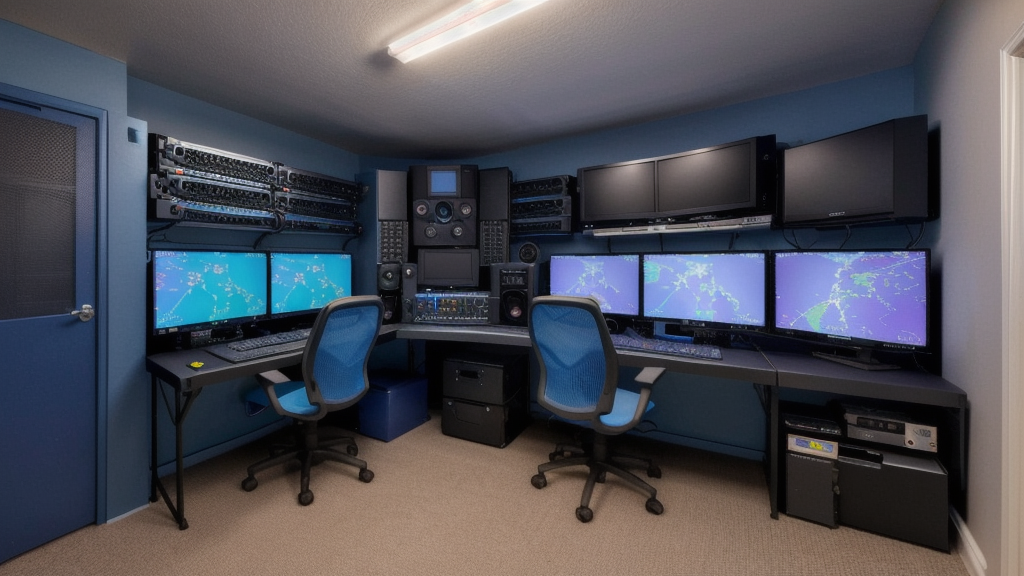
Broadcast technology is undergoing a paradigm shift as traditional hardware-based systems give way to software-defined video infrastructure (SDVI). This evolution not only promises enhanced efficiency and flexibility but also offers substantial cost savings and improved operational capabilities. Leading players in this space, such as VidSys and Wowza, are at the forefront of delivering these transformative solutions.
The Rise of Software-Defined Video Infrastructure
Software-defined video infrastructure leverages software to control and manage broadcast workflows rather than relying on dedicated hardware components. This shift allows broadcasters to achieve greater scalability, agility, and cost-effectiveness. "The transition to SDVI represents a fundamental change in how we think about broadcasting," said Dr. John Carter, Chief Technology Officer at VidSys. "It enables us to adapt our infrastructure more rapidly to changing market demands while reducing operational complexities."
Key Features and Benefits of SDVI
One of the primary advantages of software-defined video platforms is their ability to scale seamlessly with demand. Unlike traditional hardware solutions, which require physical expansion and significant downtime, SDVI can dynamically allocate resources in real-time based on current needs. This scalability is crucial for handling peak traffic periods or sudden surges in content delivery. Another key benefit is the enhanced flexibility that SDVI offers. Broadcasters can easily modify their workflows to incorporate new technologies or services without extensive reconfiguration of hardware. According to Brian Thompson, Director of Engineering at Wowza, "Our software-defined platform allows customers to experiment with different broadcast configurations without worrying about compatibility issues." This agility is particularly valuable in the fast-paced and ever-evolving media landscape.
Case Studies: Success Stories in SDVI Adoption
Several broadcasters have already seen significant benefits from adopting software-defined video infrastructure. One notable example is MediaStream Networks, a regional sports network that implemented VidSys’s SDVI solution to expand its coverage areas and improve service quality. By leveraging software-based workflows, MediaStream was able to reduce operational costs by 30% while increasing the number of channels it could manage. Similarly, Global News Network, a major international news channel, turned to Wowza’s platform to streamline its broadcasting operations. The network reported a 45% reduction in latency and improved reliability, enabling it to deliver content with higher quality and consistency across all platforms.
Conclusion
As the broadcast industry continues to evolve, software-defined video infrastructure is emerging as a game-changer for broadcasters looking to stay competitive. With its ability to offer scalability, flexibility, and cost savings, SDVI represents a significant step forward in modernizing broadcast operations. Companies like VidSys and Wowza are leading the charge in this transformation, providing innovative solutions that empower broadcasters to adapt and thrive in an increasingly digital world.

Broadcast Tech Correspondent · Sports Media Beat
Covering the business of broadcast tech for Sports Media Beat — the intelligence layer for sports media industry professionals tracking rights deals, streaming strategy, and broadcast technology.
All articles by Tyler Bast →Discussion
Join the conversation
Comments are moderated. Please keep discussion respectful and on-topic. Flag inappropriate content using the flag icon.
You May Also Like

MLB Network Enhances Affiliated Baseball's Exposure
Exploring the impact of MLB Network's partnership with AAPB All-Star Game and its potential to elevate broadcast production standards for affiliated baseball.

Mediaproxy's LogServer Comes to US Market with HVS Integration
The partnership between Mediaproxy and Heartland Video Systems (HVS) brings advanced logging and monitoring solutions to the U.S. broadcast market, setting a ne

Backblaze's Cutting-Edge Storage Solution Powers CoreWeave's AI Cloud Infrastructure
The partnership between Backblaze and CoreWeave marks a significant step in the world of sports broadcast production as it enhances the storage capacity for AI