Revolutionizing Broadcast: How Software-Defined Video Infrastructure is Shaping the Future of Media Delivery
Discover how SDVI is reshaping media delivery with Telestream's CloudLive and Wowza Streaming Engine, enhancing scalability and security in the broadcast industry.
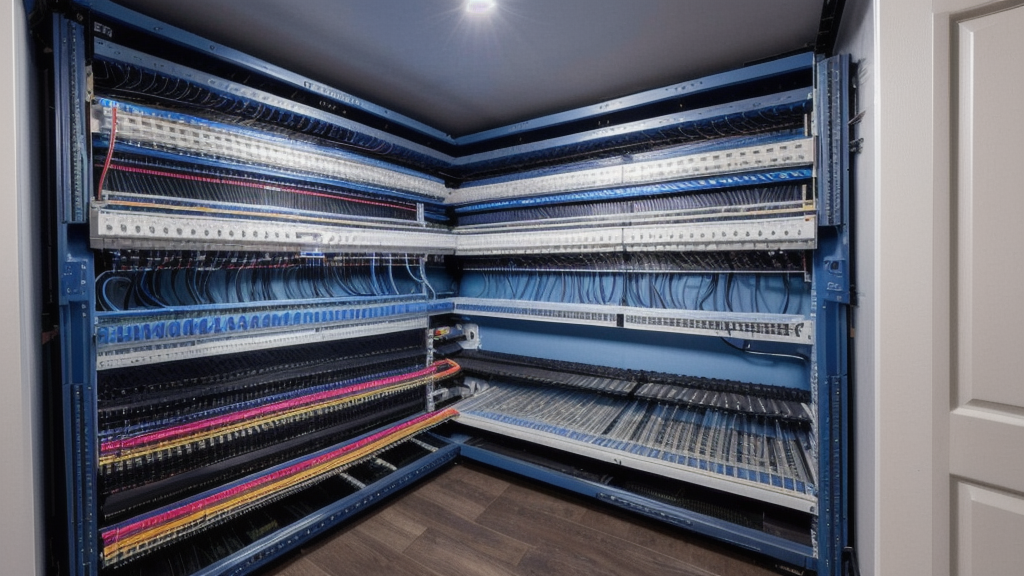
The integration of software-defined video infrastructure (SDVI) is transforming the broadcast industry, offering unprecedented flexibility and scalability. Companies like Telestream and Wowza are leading the charge with innovative solutions that redefine content delivery.
The Rise of SDVI: Flexibility and Efficiency in One Package
Software-Defined Video Infrastructure leverages virtualization to separate media functions from hardware dependencies, enabling broadcasters to manage video workflows more efficiently. According to a report by ABI Research, the global software-defined networking market is expected to reach $31 billion by 2027, underscoring its growing importance. "SDVI allows us to scale our operations seamlessly and adapt to changing market demands," said Sarah Chen, CTO of Telestream. "This means faster time-to-market for new services and enhanced user experiences without the need for extensive hardware upgrades."
Key Players in the SDVI Market
Telestream has introduced its CloudLive platform, which enables broadcasters to deliver live video streams with minimal latency directly from their content management systems. The platform supports a wide range of codecs including H.264 and HEVC, ensuring compatibility across various devices and platforms. Wowza, another prominent player, offers Wowza Streaming Engine 5, which provides robust support for low-latency streaming and advanced adaptive bitrate streaming technologies. This solution can handle up to 10 million concurrent viewers, making it suitable for large-scale events such as sports broadcasts or award shows.
Advantages of SDVI in Broadcast
One of the primary benefits of SDVI is its ability to reduce operational costs through resource optimization. By virtualizing video processing tasks, broadcasters can utilize existing hardware more efficiently, thereby minimizing capital expenditures. Additionally, SDVI enhances security by centralizing control and management of video workflows. "Security is paramount in today’s digital landscape," commented Mike Thompson, senior engineer at Wowza. "Our solutions offer robust encryption features and access controls that protect sensitive content from unauthorized access."
Future Outlook: Embracing the Transformation
As technology continues to evolve, SDVI will play a pivotal role in shaping the future of media delivery. With its ability to support emerging trends like 5G and virtual reality (VR), broadcasters are well-positioned to meet the demands of next-generation viewers. The integration of AI and machine learning into SDVI platforms will further enhance automation capabilities, enabling more intelligent content management and distribution strategies. This convergence will not only streamline operations but also drive innovation in the broadcast sector.
Conclusion
Software-Defined Video Infrastructure is revolutionizing the way broadcasters deliver content. By offering unparalleled flexibility, scalability, and security, SDVI empowers media organizations to stay ahead of industry trends and provide exceptional user experiences. As we look toward the future, it’s clear that SDVI will continue to be a driving force behind the transformation of the broadcast landscape.

Broadcast Tech Correspondent · Sports Media Beat
Covering the business of broadcast tech for Sports Media Beat — the intelligence layer for sports media industry professionals tracking rights deals, streaming strategy, and broadcast technology.
All articles by Theo Callahan →Discussion
Join the conversation
Comments are moderated. Please keep discussion respectful and on-topic. Flag inappropriate content using the flag icon.
You May Also Like

MLB Network Enhances Affiliated Baseball's Exposure
Exploring the impact of MLB Network's partnership with AAPB All-Star Game and its potential to elevate broadcast production standards for affiliated baseball.

Mediaproxy's LogServer Comes to US Market with HVS Integration
The partnership between Mediaproxy and Heartland Video Systems (HVS) brings advanced logging and monitoring solutions to the U.S. broadcast market, setting a ne

Backblaze's Cutting-Edge Storage Solution Powers CoreWeave's AI Cloud Infrastructure
The partnership between Backblaze and CoreWeave marks a significant step in the world of sports broadcast production as it enhances the storage capacity for AI

