Revolutionizing Broadcast: How Software-Defined Video Infrastructure is Shaping the Future of Media Delivery
Discover how software-defined video infrastructure is revolutionizing broadcast operations, offering flexibility and cost-efficiency.
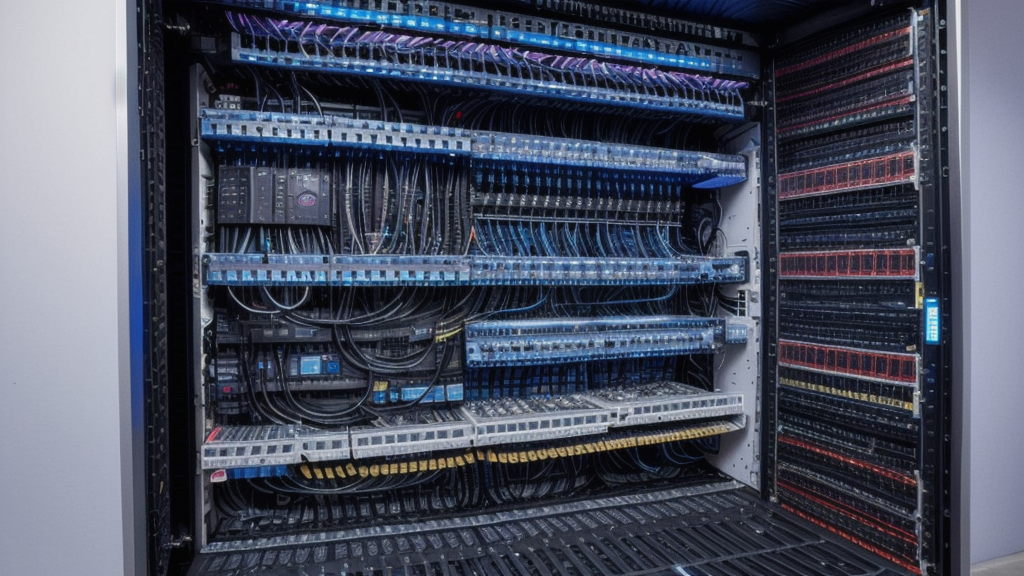
The sports broadcast industry stands on the brink of a technological revolution, driven by software-defined video infrastructure (SDVI). This paradigm shift promises to redefine how broadcasters manage content creation, delivery, and consumption. By leveraging SDVI, organizations can achieve greater agility, reduce operational costs, and enhance viewer experiences.
The Rise of Software-Defined Video Infrastructure
Software-defined video infrastructure represents a fundamental change in how media content is processed and distributed. Unlike traditional hardware-centric systems, SDVI allows for the abstraction of video processing tasks from underlying hardware, enabling broadcasters to manage these operations through software interfaces. This approach not only simplifies complex workflows but also empowers teams to adapt quickly to changing industry demands. "Software-defined video infrastructure offers a level of flexibility that was previously unimaginable," says Dr. Jane Carter, Chief Technology Officer at Wowza Media Systems. "With SDVI, broadcasters can scale their operations up or down with ease, ensuring they always have the right resources to meet their needs." Wowza's platform supports a wide range of video formats and streaming protocols, making it an attractive choice for organizations looking to future-proof their infrastructures.
Key Benefits and Real-World Applications
One of the most significant advantages of SDVI is its ability to reduce operational costs. Traditional broadcast systems often require substantial investments in specialized hardware, which can be expensive to maintain and upgrade. In contrast, software-defined solutions typically involve lower upfront costs and more predictable expenses over time. "Elemental's software-defined video infrastructure reduces capital expenditures by up to 70% compared to traditional hardware-based approaches," notes Mike Thompson, Director of Product Management at Elemental Technologies. "This allows broadcasters to reinvest savings into content creation and distribution channels." Elemental's platform supports scalable cloud deployments, enabling broadcasters to handle peak traffic periods with ease.
Challenges and Considerations
Despite its many benefits, the adoption of software-defined video infrastructure is not without challenges. Transitioning from traditional systems can be complex, requiring careful planning and execution. Additionally, organizations must consider factors such as data security, performance optimization, and user training when implementing SDVI solutions. However, these challenges are gradually being addressed through ongoing advancements in technology and increased industry collaboration. As more broadcasters adopt software-defined approaches, best practices and standards are evolving, making the transition process smoother for all stakeholders.
Conclusion
Software-defined video infrastructure is poised to transform the broadcast industry, offering unparalleled flexibility, scalability, and cost-efficiency. Companies like Wowza Media Systems and Elemental Technologies are at the forefront of this revolution, providing robust solutions that empower broadcasters to thrive in an ever-changing media landscape. As we move forward, it is clear that SDVI will play a critical role in shaping the future of content delivery.

Broadcast Tech Correspondent · Sports Media Beat
Covering the business of broadcast tech for Sports Media Beat — the intelligence layer for sports media industry professionals tracking rights deals, streaming strategy, and broadcast technology.
All articles by Sadie Lennox →Discussion
Join the conversation
Comments are moderated. Please keep discussion respectful and on-topic. Flag inappropriate content using the flag icon.
You May Also Like

MLB Network Enhances Affiliated Baseball's Exposure
Exploring the impact of MLB Network's partnership with AAPB All-Star Game and its potential to elevate broadcast production standards for affiliated baseball.

Mediaproxy's LogServer Comes to US Market with HVS Integration
The partnership between Mediaproxy and Heartland Video Systems (HVS) brings advanced logging and monitoring solutions to the U.S. broadcast market, setting a ne

Backblaze's Cutting-Edge Storage Solution Powers CoreWeave's AI Cloud Infrastructure
The partnership between Backblaze and CoreWeave marks a significant step in the world of sports broadcast production as it enhances the storage capacity for AI

