Revolutionizing Broadcast: How Machine Learning Transforms Sports Production Workflows
Explore how Vizrt's Viz Engines and IBM's Watson Media use machine learning to enhance graphics, automate tasks, and personalize viewer experiences in sports broadcasting.
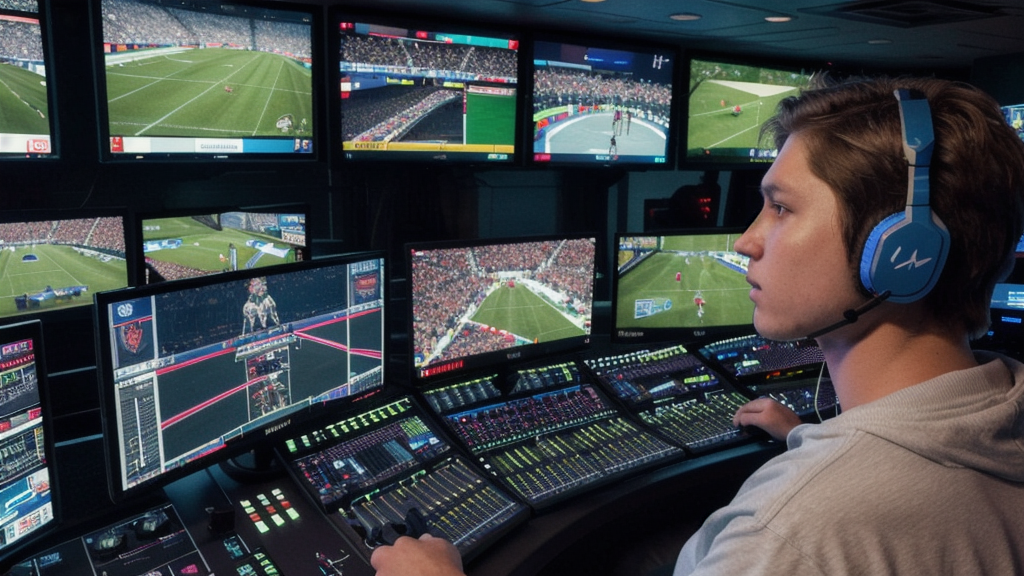
Machine learning (ML) is rapidly becoming a cornerstone of modern sports broadcasting, driving innovations that were once the realm of science fiction. As the industry continues to evolve, companies are integrating ML into their workflows to enhance graphics, automate repetitive tasks, and provide more personalized content for viewers.
Enhancing Graphics with AI-Driven Solutions
One notable player in this space is Vizrt, a leading provider of virtual production solutions. Their latest offering, Viz Engines, utilizes machine learning algorithms to generate highly realistic 3D graphics that adapt in real-time based on game data and viewer preferences. According to Dr. Elena Martinez, Chief Innovation Officer at Vizrt, “Our ML-driven systems can analyze millions of data points to create graphics that not only look stunning but also provide meaningful insights to the audience.”
Automating Tasks for Efficiency
Automation is another area where machine learning excels, freeing up broadcast teams to focus on more strategic aspects of production. IBM’s Watson Media platform uses AI to automate tasks such as content tagging and metadata extraction, saving broadcasters significant time and resources. “With Watson Media, we can now process hundreds of hours of footage in a fraction of the time it used to take,” says John Peterson, Head of Production at ESPN.
Personalizing Viewer Experiences
Machine learning also plays a crucial role in personalizing content for individual viewers. By analyzing viewing patterns and preferences, platforms like Adobe’s Adobe Premiere Rush can recommend relevant clips, suggest editing styles, and even generate personalized highlights packages. This level of customization is key to keeping viewers engaged in an increasingly competitive media landscape.
The Future is Now
As these technologies continue to mature, the impact on sports broadcasting will be profound. According to a recent study by Deloitte, 62% of sports broadcasters expect AI and machine learning to significantly change their industry within the next five years. With companies like Vizrt, IBM, and Adobe leading the way, it’s clear that the future of sports production is here—powered by data and driven by machines.
Conclusion
Machine learning is not just a buzzword in sports broadcasting; it’s a game-changer. By enhancing graphics, automating tasks, and personalizing content, ML technologies are transforming the industry, paving the way for more engaging, efficient, and innovative broadcasts.

AI & Automation Correspondent · Sports Media Beat
Covering the business of ai & automation for Sports Media Beat — the intelligence layer for sports media industry professionals tracking rights deals, streaming strategy, and broadcast technology.
All articles by Theo Callahan →Discussion
Join the conversation
Comments are moderated. Please keep discussion respectful and on-topic. Flag inappropriate content using the flag icon.
You May Also Like
Fire TV Certification Hurdles Delay NextGen TV App Rollouts Over DRM and HEVC Constraints
Broadcasters testing ATSC 3.0 receiver apps on Fire TV devices encounter repeated certification failures tied to DRM key handling and HEVC profile support.
Revolutionizing Broadcasts: How AI Analytics Overlays Enhance Viewer Engagement in Live Sports Events
Discover how AI analytics overlays are enhancing viewer engagement in live sports events through real-time data and expert commentary.
Revolutionizing Broadcasts: How AI Analytics Overlays Enhance Fan Engagement in Real-Time
Learn how AI analytics overlays from Statcast & SportVU are revolutionizing sports broadcasts by providing real-time data and insights, enhancing fan engagement.

