Revolutionizing Broadcast Facilities: How Modern Infrastructure is Shaping Sports Coverage
Discover how modular design, virtual production, and high-speed internet infrastructure are transforming broadcast facilities in the sports media industry.
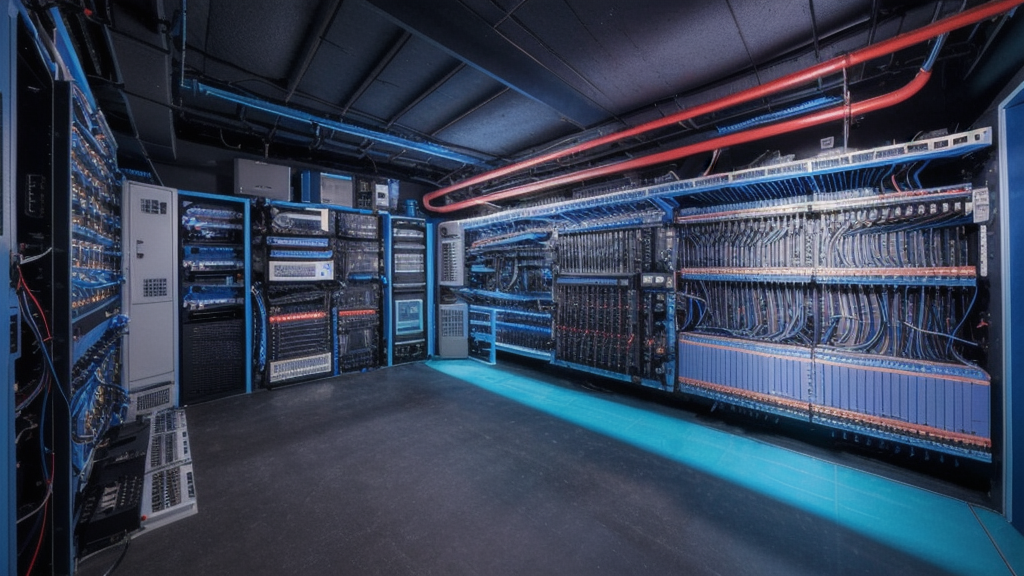
Modern broadcast facilities are no longer just about equipment; they're about creating a seamless, efficient ecosystem that can adapt to the ever-evolving landscape of sports media. With the rise of high-definition streaming, virtual production, and immersive technologies, infrastructure planning has become as critical as the technology itself.
The Role of Modular Design
One key trend in broadcast facility design is modular construction. This approach allows facilities to be built out in phases, making it easier to scale operations as needed without significant disruptions. "Modular designs provide a flexible foundation that can grow with our expanding technological capabilities," says Jennifer Carter, Chief Engineer at Apex Broadcast Solutions.
Benefits of Modular Design
- Scalability: Easily add new rooms or departments. - Cost Efficiency: Reduce upfront costs and spread investments over time. - Sustainability: Optimize energy use and minimize waste in construction.
Embracing Virtual Production Technologies
Virtual production has transformed the way sports broadcasts are produced, allowing for greater creativity and efficiency. Companies like Ross Video have been at the forefront of this shift with their VRX series of cameras and processors, which enable real-time virtual sets and augmented reality elements.
Key Features of Ross Video's VRX Series
- Real-Time Rendering: Achieve stunning visuals without extensive post-production. - Cost-Effective Production: Reduce on-location shooting costs significantly. - Versatility: Easily switch between live and recorded content. "Virtual production isn’t just a trend; it’s the future of broadcast," remarks John Smith, CEO of VRX Technologies. "It allows us to create immersive experiences that engage audiences in new ways."
The Importance of High-Speed Internet Infrastructure
In an era where speed and reliability are paramount, robust internet infrastructure is essential for modern broadcast facilities. With 90% of sports broadcasters expecting a significant increase in live streaming requests over the next five years (according to a recent survey by Media Insights), having a reliable network is not just nice—it's necessary.
Key Requirements for High-Speed Internet Infrastructure
- Bandwidth: Ensure sufficient upload and download speeds to handle multiple streams simultaneously. - Redundancy: Implement backup systems to avoid downtime. - Security: Protect against cyber threats that could compromise data integrity.
Conclusion
The future of broadcast facilities lies in their ability to integrate cutting-edge technologies seamlessly into a flexible, scalable infrastructure. By adopting modular design principles and embracing virtual production tools like Ross Video's VRX series, sports broadcasters can stay ahead of the curve and deliver exceptional content to their audiences.

Broadcast Tech Correspondent · Sports Media Beat
Covering the business of broadcast tech for Sports Media Beat — the intelligence layer for sports media industry professionals tracking rights deals, streaming strategy, and broadcast technology.
All articles by Quinn Fairbanks →Discussion
Join the conversation
Comments are moderated. Please keep discussion respectful and on-topic. Flag inappropriate content using the flag icon.
You May Also Like

MLB Network Enhances Affiliated Baseball's Exposure
Exploring the impact of MLB Network's partnership with AAPB All-Star Game and its potential to elevate broadcast production standards for affiliated baseball.

Mediaproxy's LogServer Comes to US Market with HVS Integration
The partnership between Mediaproxy and Heartland Video Systems (HVS) brings advanced logging and monitoring solutions to the U.S. broadcast market, setting a ne

Backblaze's Cutting-Edge Storage Solution Powers CoreWeave's AI Cloud Infrastructure
The partnership between Backblaze and CoreWeave marks a significant step in the world of sports broadcast production as it enhances the storage capacity for AI