Revolutionizing Broadcast Facilities: How Modern Infrastructure Design Enhances Performance
Discover how advanced infrastructure planning is revolutionizing broadcast facilities with scalable, efficient, and sustainable solutions.
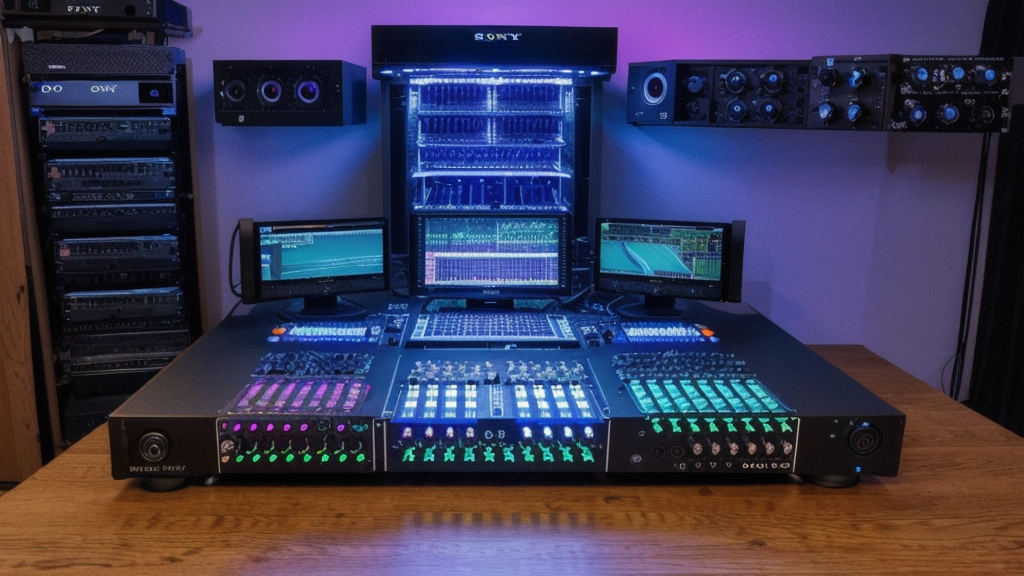
The Importance of Scalable Infrastructure
Broadcasting events require a balance between performance and flexibility. According to Mike Johnson, Chief Technology Officer at Quantum Broadcast, “Scalability is key. Our new facility design allows us to integrate additional technology seamlessly as demand grows.” This philosophy ensures that facilities can adapt to the evolving nature of sports broadcasting without costly overhauls.
Advanced Networking Solutions
One of the critical components of any modern broadcast facility is its networking infrastructure. Synergy Systems has developed a proprietary network solution called HyperLink 300, which supports up to 300Gbps data transfer rates. This technology enables the seamless handling of large volumes of HD and UHD content, ensuring that broadcasters can stream high-quality events without latency issues.
Embracing Cloud Technology
The cloud is transforming how broadcast facilities operate by offering scalable storage solutions and on-demand access to advanced processing capabilities. “Cloud integration allows us to manage resources more efficiently,” states Lisa Chen, Head of Engineering at Synergy Systems. By leveraging platforms like AWS Media Services, broadcasters can reduce costs while enhancing their ability to deliver content across multiple devices.
Sustainability in Broadcast Infrastructure Design
In addition to performance and scalability, modern broadcast facilities must consider sustainability. Quantum Broadcast’s EcoGreen design reduces energy consumption by up to 25% compared to traditional facilities, aligning with industry trends towards environmentally responsible operations.
Conclusion
The future of broadcast facilities is being shaped by advanced infrastructure planning that prioritizes scalability, efficiency, and sustainability. Companies like Quantum Broadcast and Synergy Systems are leading the charge in this transformation, offering cutting-edge solutions that meet current demands while preparing for the future. As technology continues to evolve, these innovations will be essential for ensuring the longevity and success of broadcast operations.

Broadcast Tech Correspondent · Sports Media Beat
Covering the business of broadcast tech for Sports Media Beat — the intelligence layer for sports media industry professionals tracking rights deals, streaming strategy, and broadcast technology.
All articles by Marcus Webb →Discussion
Join the conversation
Comments are moderated. Please keep discussion respectful and on-topic. Flag inappropriate content using the flag icon.
You May Also Like

MLB Network Enhances Affiliated Baseball's Exposure
Exploring the impact of MLB Network's partnership with AAPB All-Star Game and its potential to elevate broadcast production standards for affiliated baseball.

Mediaproxy's LogServer Comes to US Market with HVS Integration
The partnership between Mediaproxy and Heartland Video Systems (HVS) brings advanced logging and monitoring solutions to the U.S. broadcast market, setting a ne

Backblaze's Cutting-Edge Storage Solution Powers CoreWeave's AI Cloud Infrastructure
The partnership between Backblaze and CoreWeave marks a significant step in the world of sports broadcast production as it enhances the storage capacity for AI

