Revolutionizing Broadcast Facilities: Designing for the Future of Sports Media
Learn about the critical considerations and innovative technologies shaping the future of broadcast facility design in sports media.
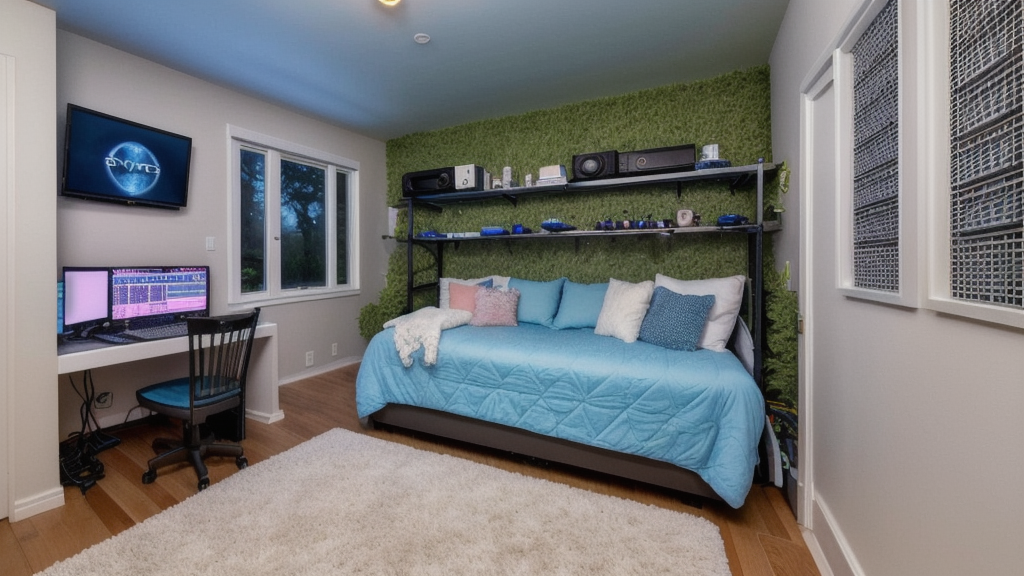
Broadcast facilities are no longer just buildings; they are technological powerhouses that serve as the backbone of sports media operations. As technology continues to evolve, designing modern broadcast centers has become a complex yet essential endeavor to meet the demands of today's dynamic sports landscape.
The Importance of Forward-Thinking Design
In an era where viewers expect seamless access to content across multiple platforms, broadcast facilities must be designed with flexibility and scalability in mind. According to Sarah Thompson, Chief Engineer at Nexus Broadcast Solutions, “The key to a successful broadcast facility is its ability to adapt to new technologies while maintaining efficiency.” With the integration of AI-driven analytics, cloud-based workflows, and immersive experiences like VR and AR, broadcast centers are becoming the nerve center of sports media production.
Key Technologies Shaping Facility Design
One technology that has transformed broadcast facilities is IP-based infrastructure. Companies like Crestron and AMX have developed sophisticated control systems that allow broadcasters to manage complex audio-visual setups with ease. These systems not only enhance operational efficiency but also provide a superior user experience for both staff and viewers. Another critical component in modern broadcast facility design is the inclusion of robust data centers. With the rise of cloud-based workflows, reliable data storage and processing capabilities are essential. For example, AWS offers scalable solutions that can handle large volumes of data, ensuring that broadcasters have access to their content whenever and wherever they need it.
Sustainability and Energy Efficiency
As environmental concerns grow, sustainability has become a key consideration in broadcast facility design. Incorporating energy-efficient technologies not only helps reduce operational costs but also supports the industry's commitment to green practices. “At Nexus Broadcast Solutions, we prioritize sustainable solutions such as LED lighting and efficient cooling systems,” Thompson elaborates. These initiatives have led to significant reductions in energy consumption, contributing to a more environmentally friendly broadcast environment.
Future Trends and Innovations
Looking ahead, the continued integration of emerging technologies will continue to drive broadcast facility design trends. Virtual production stages, 5G connectivity, and advanced analytics are just a few examples of innovations that will shape future facilities. By staying at the forefront of these developments, broadcasters can ensure their facilities remain cutting-edge and capable of delivering exceptional content. In conclusion, designing modern broadcast facilities is a multifaceted process that requires careful planning and consideration of various technological advancements. By incorporating forward-thinking design principles, key technologies, and sustainable practices, broadcast centers can position themselves for success in the rapidly evolving sports media landscape.

Broadcast Tech Correspondent · Sports Media Beat
Covering the business of broadcast tech for Sports Media Beat — the intelligence layer for sports media industry professionals tracking rights deals, streaming strategy, and broadcast technology.
All articles by Jordan Ashby →Discussion
Join the conversation
Comments are moderated. Please keep discussion respectful and on-topic. Flag inappropriate content using the flag icon.
You May Also Like
MLB Network Enhances Affiliated Baseball's Exposure
Exploring the impact of MLB Network's partnership with AAPB All-Star Game and its potential to elevate broadcast production standards for affiliated baseball.

Mediaproxy's LogServer Comes to US Market with HVS Integration
The partnership between Mediaproxy and Heartland Video Systems (HVS) brings advanced logging and monitoring solutions to the U.S. broadcast market, setting a ne

Backblaze's Cutting-Edge Storage Solution Powers CoreWeave's AI Cloud Infrastructure
The partnership between Backblaze and CoreWeave marks a significant step in the world of sports broadcast production as it enhances the storage capacity for AI