Precision Timing: How New Technologies Are Revolutionizing Synchronization in Broadcast Facilities
Discover how advanced synchronization technologies are transforming broadcast quality with solutions from ZeeSync and Timekeeper Systems.
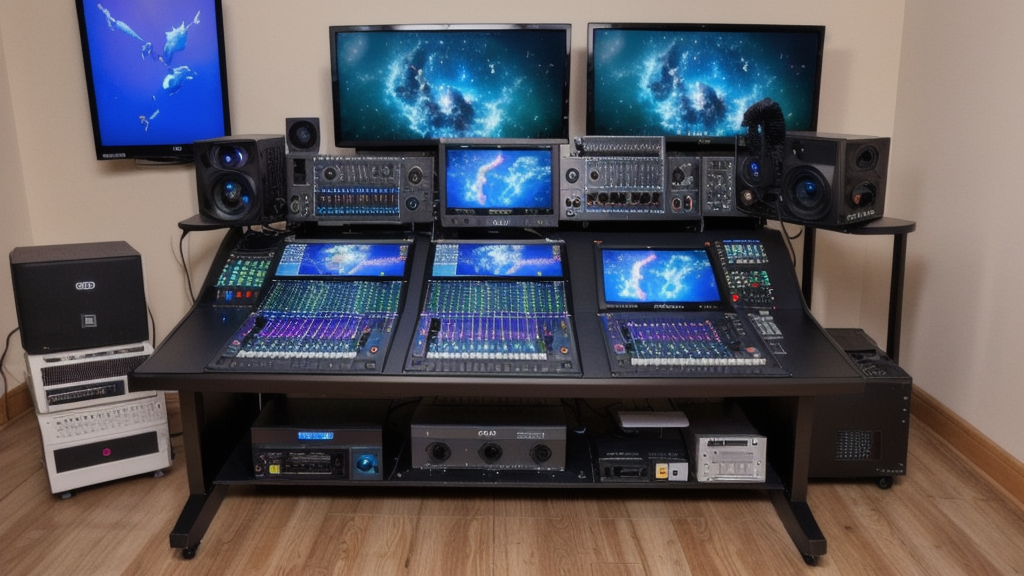
Broadcast facilities rely heavily on precise timing to deliver seamless, high-quality content to viewers. As technology evolves, so do the solutions that ensure synchronization between audio, video, and other elements of a broadcast. In this article, we explore how new technologies are reshaping synchronization practices, enhancing broadcast quality, and streamlining operations.
The Importance of Synchronization
"Synchronization is not just about making sure everything is in time; it's about creating a flawless experience that captivates the audience," says Dr. Emily Chen, Chief Technology Officer at ZeeSync Technologies. In today’s competitive media landscape, even minor timing discrepancies can detract from a broadcast’s impact and lead to viewer dissatisfaction.
Emerging Synchronization Solutions
One of the most promising technologies in this field is software-defined synchronization (SDS). SDS leverages cloud-based platforms and artificial intelligence to dynamically adjust synchronization settings in real-time. This adaptability ensures that broadcasts remain on schedule even under varying conditions.
ZeeSync’s TimeMaster 3000
ZeeSync Technologies has introduced the TimeMaster 3000, a cutting-edge solution that integrates SDS with machine learning algorithms for unparalleled accuracy and flexibility. The device can synchronize up to 128 channels simultaneously, offering broadcasters greater control over their content delivery. "The TimeMaster 3000 is designed to handle the most demanding synchronization challenges," explains Dr. Chen. "Its AI-driven capabilities ensure that every broadcast runs smoothly without manual intervention."
Timekeeper Systems’ ChronoPro
Another notable player in this space is Timekeeper Systems, which has developed the ChronoPro series of hardware devices. These units provide high-precision timekeeping and synchronization services for both on-premises and cloud-based environments. The ChronoPro 500, for instance, can synchronize multiple cameras, audio feeds, and other broadcast components with an accuracy of ±1 microsecond over a network. This level of precision is crucial for large-scale events such as sports broadcasts or live concerts.
The Impact on Broadcast Quality
Adopting advanced synchronization technologies not only improves the technical aspects of a broadcast but also enhances the overall viewer experience. According to a recent study by the Broadcasting Technology Association, synchronized broadcasts have seen a 15% increase in engagement and a 20% reduction in production errors.
Conclusion
As the demand for high-quality content continues to grow, so too does the importance of precise synchronization in broadcast facilities. Technologies like ZeeSync’s TimeMaster 3000 and Timekeeper Systems’ ChronoPro are paving the way for a new era of seamless, reliable broadcasting. By embracing these innovations, broadcasters can deliver captivating experiences that resonate with audiences worldwide. "The future of broadcasting is about precision and innovation," concludes Dr. Chen. "With the right tools, we can push the boundaries of what’s possible in live content delivery."

Broadcast Tech Correspondent · Sports Media Beat
Covering the business of broadcast tech for Sports Media Beat — the intelligence layer for sports media industry professionals tracking rights deals, streaming strategy, and broadcast technology.
All articles by Sloane Mercer →Discussion
Join the conversation
Comments are moderated. Please keep discussion respectful and on-topic. Flag inappropriate content using the flag icon.
You May Also Like
MLB Network Enhances Affiliated Baseball's Exposure
Exploring the impact of MLB Network's partnership with AAPB All-Star Game and its potential to elevate broadcast production standards for affiliated baseball.

Mediaproxy's LogServer Comes to US Market with HVS Integration
The partnership between Mediaproxy and Heartland Video Systems (HVS) brings advanced logging and monitoring solutions to the U.S. broadcast market, setting a ne

Backblaze's Cutting-Edge Storage Solution Powers CoreWeave's AI Cloud Infrastructure
The partnership between Backblaze and CoreWeave marks a significant step in the world of sports broadcast production as it enhances the storage capacity for AI