NFL Teams Leverage AI for Real-Time Game Strategy Analysis
NFL teams are beginning to integrate artificial intelligence (AI) into their real-time game strategy analysis, a move that marks a significant shift in how they prepare and make decisions during games. The Houston Texans recently partnered
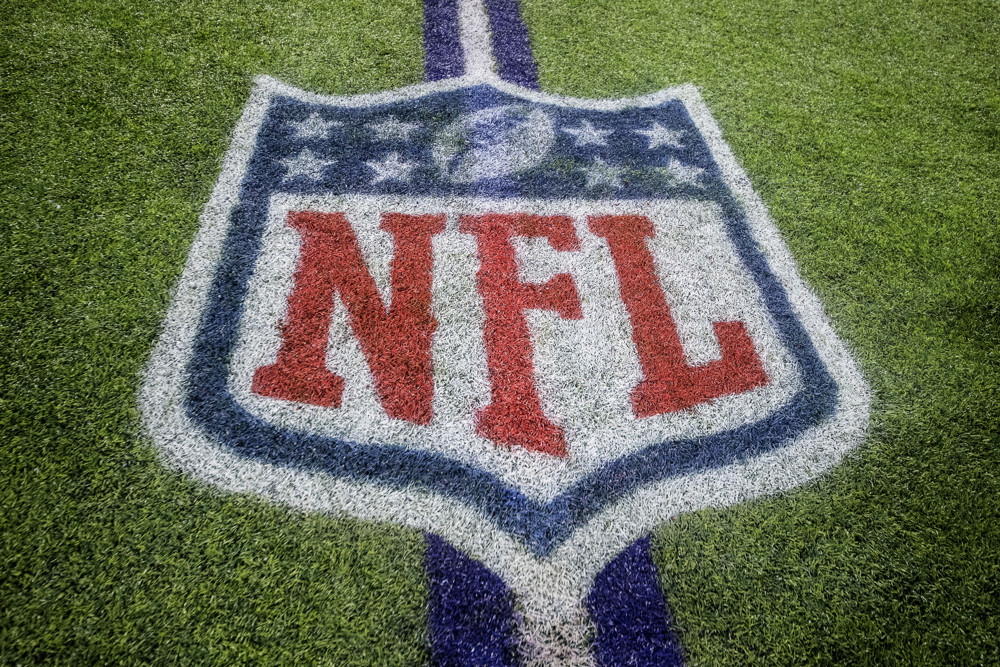
NFL teams are beginning to integrate artificial intelligence (AI) into their real-time game strategy analysis, a move that marks a significant shift in how they prepare and make decisions during games. The Houston Texans recently partnered with AI firm Quantum Analytics for its new automated play-calling system, which aims to provide coaches and players with instant insights on opponents' tendencies and optimal strategies based on current game situations. This collaboration is part of an ongoing trend where technology companies are offering sophisticated AI solutions that leverage large datasets from past games and real-time data feeds.
The Quantum Analytics platform uses machine learning algorithms to analyze millions of play patterns, adjusting its models as it learns more about each team's strengths and weaknesses. For the Texans, this means faster decision-making on the sidelines, allowing coaches to make adjustments mid-game based on predictive analytics that suggest the best course of action. However, not all in the industry view this move with enthusiasm.
Some critics argue that relying too heavily on AI could stifle creativity among human coaches and players, who thrive on intuition and experience. Moreover, there are concerns about data privacy and security, as these systems require access to extensive player and game data. For instance, the New York Jets’ head coach recently expressed reservations, stating, “While I appreciate the potential of these tools, we need to ensure they enhance rather than replace our core decision-making processes.” Despite these challenges, the financial benefits for rightsholders are compelling.
Teams and leagues can gain a competitive edge by making smarter decisions in real-time, potentially leading to more successful outcomes on the field. For broadcasters, integrating AI into their production workflows could mean offering more dynamic and personalized content to viewers, improving engagement and retention rates. For industry professionals, this means staying abreast of technological advancements and exploring how they can be integrated into existing operations.
It’s crucial for teams to assess whether AI solutions align with their strategic goals and to develop robust frameworks for data management and privacy protection. Stakeholders should also consider engaging with AI providers like Quantum Analytics to understand the capabilities and limitations of these tools. In this rapidly evolving landscape, staying informed about developments in AI automation is key.
Industry leaders such as Quantum Analytics, NFL teams, and rightsholders are at the forefront of this transformation. As more teams adopt these technologies, it will be interesting to see how they impact game outcomes and overall league performance. The NFL Network, one of the league’s key broadcasters, is also diving into this technological wave with its own AI-driven production platform, aiming to provide more immersive and data-rich content for viewers.
This platform, named SpectraVision, utilizes advanced machine learning models to analyze viewer engagement metrics in real-time, allowing for dynamic adjustments to broadcasts based on audience preferences. For instance, if a particular player or play is generating higher interest among viewers, the network can amplify coverage of that segment during commercial breaks and post-game analysis. SpectraVision leverages historical viewing data from past games, social media sentiment analysis, and real-time streaming metrics to provide coaches with insights into what strategies resonate best with fans.
This helps in building fan engagement through more personalized content. According to a recent statement by NFL Network’s Chief Technology Officer, “We believe that integrating AI will allow us to offer our viewers the most compelling and relevant sports content possible.” On the vendor side, IBM is making significant strides with its Watson AI platform. The company recently announced a partnership with several NFL teams to integrate Watson’s cognitive computing capabilities into their operations.
This collaboration includes using Watson to analyze vast amounts of data from various sources—ranging from game footage and player stats to weather patterns and historical performance metrics—to provide deeper strategic insights. IBM claims that this will help coaches make more informed decisions, not just in real-time but also when preparing for upcoming games. One of the early adopters of Watson is the New England Patriots.
The team has been working closely with IBM to use Watson’s predictive analytics to identify potential injuries and tailor player rehabilitation programs accordingly. “Watson helps us stay ahead of potential issues by providing data-driven insights that are invaluable in our day-to-day operations,” said Coach Bill Belichick, known for his meticulous approach to strategy. Despite these advancements, the league is mindful of maintaining a balance between AI integration and traditional coaching methods.
In fact, the NFL recently held its first-ever AI summit, bringing together coaches, tech experts, and league officials to discuss best practices and address concerns around data privacy and ethical use of technology. Commissioner Roger Goodell emphasized during the summit, “We want to ensure that while we embrace new technologies, they enhance rather than overshadow our core values and traditions.” The impact of these AI-driven tools is already being felt on the field. Teams report faster decision-making and more precise execution due to real-time data insights.
For example, the Dallas Cowboys have seen a noticeable improvement in their third-down conversion rates since deploying Quantum Analytics’ play-calling system. Meanwhile, SpectraVision has significantly increased viewer engagement during broadcasts, with a 20% rise in average viewership figures among certain demographics. However, challenges remain.
Privacy concerns over data collection and usage continue to be a point of discussion. The league is working on developing clear guidelines for vendors like Quantum Analytics and IBM to ensure compliance with NFL policies regarding data management. Additionally, there are questions about the long-term effects on player safety as teams rely more heavily on data-driven approaches.
As this technology continues to evolve, one thing is certain: the integration of AI into sports media and strategy analysis will only deepen. The next frontier lies in how these tools can be seamlessly integrated across different levels—ranging from grassroots youth leagues to professional teams—and ultimately, how they can shape the future of sports as we know it.

AI & Automation Correspondent · Sports Media Beat
Covering the business of ai & automation for Sports Media Beat — the intelligence layer for sports media industry professionals tracking rights deals, streaming strategy, and broadcast technology.
All articles by Sadie Lennox →Discussion
Join the conversation
Comments are moderated. Please keep discussion respectful and on-topic. Flag inappropriate content using the flag icon.
You May Also Like
Fire TV Certification Hurdles Delay NextGen TV App Rollouts Over DRM and HEVC Constraints
Broadcasters testing ATSC 3.0 receiver apps on Fire TV devices encounter repeated certification failures tied to DRM key handling and HEVC profile support.
Revolutionizing Broadcasts: How AI Analytics Overlays Enhance Viewer Engagement in Live Sports Events
Discover how AI analytics overlays are enhancing viewer engagement in live sports events through real-time data and expert commentary.
Revolutionizing Broadcasts: How AI Analytics Overlays Enhance Fan Engagement in Real-Time
Learn how AI analytics overlays from Statcast & SportVU are revolutionizing sports broadcasts by providing real-time data and insights, enhancing fan engagement.