Navigating the IP Production Shift: Strategies for Modern Sports Broadcasters
Discover how advanced software, cloud computing, and AR/VR are transforming sports broadcasting.
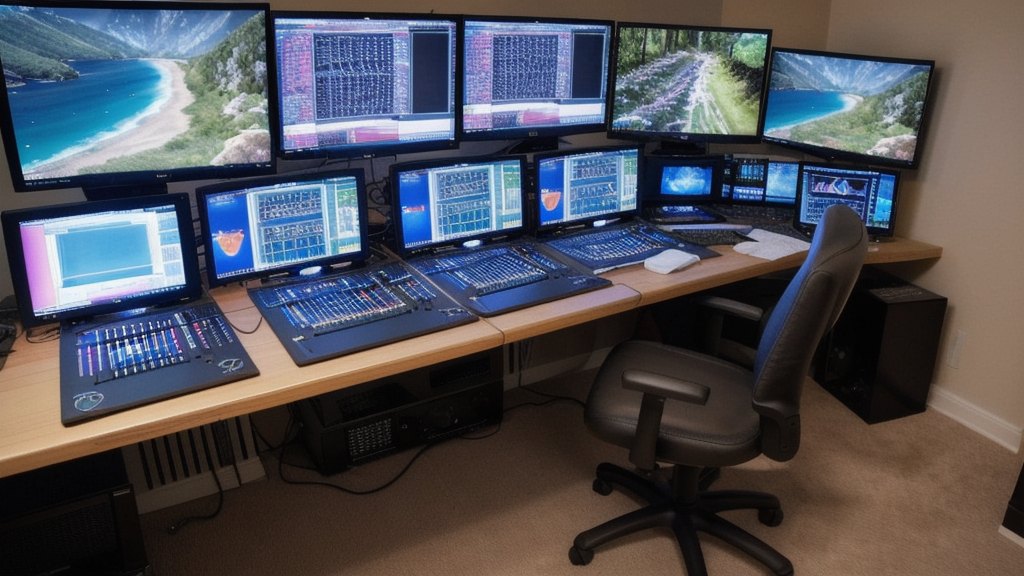
Embracing Advanced Software Solutions
One key area of transformation is software-based IP production. Companies like Adobe and Avid offer robust platforms that streamline the creation and management of broadcast content. According to Sarah Chen, Senior Engineer at Adobe, their Media Enterprise Suite allows broadcasters to "centralize asset management, automate workflows, and collaborate in real-time, significantly reducing production time and costs."
Leveraging Cloud-Based Technologies
Cloud computing is another critical component of this transition. Services such as AWS Elemental and Google Cloud offer scalable solutions that enable broadcasters to process vast amounts of data efficiently. As Kevin Patel, Director of Technology at a major sports network, notes, "Moving our IP production to the cloud has not only improved our ability to handle high volumes of content but also opened up new opportunities for global distribution and monetization." Data from Statista shows that by 2025, the cloud-based media and entertainment market is expected to reach $41.8 billion.
Enhancing Viewer Engagement with AR/VR
Augmented reality (AR) and virtual reality (VR) technologies are revolutionizing how sports content is consumed. Platforms like Unity and Unreal Engine offer tools for creating interactive experiences that transport viewers into the action. "With VR, we can create entirely new ways for fans to connect with their favorite athletes and teams," explains Maria Lopez, Chief Content Officer at a leading VR studio.
Conclusion
The transition from traditional to advanced IP production is not just about adopting new technologies; it's about reimagining how sports content is created, distributed, and experienced. By leveraging solutions from companies like Adobe, AWS, Unity, and others, broadcasters can stay ahead of the curve, engaging audiences in ways that were once impossible. As Sarah Chen aptly puts it, "The key to success in this rapidly evolving landscape is flexibility and innovation. Sports broadcasters who embrace these changes will not only thrive but also redefine what it means to be a part of the industry."

Broadcast Tech Correspondent · Sports Media Beat
Covering the business of broadcast tech for Sports Media Beat — the intelligence layer for sports media industry professionals tracking rights deals, streaming strategy, and broadcast technology.
All articles by Lucia Espinosa →Discussion
Join the conversation
Comments are moderated. Please keep discussion respectful and on-topic. Flag inappropriate content using the flag icon.
You May Also Like

MLB Network Enhances Affiliated Baseball's Exposure
Exploring the impact of MLB Network's partnership with AAPB All-Star Game and its potential to elevate broadcast production standards for affiliated baseball.

Mediaproxy's LogServer Comes to US Market with HVS Integration
The partnership between Mediaproxy and Heartland Video Systems (HVS) brings advanced logging and monitoring solutions to the U.S. broadcast market, setting a ne

Backblaze's Cutting-Edge Storage Solution Powers CoreWeave's AI Cloud Infrastructure
The partnership between Backblaze and CoreWeave marks a significant step in the world of sports broadcast production as it enhances the storage capacity for AI

