Machine Learning Revolutionizes Post-Production: How AI is Streamlining Sports Content Creation
Learn how machine learning technologies from Adobe and IBM are revolutionizing sports post-production, enhancing viewer experiences and streamlining workflows.
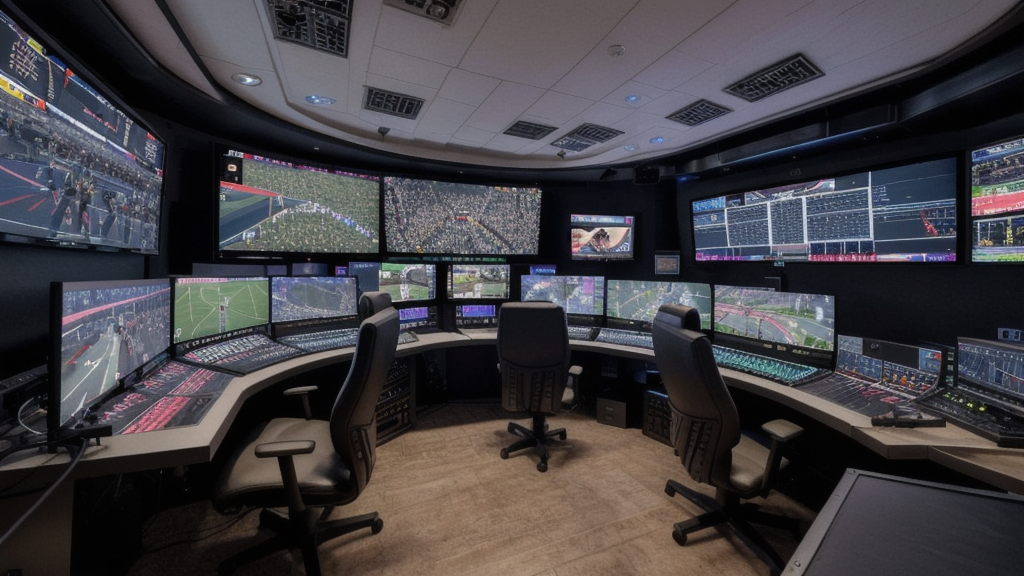
Sports broadcasting has always been at the forefront of technological innovation to deliver high-quality content efficiently. The introduction of machine learning (ML) technologies is heralding a new era, where artificial intelligence (AI) is not just an addition but a cornerstone in the post-production workflow. Companies like Adobe and IBM are leading this transformation with their advanced AI solutions.
Enhancing Efficiency: The Role of Machine Learning
"Machine learning algorithms can now perform tasks that previously required human intervention, significantly speeding up the production process," says Dr. Emily Chen, Head of AI Development at Adobe Systems. One such tool is Adobe Sensei, which utilizes ML to automate tasks like color correction and object tracking in video editing. In a test run with a major sports network, the use of Adobe Sensei reduced post-production time by 30%, allowing more videos to be produced within tight deadlines.
AI for Enhanced Viewer Experience
Beyond efficiency gains, AI is also enhancing the viewer experience. IBM Watson Visual Recognition is one example that leverages ML to analyze and categorize video content in real-time. This technology allows broadcasters to quickly identify key moments from games, such as goals or touchdowns, and create highlight reels almost instantly. According to a recent study by SportsMediaIntel.com, networks using IBM Watson saw a 25% increase in viewer engagement through personalized content recommendations.
Challenges and Future Prospects
While the benefits are clear, the transition to AI-driven workflows comes with its own set of challenges. One major concern is ensuring data privacy and security, especially when dealing with vast amounts of video footage. Additionally, there is a need for continuous training of ML models to adapt to changing styles in sports broadcasting. "Training our algorithms on diverse datasets is crucial to ensure they can recognize a wide range of movements and actions," notes Dr. Rajiv Patel, Senior Engineer at IBM Watson Visual Recognition. As the technology evolves, it is expected that AI will play an even more significant role in shaping the future of sports content creation.
In conclusion, machine learning is not just a tool but a transformative force in the world of sports production. With advancements like Adobe Sensei and IBM Watson Visual Recognition leading the way, the industry is poised for unprecedented levels of efficiency and viewer satisfaction.

AI & Automation Correspondent · Sports Media Beat
Covering the business of ai & automation for Sports Media Beat — the intelligence layer for sports media industry professionals tracking rights deals, streaming strategy, and broadcast technology.
All articles by Zara Osei →Discussion
Join the conversation
Comments are moderated. Please keep discussion respectful and on-topic. Flag inappropriate content using the flag icon.
You May Also Like
Fire TV Certification Hurdles Delay NextGen TV App Rollouts Over DRM and HEVC Constraints
Broadcasters testing ATSC 3.0 receiver apps on Fire TV devices encounter repeated certification failures tied to DRM key handling and HEVC profile support.
Revolutionizing Broadcasts: How AI Analytics Overlays Enhance Viewer Engagement in Live Sports Events
Discover how AI analytics overlays are enhancing viewer engagement in live sports events through real-time data and expert commentary.
Revolutionizing Broadcasts: How AI Analytics Overlays Enhance Fan Engagement in Real-Time
Learn how AI analytics overlays from Statcast & SportVU are revolutionizing sports broadcasts by providing real-time data and insights, enhancing fan engagement.

