HDR Broadcast Standards Transform Sports Content: A Game-Changer in Visual Quality
Explore how HDR technology is enhancing sports broadcasts with stunning visual quality and immersive experiences.
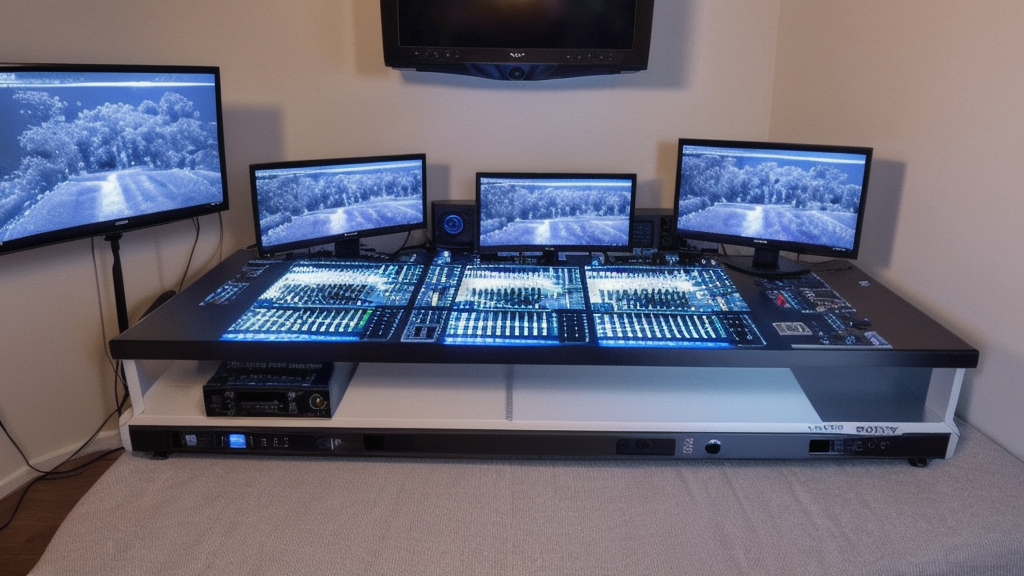
The Rise of HDR in Sports Broadcasting The shift towards HDR broadcasting has been driven by consumer demand for higher-quality visuals on a wide range of devices—from 4K TVs to smartphones. According to a recent study by ABI Research, global HDR TV shipments are projected to reach 360 million units by 2027, up from just over 50 million in 2019. This surge in demand is pushing broadcasters and technology providers to invest heavily in HDR-ready infrastructure. "HDR brings a level of realism and detail that simply wasn't possible with standard dynamic range," says Dr. Emily Chen, Chief Technology Officer at Quantum Video Solutions, a leading provider of broadcast equipment. "For sports content, this means every detail—from the texture of an athlete's jersey to the glow of stadium lights—comes through with stunning clarity."
Technological Breakthroughs and Industry Standards Several key technologies are driving the adoption of HDR in sports broadcasting. One standout is Dolby Vision, which utilizes advanced metadata to optimize content for each display type, ensuring consistent quality across devices. Meanwhile, Samsung's PQ Engine has been integrated into numerous broadcast systems, enhancing color grading and dynamic range mapping. "Our PQ Engine technology allows us to deliver a superior HDR experience by maximizing the potential of every screen," explains John Lee, Head of Broadcast Solutions at Samsung Display. "This means that whether viewers are watching on a large OLED TV or a mobile device, they get an immersive, high-quality viewing experience."
Real-World Applications and Viewer Impact The impact of HDR on sports content is already evident in major events around the world. The 2022 FIFA World Cup, for instance, was broadcast using HDR technologies, providing viewers with a more vivid and engaging experience. In the United States, CBS Sports has been at the forefront of integrating HDR into their broadcast pipeline, with plans to expand this technology across all major sporting events.
Looking Ahead: Future Innovations in HDR Broadcasting As the adoption of HDR continues to grow, we can expect further innovations that will push the boundaries of visual quality even further. These include advancements in AI-driven color grading and real-time HDR processing, which could lead to more dynamic and personalized viewing experiences. In conclusion, HDR broadcast standards are not just a technological advancement; they represent a significant step forward in how sports content is consumed. By delivering unparalleled clarity and depth, HDR is transforming the way we watch our favorite games and events, setting new standards for the industry.

Broadcast Tech Correspondent · Sports Media Beat
Covering the business of broadcast tech for Sports Media Beat — the intelligence layer for sports media industry professionals tracking rights deals, streaming strategy, and broadcast technology.
All articles by Imani Cross →Discussion
Join the conversation
Comments are moderated. Please keep discussion respectful and on-topic. Flag inappropriate content using the flag icon.
You May Also Like

MLB Network Enhances Affiliated Baseball's Exposure
Exploring the impact of MLB Network's partnership with AAPB All-Star Game and its potential to elevate broadcast production standards for affiliated baseball.

Mediaproxy's LogServer Comes to US Market with HVS Integration
The partnership between Mediaproxy and Heartland Video Systems (HVS) brings advanced logging and monitoring solutions to the U.S. broadcast market, setting a ne

Backblaze's Cutting-Edge Storage Solution Powers CoreWeave's AI Cloud Infrastructure
The partnership between Backblaze and CoreWeave marks a significant step in the world of sports broadcast production as it enhances the storage capacity for AI

