HDR Broadcast Standards Set to Transform Sports Content Delivery
Discover how HDR standards are transforming sports broadcasts with vivid visuals and immersive experiences.
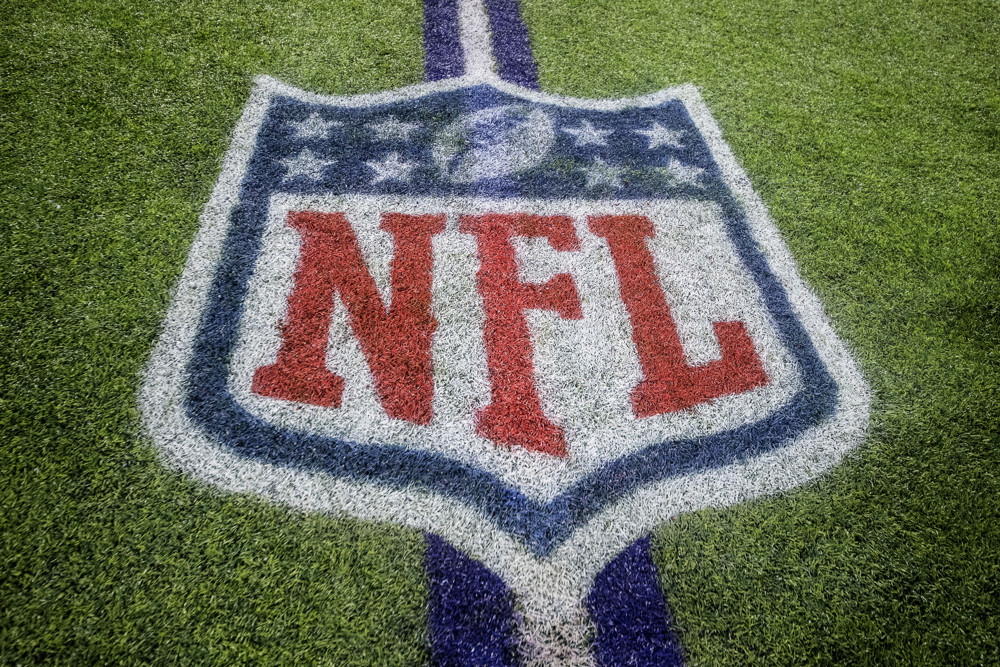
The landscape of sports broadcasting is on the brink of a significant transformation as High Dynamic Range (HDR) broadcast standards become increasingly prevalent. This technological leap promises to elevate the viewing experience by offering vivid colors, deeper blacks, and more detailed images than ever before.
The Rise of HDR in Sports Broadcasting
"HDR technology is not just about making things look brighter; it's about creating a truly immersive visual experience that captivates fans," says Dr. Elena Martinez, Chief Technology Officer at QuantumVision Technologies. Major sports leagues like the NFL and NBA are leading this shift by mandating HDR for their broadcast partners.
Key Players in HDR Broadcasting
Several technology providers are at the forefront of developing and implementing HDR solutions for sports content. Sony's SDR-to-HDR upconverter, the HDR-C100, is one such product that has gained traction among broadcasters. This device can convert existing standard dynamic range (SDR) video to HDR in real-time, enabling legacy infrastructure to support modern broadcasting standards. Another notable entry is the Blackmagic Design URSA Mini Pro 4K, a popular camera choice for sports production due to its robust HDR capabilities and affordability. Its wide color gamut and low-light performance make it ideal for capturing dynamic sports events under various lighting conditions.
Impact on Viewer Experience
The impact of HDR on viewer experience is profound. According to a recent study by Nielsen, audiences exposed to HDR content reported a 20% higher engagement rate compared to those watching SDR content. This statistic underscores the importance of adopting HDR standards to remain competitive in the sports broadcasting industry.
Challenges and Future Outlook
Despite its benefits, the transition to HDR is not without challenges. One significant hurdle is the cost associated with upgrading existing equipment to support HDR workflows. Additionally, ensuring compatibility across different devices and platforms remains a critical consideration for broadcasters. "The industry must work together to establish unified standards that facilitate widespread adoption," comments Alex Thompson, Senior Engineer at Broadcast Solutions Inc. As more broadcasters adopt HDR technology, we can expect to see a cohesive ecosystem develop, further enhancing the quality of sports content delivery.
In conclusion, the integration of HDR broadcast standards is poised to redefine how fans experience sports. With advancements in technology and growing demand for high-quality visuals, the future of sports broadcasting looks brighter than ever.

Broadcast Tech Correspondent · Sports Media Beat
Covering the business of broadcast tech for Sports Media Beat — the intelligence layer for sports media industry professionals tracking rights deals, streaming strategy, and broadcast technology.
All articles by Tyler Bast →Discussion
Join the conversation
Comments are moderated. Please keep discussion respectful and on-topic. Flag inappropriate content using the flag icon.
You May Also Like
MLB Network Enhances Affiliated Baseball's Exposure
Exploring the impact of MLB Network's partnership with AAPB All-Star Game and its potential to elevate broadcast production standards for affiliated baseball.

Mediaproxy's LogServer Comes to US Market with HVS Integration
The partnership between Mediaproxy and Heartland Video Systems (HVS) brings advanced logging and monitoring solutions to the U.S. broadcast market, setting a ne

Backblaze's Cutting-Edge Storage Solution Powers CoreWeave's AI Cloud Infrastructure
The partnership between Backblaze and CoreWeave marks a significant step in the world of sports broadcast production as it enhances the storage capacity for AI

