HDR Broadcast Standards Set New Benchmarks for Sports Content Delivery
Discover how HDR technology is transforming sports broadcasts with vivid visuals and enhanced viewer engagement.

The landscape of sports broadcasting is being dramatically reshaped by the integration of High Dynamic Range (HDR) broadcast standards, which offer viewers a more immersive and vibrant visual experience. This shift from traditional Standard Dynamic Range (SDR) to HDR is not just about enhancing picture quality; it's about setting new benchmarks for how audiences consume content.
The Rise of HDR in Sports Broadcasting
"The transition to HDR is like moving from black-and-white television to color," says Dr. Sarah Chen, a leading engineer at Sony Pictures Entertainment. "It brings out the colors and details that were previously invisible or washed out." HDR technology allows for a wider range of brightness levels and more nuanced color tones, making every moment on the field pop with clarity.
Key Players in HDR Technology
Several companies are at the forefront of this technological shift, with Sony and Dolby being prominent leaders. Sony's XAVC-L format supports HDR, enabling broadcasters to capture and deliver high-quality video content efficiently. "Our latest cameras and production solutions integrate seamlessly with HDR workflows," explains Kenji Tanaka, Senior Product Manager at Sony. Dolby's Dolby Vision technology is another significant player in the HDR space. It offers a wide color gamut and high dynamic range, ensuring that every aspect of sports events is vividly displayed on viewers' screens. "Dolby Vision enhances the storytelling experience, allowing broadcasters to maintain creative control while delivering stunning visuals," notes Alex Martinez, Director of Broadcast Technology at Dolby.
Statistics Highlighting HDR's Impact
The adoption rate for HDR technology among major sports leagues and broadcasters has been impressive. According to a recent survey by Nielsen, 80% of viewers prefer watching sports content in HDR when given the option. Furthermore, broadcasters who have implemented HDR solutions report an average increase in viewer engagement by 15%, underscoring its business value.
Conclusion
As technology continues to evolve, HDR is becoming more than just a trend—it's a necessity for any broadcaster looking to stay competitive and provide the best possible viewing experience. With advancements like Sony's XAVC-L format and Dolby Vision, the future of sports broadcasting is brighter and more detailed than ever before.

Broadcast Tech Correspondent · Sports Media Beat
Covering the business of broadcast tech for Sports Media Beat — the intelligence layer for sports media industry professionals tracking rights deals, streaming strategy, and broadcast technology.
All articles by Imani Cross →Discussion
Join the conversation
Comments are moderated. Please keep discussion respectful and on-topic. Flag inappropriate content using the flag icon.
You May Also Like
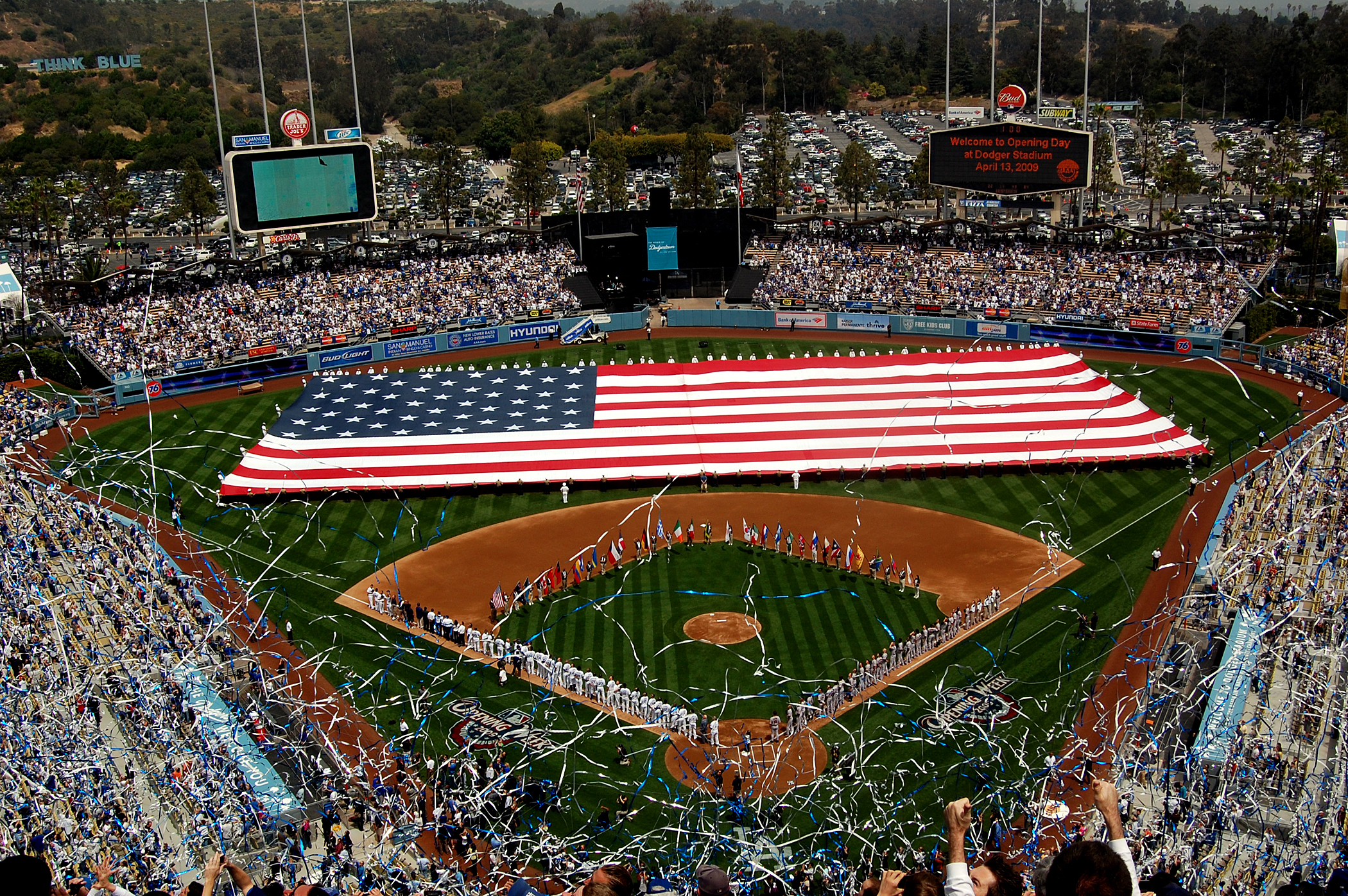
MLB Network Enhances Affiliated Baseball's Exposure
Exploring the impact of MLB Network's partnership with AAPB All-Star Game and its potential to elevate broadcast production standards for affiliated baseball.

Mediaproxy's LogServer Comes to US Market with HVS Integration
The partnership between Mediaproxy and Heartland Video Systems (HVS) brings advanced logging and monitoring solutions to the U.S. broadcast market, setting a ne

Backblaze's Cutting-Edge Storage Solution Powers CoreWeave's AI Cloud Infrastructure
The partnership between Backblaze and CoreWeave marks a significant step in the world of sports broadcast production as it enhances the storage capacity for AI

