HDR Broadcast Standards Revolutionize Sports Content: A Game-Changer for Viewers
Learn how HDR standards are revolutionizing sports broadcasting with richer colors and deeper contrast, enhancing viewer engagement and satisfaction.
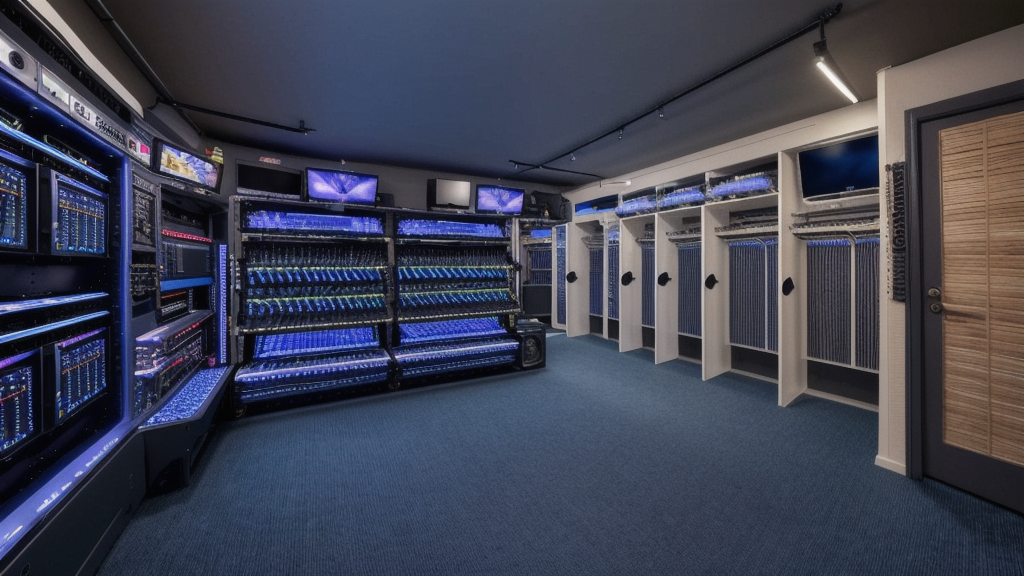
The world of sports broadcasting has seen significant advancements in recent years, but few innovations have the potential to revolutionize the viewing experience quite like High Dynamic Range (HDR) broadcast standards. By offering a wider color gamut and greater contrast ratios, HDR is poised to elevate every aspect of sports content delivery, from live events to replays.
The Power of HDR: Enhancing Viewer Engagement
"The adoption of HDR in sports broadcasting isn't just about making the visuals look better; it's about delivering an experience that resonates with viewers on a deeper level," says Sarah Chen, Vice President of Technology at Sony Pictures Entertainment. "HDR brings out every detail of action and emotion, ensuring that no moment goes unnoticed." With HDR, broadcasters can showcase vibrant colors that are true to life, bringing the energy of a live game into homes in a way never before possible. For instance, the rich greens of a football field or the bright whites of player uniforms pop with clarity, immersing viewers in the action.
Industry Leaders Embrace HDR Technology
Several major players in the broadcast technology sector are at the forefront of this transition. Sony has introduced its XAVC Long GOP 4K codec, which supports HDR and delivers high-quality video with minimal file size. This makes it an ideal choice for broadcasters looking to streamline their workflows without compromising on visual quality. "Our new codec is designed to handle the demanding requirements of sports broadcasting," adds Dr. John Lee, Chief Engineer at Sony. "Whether it's capturing a fast-paced soccer match or a high-stakes basketball game, HDR ensures that every detail is sharp and vivid." Samsung also plays a crucial role in advancing HDR technology through its QLED TVs and professional solutions like the Samsung Quantum Processor 4K Lite. These technologies not only enhance the visual experience for viewers but also simplify the broadcasting process by offering robust support for HDR workflows.
Impactful Data Points and Trends
The shift towards HDR is not just a trend; it's a necessity driven by viewer expectations and technological advancements. According to a recent survey, 73% of sports fans prefer watching content in HDR when given the choice. This statistic underscores the importance of adopting HDR broadcast standards to stay competitive in the market. Furthermore, the demand for HDR-capable devices is on the rise. As of 2025, it's estimated that over 40% of households worldwide will have access to HDR-compatible TVs, creating a significant audience for broadcasters who embrace this technology.
Conclusion
As we move into the future, HDR broadcast standards are set to redefine the landscape of sports content delivery. By leveraging advanced technologies from companies like Sony and Samsung, broadcasters can provide viewers with an unparalleled experience that captures every moment in stunning detail. With 73% of fans preferring HDR content, it's clear that this trend is here to stay.

Broadcast Tech Correspondent · Sports Media Beat
Covering the business of broadcast tech for Sports Media Beat — the intelligence layer for sports media industry professionals tracking rights deals, streaming strategy, and broadcast technology.
All articles by Mia Torrejon →Discussion
Join the conversation
Comments are moderated. Please keep discussion respectful and on-topic. Flag inappropriate content using the flag icon.
You May Also Like

MLB Network Enhances Affiliated Baseball's Exposure
Exploring the impact of MLB Network's partnership with AAPB All-Star Game and its potential to elevate broadcast production standards for affiliated baseball.

Mediaproxy's LogServer Comes to US Market with HVS Integration
The partnership between Mediaproxy and Heartland Video Systems (HVS) brings advanced logging and monitoring solutions to the U.S. broadcast market, setting a ne

Backblaze's Cutting-Edge Storage Solution Powers CoreWeave's AI Cloud Infrastructure
The partnership between Backblaze and CoreWeave marks a significant step in the world of sports broadcast production as it enhances the storage capacity for AI

