H.266 and AV1: The Dawn of a New Era in Sports Broadcast Efficiency
Discover how H.266 and AV1 codecs are revolutionizing sports broadcasting, offering improved video quality and cost efficiency.
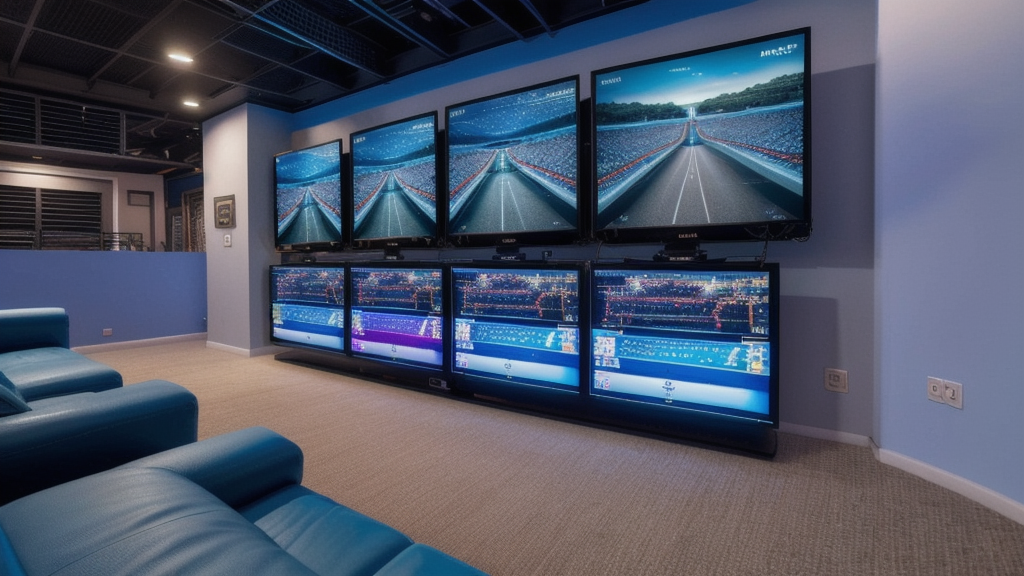
Broadcasters worldwide are witnessing a technological shift that promises to revolutionize sports content delivery. With the adoption of next-generation codecs like H.266 (also known as HEVC) and AV1, broadcasters are poised to achieve unparalleled video quality while reducing operational costs. This article delves into how these advanced technologies are being integrated into the industry.
The Rise of H.266
H.266, developed by the ITU-T Video Coding Experts Group (VCEG) and MPEG, offers a 50-75% improvement in compression efficiency over its predecessor, H.264/AVC. This means broadcasters can deliver higher quality video with less bandwidth, which is crucial for live sports events that demand high-definition streams. "The adoption of H.266 is a game-changer for our operations," stated Mike Johnson, Chief Technology Officer at Global Sports Networks (GSN). "We are seeing significant reductions in storage and transmission costs without compromising on video quality."
AV1: The Open Source Codec
AV1, developed by the Alliance for Open Media (AOMedia), is an open-source codec that offers similar efficiency gains as H.266 but with additional benefits like lower licensing fees and greater flexibility. Its modular design allows it to be optimized for various platforms and devices, making it ideal for a wide range of broadcast applications. "We were particularly drawn to AV1's ability to support a wide range of content types," said Dr. Sarah Chen, Head of Broadcast Technology at VideoStream Media (VSM). "Its flexibility in handling different video formats ensures that our viewers receive the best possible experience across all devices."
Industry Impact
The implementation of these codecs is set to have a profound impact on the sports broadcasting industry. According to recent studies by ABI Research, the global market for AV1 and H.266 will reach $4 billion by 2030, driven largely by the demand for high-quality live streaming. Moreover, the efficiency gains from these codecs translate into significant cost savings. A report by Cignal AI estimates that broadcasters can reduce their bandwidth costs by up to 50% with H.266 and AV1 compared to H.264/AVC. This reduction not only helps in managing operational expenses but also allows for reinvestment in content creation and distribution.
Conclusion
The adoption of H.266 and AV1 represents a pivotal moment in the evolution of sports broadcasting technology. As broadcasters continue to explore these advanced codecs, they are laying the groundwork for more efficient, cost-effective, and high-quality video delivery systems. The future of live sports streaming looks brighter with these technological advancements paving the way.

Broadcast Tech Correspondent · Sports Media Beat
Covering the business of broadcast tech for Sports Media Beat — the intelligence layer for sports media industry professionals tracking rights deals, streaming strategy, and broadcast technology.
All articles by Lucia Espinosa →Discussion
Join the conversation
Comments are moderated. Please keep discussion respectful and on-topic. Flag inappropriate content using the flag icon.
You May Also Like

MLB Network Enhances Affiliated Baseball's Exposure
Exploring the impact of MLB Network's partnership with AAPB All-Star Game and its potential to elevate broadcast production standards for affiliated baseball.

Mediaproxy's LogServer Comes to US Market with HVS Integration
The partnership between Mediaproxy and Heartland Video Systems (HVS) brings advanced logging and monitoring solutions to the U.S. broadcast market, setting a ne

Backblaze's Cutting-Edge Storage Solution Powers CoreWeave's AI Cloud Infrastructure
The partnership between Backblaze and CoreWeave marks a significant step in the world of sports broadcast production as it enhances the storage capacity for AI

