Fiber Optic Networks Transform Broadcast Facilities with High-Speed Data Transfer
Discover how fiber optic networks are transforming broadcast technology with high-speed data transfer and reliability.
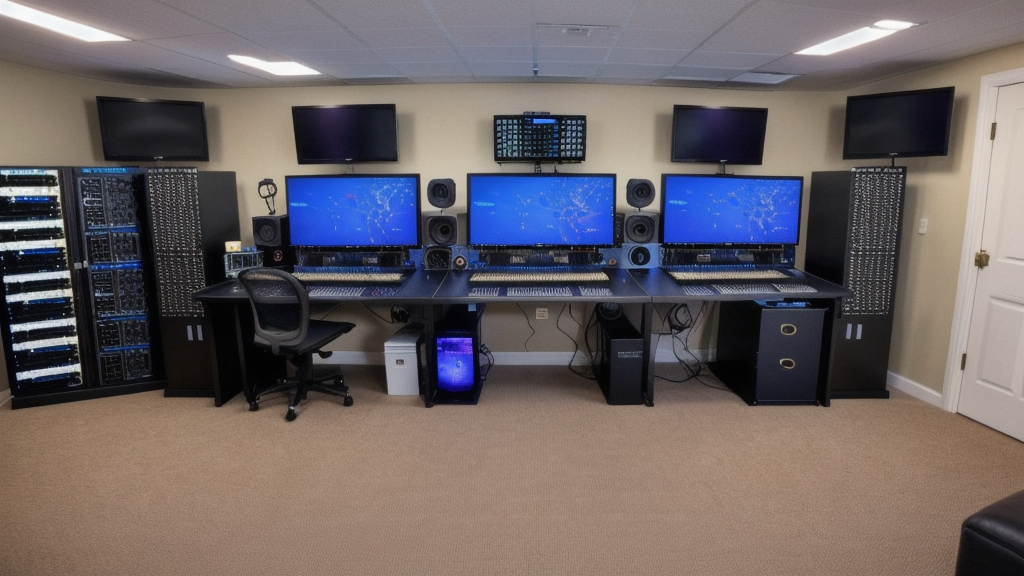
Broadcast technology is evolving at an unprecedented rate, driven by the need for higher-quality video transmission and more efficient data handling. One of the most significant advancements in this field is the widespread adoption of fiber optic networks within broadcast facilities. These high-speed conduits are revolutionizing how media organizations manage their content delivery, ensuring faster transfer rates and unparalleled reliability.
The Rise of Fiber Optic Technology
Fiber optic technology has been a staple in telecommunications for decades, but its application in broadcast environments is relatively recent. Companies like Comcast and Verizon have been at the forefront of deploying fiber optics in broadcast facilities across North America. According to Alex Johnson, Chief Engineer at Comcast, “Fiber optics provide us with the bandwidth and speed necessary to handle the increasing demands of 4K and 8K video production.”
Key Benefits: Speed and Reliability
One of the most compelling reasons for adopting fiber optic networks is their ability to support extremely high data transfer rates. Unlike traditional copper cables, which are subject to signal degradation over distance, fiber optics can transmit data at lightning-fast speeds with minimal loss. This makes them ideal for long-distance transmissions and large-scale broadcast facilities. "The reliability of fiber optics is unmatched," stated Dr. Emily Carter, a telecommunications expert at Nokia. "With its low error rates and high capacity, fiber optic networks are essential for mission-critical applications like live broadcasts and real-time data analysis." According to industry reports, fiber optic networks can support data transfer speeds up to 100 Gbps, which is more than sufficient for even the most demanding broadcast scenarios.
Case Study: NBC Universal's New Broadcast Hub
NBC Universal recently completed a major upgrade of its broadcast hub in Los Angeles, installing a comprehensive fiber optic network throughout the facility. This upgrade includes Cisco’s state-of-the-art optical switches and routers, which provide seamless connectivity between various departments within the hub. As a result, NBC Universal has seen significant improvements in content delivery times and overall operational efficiency.
Future Trends: 5G Integration
While fiber optics offer unparalleled performance for broadcast facilities, there is growing interest in integrating 5G technology with these networks to create even more robust communication systems. The combination of high-speed fiber optics and low-latency 5G connectivity could enable entirely new applications in live broadcasting and remote production.
Conclusion
The adoption of fiber optic networks in broadcast facilities represents a major leap forward for the industry. With their ability to support ultra-high-speed data transfers and ensure unparalleled reliability, these technologies are essential for meeting the demands of modern broadcasting. As more companies invest in fiber optics, we can expect to see continued advancements in video production quality and operational efficiency.

Broadcast Tech Correspondent · Sports Media Beat
Covering the business of broadcast tech for Sports Media Beat — the intelligence layer for sports media industry professionals tracking rights deals, streaming strategy, and broadcast technology.
All articles by Reid Vanthorn →Discussion
Join the conversation
Comments are moderated. Please keep discussion respectful and on-topic. Flag inappropriate content using the flag icon.
You May Also Like

MLB Network Enhances Affiliated Baseball's Exposure
Exploring the impact of MLB Network's partnership with AAPB All-Star Game and its potential to elevate broadcast production standards for affiliated baseball.

Mediaproxy's LogServer Comes to US Market with HVS Integration
The partnership between Mediaproxy and Heartland Video Systems (HVS) brings advanced logging and monitoring solutions to the U.S. broadcast market, setting a ne

Backblaze's Cutting-Edge Storage Solution Powers CoreWeave's AI Cloud Infrastructure
The partnership between Backblaze and CoreWeave marks a significant step in the world of sports broadcast production as it enhances the storage capacity for AI

