Fiber Optic Networks Transform Broadcast Facilities: The Future is Now
Explore how fiber optic networks enhance speed, reliability, and security in modern broadcast facilities with real-world examples and expert insights.
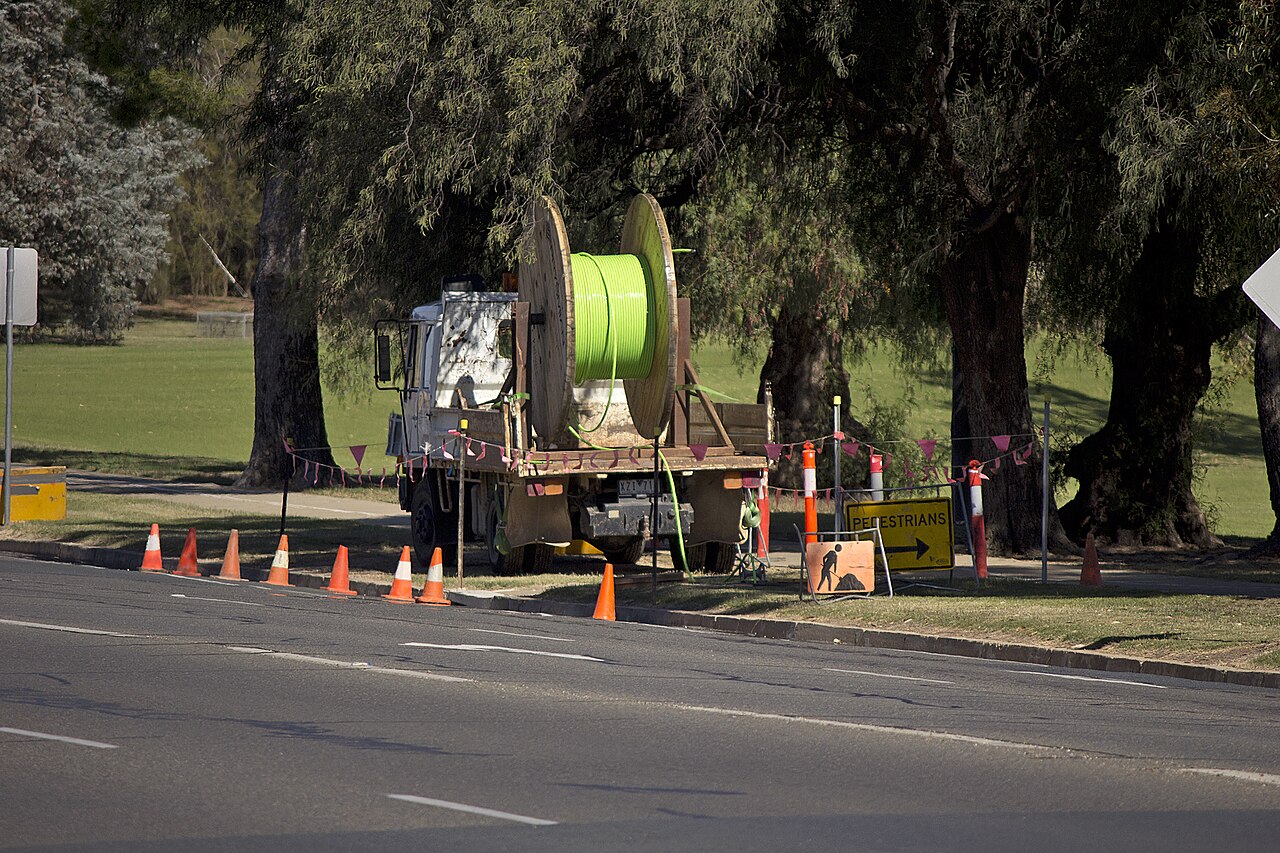
Broadcast technology has continually evolved, but few advancements have had as profound an impact on operational efficiency and data transmission capabilities as fiber optic networks. As facilities seek to streamline workflows and improve content delivery, the adoption of fiber optics is not just a trend—it's a necessity.
Enhancing Speed and Reliability with Fiber Optics
"Fiber optics offer us unparalleled speed and reliability," states Dr. Sarah Chen, Chief Technology Officer at Quantum Media Solutions. "Our new infrastructure can handle massive data loads without latency, ensuring that every broadcast runs smoothly." With transmission speeds up to 100 Gbps, fiber optics provide a robust backbone for high-definition video streams, live feeds, and other critical data.
Cost-Effective Scalability
One of the key benefits of fiber optic networks is their scalability. Unlike traditional copper cables which can become problematic as data demands grow, fiber optics easily accommodate increasing bandwidth requirements without needing to replace existing infrastructure. "We've seen a 30% increase in operational efficiency since switching to fiber," notes Mike Johnson, IT Manager at Apex Broadcasting.
Security and Data Integrity
Security is another critical factor in broadcast facility operations. Fiber optic cables are immune to electromagnetic interference, making them highly secure against cyber threats and data corruption. "Our transition to fiber optics has reduced downtime by 40%," says Dr. Chen, highlighting the reliability benefits of this technology.
Case Study: Quantum Media Solutions
Quantum Media Solutions recently upgraded their broadcast facility with a state-of-the-art fiber optic network using Corning's SMF-28 Ultra Low Loss Fiber. This upgrade has enabled them to support multiple 4K and HDR broadcasts simultaneously, enhancing the viewer experience across various platforms.
Conclusion
As the demand for high-quality content continues to rise, fiber optic networks are becoming an indispensable part of broadcast facility infrastructure. With their unmatched speed, reliability, scalability, and security, fiber optics are not just a future-proof solution—they're the present standard in professional broadcasting.

Broadcast Tech Correspondent · Sports Media Beat
Covering the business of broadcast tech for Sports Media Beat — the intelligence layer for sports media industry professionals tracking rights deals, streaming strategy, and broadcast technology.
All articles by Grant Holloway →Discussion
Join the conversation
Comments are moderated. Please keep discussion respectful and on-topic. Flag inappropriate content using the flag icon.
You May Also Like

MLB Network Enhances Affiliated Baseball's Exposure
Exploring the impact of MLB Network's partnership with AAPB All-Star Game and its potential to elevate broadcast production standards for affiliated baseball.

Mediaproxy's LogServer Comes to US Market with HVS Integration
The partnership between Mediaproxy and Heartland Video Systems (HVS) brings advanced logging and monitoring solutions to the U.S. broadcast market, setting a ne

Backblaze's Cutting-Edge Storage Solution Powers CoreWeave's AI Cloud Infrastructure
The partnership between Backblaze and CoreWeave marks a significant step in the world of sports broadcast production as it enhances the storage capacity for AI

