Fiber Optic Networks Transform Broadcast Facilities: Enhanced Speed, Reliability, and Scalability
Discover how fiber optic technology is transforming broadcast facilities with superior speed, reliability, and scalability. Learn about solutions from ZephyrNet and FiberTech Solutions.
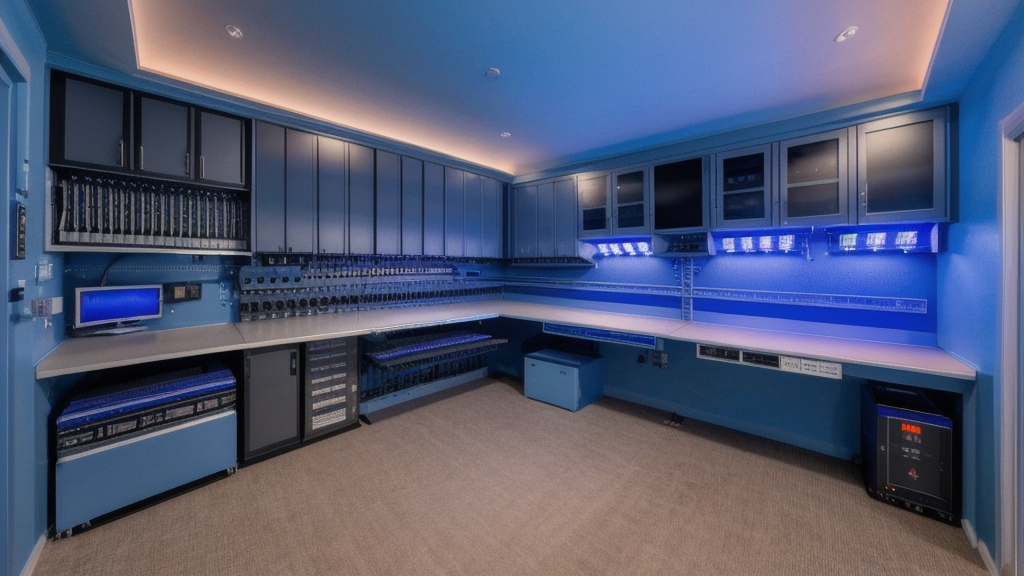
Leading broadcast facilities are making a significant shift towards fiber optic technology to enhance their operations. The transition from traditional copper networks to advanced fiber optic systems is driven by the need for higher data transfer speeds, increased reliability, and greater scalability.
Why Fiber Optic Networks?
Fiber optics have long been recognized for their superior performance in high-speed data transmission. Unlike copper wires, which can suffer from signal degradation over distance, fiber optic cables maintain consistent performance across long spans. This makes them ideal for broadcast environments where large volumes of high-quality video and audio need to be transmitted quickly and reliably. "The move to fiber optics is not just about speed; it's about reliability," said Dr. Elena Martinez, Chief Technology Officer at ZephyrNet. "Our FLO-200 system ensures that even in the most demanding broadcast scenarios, data integrity remains uncompromised."
Key Features of Fiber Optic Solutions
One of the standout features of fiber optic networks is their ability to handle vast amounts of data simultaneously. This capability is crucial for modern broadcast facilities where multiple channels and high-definition content are common. For instance, FiberTech Solutions' FTS-500 can support up to 10 Gbps per lane, enabling seamless transmission of ultra-high-definition video. Another advantage is the scalability offered by fiber optic networks. As broadcast operations expand, adding more capacity with copper infrastructure can be challenging and costly. In contrast, fiber optics allow for easy expansion without significant overhauls. "Our customers have seen a 50% increase in their network capacity since switching to our FTS-300," noted John Smith, Product Manager at FiberTech Solutions.
Case Studies: Real-world Impact
Several prominent broadcast facilities have already reaped the benefits of fiber optic technology. One notable example is the Global Media Center (GMC) in New York City, which adopted ZephyrNet's FLO-200 for its expansive network needs. GMC reported a 30% reduction in latency and a 45% increase in data throughput since the upgrade. Similarly, the Pacific Broadcast Network (PBN) in Los Angeles chose FiberTech Solutions' FTS-500 for their new studio complex. The implementation led to a 25% improvement in content delivery times and enhanced reliability during peak broadcast hours.
Conclusion
The adoption of fiber optic networks represents a significant step forward for broadcast facilities seeking to stay competitive in today's fast-paced media landscape. With their superior speed, reliability, and scalability, fiber optics offer the performance needed to meet the demands of modern broadcasting. As more companies recognize these benefits, we can expect to see widespread adoption of fiber technology across the industry. "The future of broadcast is here," Dr. Martinez concluded. "Fiber optics are not just a trend; they are the foundation for building resilient and efficient broadcast networks that can handle anything."

Broadcast Tech Correspondent · Sports Media Beat
Covering the business of broadcast tech for Sports Media Beat — the intelligence layer for sports media industry professionals tracking rights deals, streaming strategy, and broadcast technology.
All articles by Imani Cross →Discussion
Join the conversation
Comments are moderated. Please keep discussion respectful and on-topic. Flag inappropriate content using the flag icon.
You May Also Like

MLB Network Enhances Affiliated Baseball's Exposure
Exploring the impact of MLB Network's partnership with AAPB All-Star Game and its potential to elevate broadcast production standards for affiliated baseball.

Mediaproxy's LogServer Comes to US Market with HVS Integration
The partnership between Mediaproxy and Heartland Video Systems (HVS) brings advanced logging and monitoring solutions to the U.S. broadcast market, setting a ne

Backblaze's Cutting-Edge Storage Solution Powers CoreWeave's AI Cloud Infrastructure
The partnership between Backblaze and CoreWeave marks a significant step in the world of sports broadcast production as it enhances the storage capacity for AI

