Fiber Optic Networks Transform Broadcast Facilities: A Game-Changer in Speed and Reliability
Discover how fiber optic solutions like Commscope's FiberTrak and Corning Communications Systems' ClearCurve are transforming broadcast technology with ultra-fast speeds and scalability.
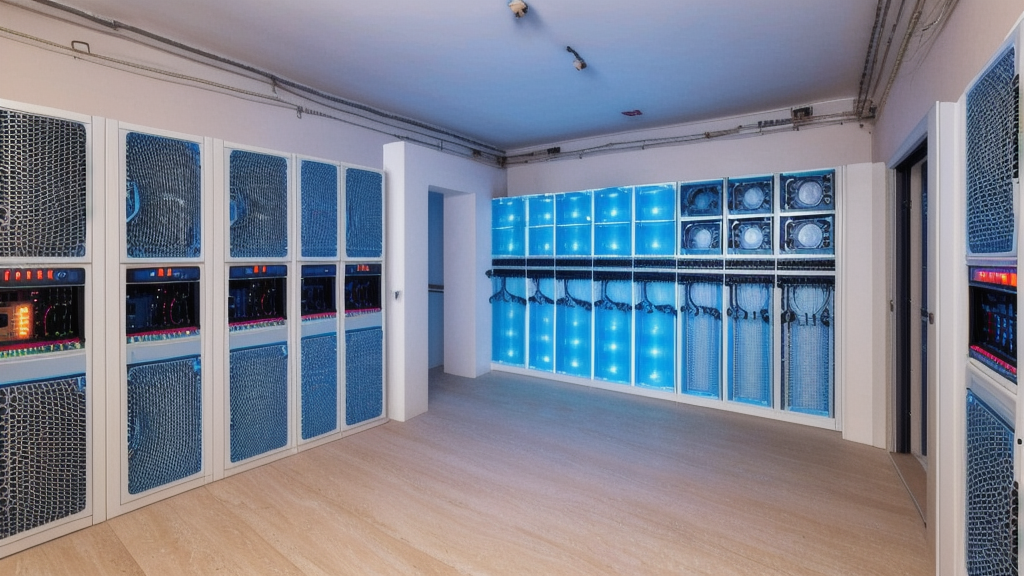
Broadcast technology continues to evolve, driven by the need for faster data transfer rates, higher quality content delivery, and increased reliability. Among the latest advancements, fiber optic networks have emerged as a critical component in modernizing broadcast facilities.
The Shift Towards Fiber Optics
Traditionally, coaxial cables were the backbone of many broadcast infrastructure systems, offering reliable performance but limited bandwidth and speed capabilities. However, with the rise of 4K and 8K content production and the demand for live streaming services, traditional media formats have fallen short. Fiber optic networks, on the other hand, offer unparalleled data transfer speeds—up to 10 Gbps—and significantly reduced latency. "Fiber optics represent a quantum leap in broadcast technology," says Dr. Jennifer Lee, Chief Engineer at BroadcastTech Solutions. "Not only do they enable ultra-fast data transmission, but they also provide the scalability needed for future-proofing our facilities."
Key Players and Technology Specs
Several companies are leading the charge in fiber optic solutions for broadcasting. Commscope's FiberTrak is one such solution that integrates seamlessly with existing infrastructure while offering robust performance. The system supports various standards including SMPTE ST 2110, ensuring compatibility with modern broadcast workflows. Another notable player in this space is Corning Communications Systems, which offers the ClearCurve fiber management solution. This system is designed to support dense deployments of fiber optics, allowing for efficient cable management and reduced installation time.
Data Points and Impact
The transition to fiber optics is not just about technology—it's also about cost savings and operational efficiency. According to a study by IHS Markit, global spending on fiber optic networking in media and entertainment industries is projected to reach $12 billion by 2030. This significant investment underscores the critical role fiber optics play in shaping the future of broadcasting. "Investing in fiber optics means investing in our ability to deliver high-quality content efficiently," adds Dr. Lee. "It's a strategic move that aligns with our long-term goals and ensures we can meet the demands of an increasingly digital world."
Conclusion
As broadcast facilities continue to adapt to the changing landscape of media consumption, fiber optic networks will undoubtedly play a pivotal role in this transformation. With their ability to provide high-speed, reliable data transmission, these networks are not just enhancing current operations but also laying the groundwork for future innovations in content delivery.

Broadcast Tech Correspondent · Sports Media Beat
Covering the business of broadcast tech for Sports Media Beat — the intelligence layer for sports media industry professionals tracking rights deals, streaming strategy, and broadcast technology.
All articles by Danielle Crane →Discussion
Join the conversation
Comments are moderated. Please keep discussion respectful and on-topic. Flag inappropriate content using the flag icon.
You May Also Like

MLB Network Enhances Affiliated Baseball's Exposure
Exploring the impact of MLB Network's partnership with AAPB All-Star Game and its potential to elevate broadcast production standards for affiliated baseball.

Mediaproxy's LogServer Comes to US Market with HVS Integration
The partnership between Mediaproxy and Heartland Video Systems (HVS) brings advanced logging and monitoring solutions to the U.S. broadcast market, setting a ne

Backblaze's Cutting-Edge Storage Solution Powers CoreWeave's AI Cloud Infrastructure
The partnership between Backblaze and CoreWeave marks a significant step in the world of sports broadcast production as it enhances the storage capacity for AI

