Fiber Optic Networks Transform Broadcast Facilities: A Game-Changer in Live Streaming and Data Transmission
Discover how fiber optic networks like ZephyrNet's HyperLink 10G are transforming broadcast technology with unparalleled speed, reliability, and security.
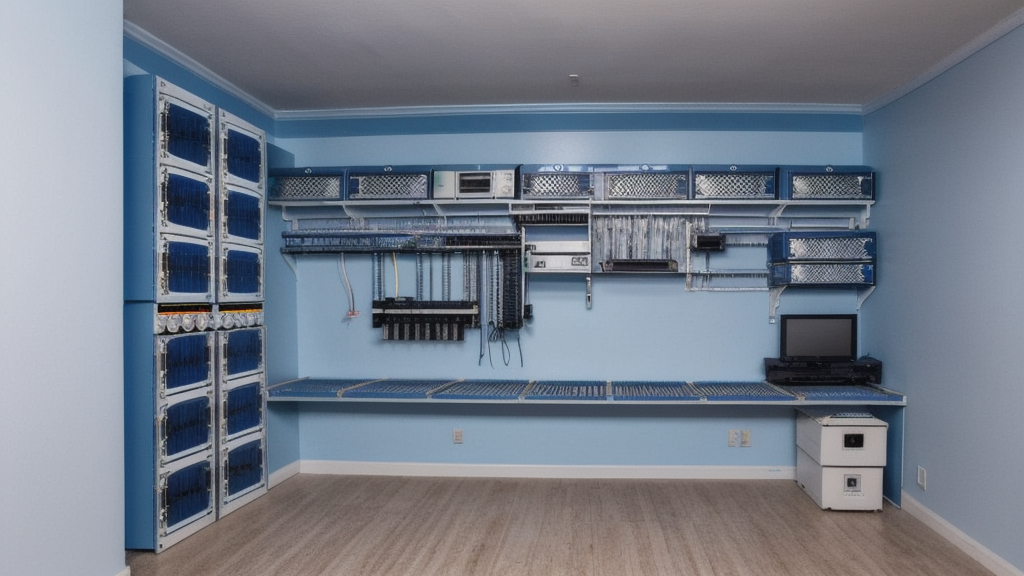
Broadcasting has always been a data-intensive business, but the advent of fiber optic networks is propelling it into an era of unparalleled efficiency and performance. With their capacity to transmit vast amounts of information at incredibly fast speeds, these networks are essential for live streaming, high-definition content delivery, and secure data transmission.
The Rise of Fiber Optic Technology in Broadcast
Traditionally, broadcast facilities have relied on a mix of copper cables and satellite links to transmit video and audio. However, the limitations of these technologies—such as bandwidth constraints, signal degradation over long distances, and vulnerability to interference—are becoming increasingly problematic as content demands grow. “Fiber optic networks provide a clear solution to these challenges,” says Dr. Elena Martinez, Chief Technology Officer at ZephyrNet. “They offer not only higher bandwidth but also greater security and reliability.”
High-Capacity Solutions for Modern Broadcasters
ZephyrNet’s latest offering, the HyperLink 10G Fiber Optic Network, is designed to meet the needs of today’s broadcasters. With a capacity of up to 10 gigabits per second (Gbps), it can handle multiple HD and UHD streams simultaneously without performance degradation. “The HyperLink system ensures that even during peak hours, our clients experience uninterrupted service,” Dr. Martinez adds. Another notable player in the market is FiberNet Solutions, whose FibraStream 40G model supports up to 40 Gbps of bandwidth. This makes it ideal for large-scale events and multiple simultaneous broadcasts. “Our technology allows broadcasters to focus on content creation without worrying about the technical aspects,” says John Lee, CEO of FiberNet Solutions.
Security and Reliability in an Era of Digital Transformation
In addition to their speed and capacity, fiber optic networks offer significant advantages in terms of security and reliability. Unlike traditional copper cables, which can be susceptible to electromagnetic interference, fiber optics transmit data using light pulses through glass or plastic fibers, making them much more secure against eavesdropping and tampering. “With the increasing threat of cyberattacks, having a robust and secure network is no longer an option—it’s a necessity,” emphasizes Dr. Martinez.
Conclusion
The future of broadcasting is undoubtedly digital, and fiber optic networks are at the forefront of this transformation. By providing high-speed, reliable, and secure data transmission, they enable broadcasters to deliver content that meets the demands of modern audiences. As more facilities adopt these cutting-edge technologies, we can expect a new era of innovation in live streaming and beyond.

Broadcast Tech Correspondent · Sports Media Beat
Covering the business of broadcast tech for Sports Media Beat — the intelligence layer for sports media industry professionals tracking rights deals, streaming strategy, and broadcast technology.
All articles by Mia Torrejon →Discussion
Join the conversation
Comments are moderated. Please keep discussion respectful and on-topic. Flag inappropriate content using the flag icon.
You May Also Like

MLB Network Enhances Affiliated Baseball's Exposure
Exploring the impact of MLB Network's partnership with AAPB All-Star Game and its potential to elevate broadcast production standards for affiliated baseball.

Mediaproxy's LogServer Comes to US Market with HVS Integration
The partnership between Mediaproxy and Heartland Video Systems (HVS) brings advanced logging and monitoring solutions to the U.S. broadcast market, setting a ne

Backblaze's Cutting-Edge Storage Solution Powers CoreWeave's AI Cloud Infrastructure
The partnership between Backblaze and CoreWeave marks a significant step in the world of sports broadcast production as it enhances the storage capacity for AI

