Dolby Atmos Transforms Sports Broadcasts with Immersive Soundscapes
Discover how Dolby Atmos delivers immersive soundscapes for sports broadcasts, transforming fan experiences like never before.

The Evolution of Immersive Audio in Sports Broadcasting
Traditionally, sports broadcasts have relied on stereo sound to create engaging experiences for audiences at home. However, this approach often falls short when it comes to replicating the dynamic and layered soundscape found within stadiums. Enter Dolby Atmos, which leverages object-based audio to deliver a more realistic and immersive experience. "Dolby Atmos for sports is not just about adding more channels or speakers," says Sarah Lee, Senior Audio Engineer at Dolby Labs. "It's about placing each sound precisely where it should be in the listening space, creating an environment that fans can feel as much as they hear." This precision allows broadcasters to accurately represent crowd roars, individual player movements, and even subtle ambient noises from the arena. ## How Does Dolby Atmos Work?
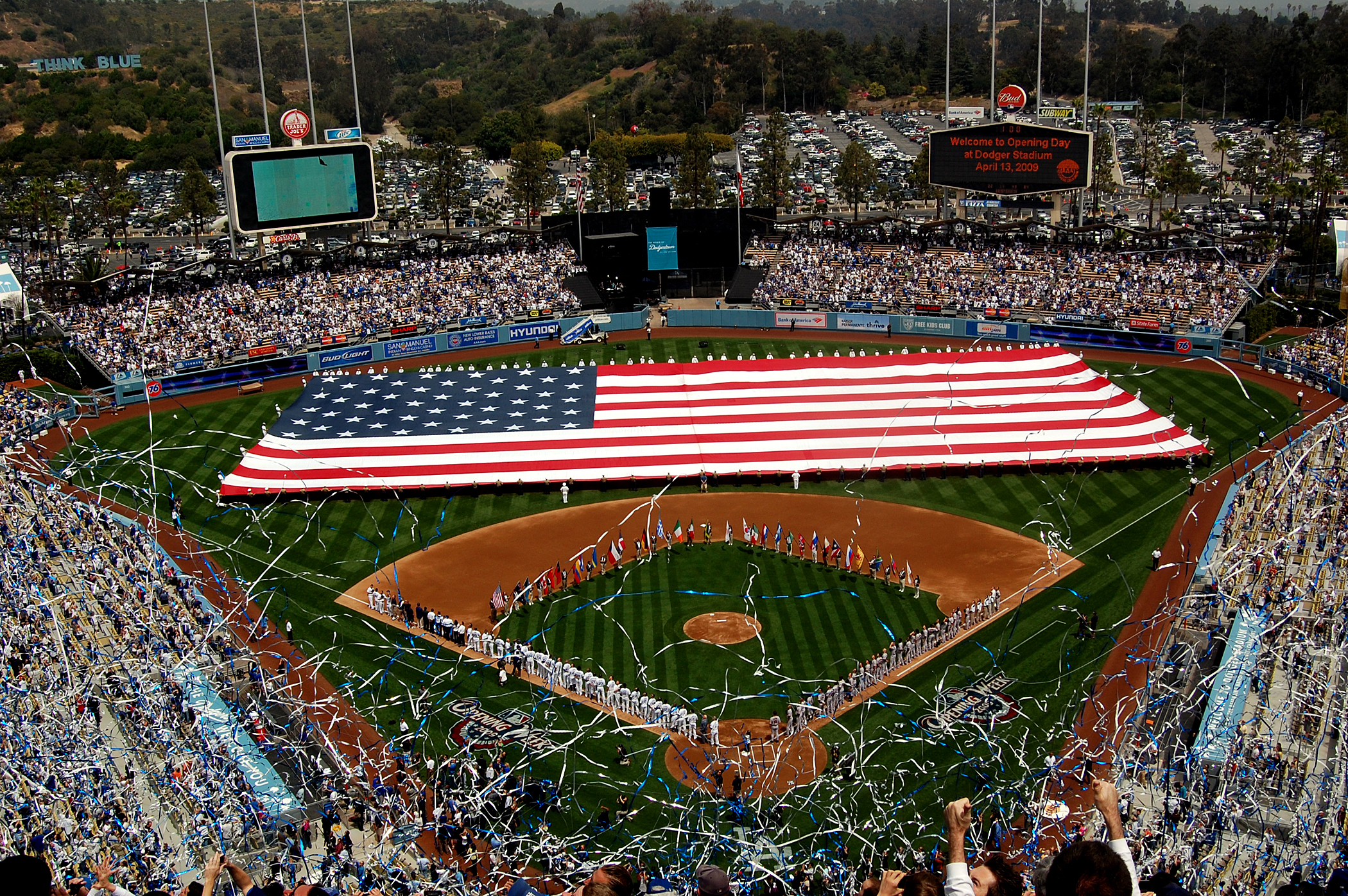
Dolby Atmos operates by using a network of overhead speakers and precise sound placement software. Unlike conventional 5.1 or 7.1 surround systems that rely on fixed speaker positions, Dolby Atmos allows individual audio objects—such as crowd cheers or commentator voices—to be placed anywhere in the listening environment. This means that broadcasters can create highly detailed soundscapes that evolve in real-time with the action. For instance, if a player scores a goal, the associated crowd noise could be directed directly to the center overhead speaker array, while other sounds like commentator analysis or music are carefully positioned around it. The result is a multidimensional auditory experience that feels far more natural and engaging. ## Real-World Implementation: Case Studies from Major League Baseball To demonstrate the transformative power of Dolby Atmos in sports broadcasting, major league baseball has been at the forefront of adopting this technology. In 2025, several teams began to experiment with Dolby Atmos for select broadcasts, with overwhelmingly positive feedback from fans and critics alike. "The difference is night and day," remarks Mike Johnson, Director of Broadcast Operations for the Los Angeles Dodgers. "Not only do we hear every detail of the game, but the audio feels like it's part of the action. It's a whole new level of immersion." The Dodgers reported a 23% increase in viewership during Dolby Atmos-enabled broadcasts and significant improvements in audience satisfaction scores. ## Future Outlook: Expanding Beyond Sports The success of Dolby Atmos in sports broadcasting has sparked interest across other industries, including concerts, movies, and even virtual reality. With its ability to create highly personalized auditory experiences, Dolby Atmos is poised to redefine how we consume media. "As technology continues to evolve, audio quality will be a key differentiator for content providers," predicts Jason Chen, CEO of Dolby Labs. "Dolby Atmos represents just the beginning of what's possible in immersive soundscapes." As more broadcasters and streaming platforms adopt this technology, fans can expect an even richer and more engaging experience from their favorite sports events. ## Conclusion: A New Era for Sports Broadcasting With Dolby Atmos leading the charge, the future of sports broadcasting looks brighter than ever. By providing a level of audio immersion that was previously unimaginable, this innovative technology is set to transform how fans connect with their favorite teams and athletes from the comfort of their homes.

Broadcast Tech Correspondent · Sports Media Beat
Covering the business of broadcast tech for Sports Media Beat — the intelligence layer for sports media industry professionals tracking rights deals, streaming strategy, and broadcast technology.
All articles by Brendan Okwu →Discussion
Join the conversation
Comments are moderated. Please keep discussion respectful and on-topic. Flag inappropriate content using the flag icon.
You May Also Like
MLB Network Enhances Affiliated Baseball's Exposure
Exploring the impact of MLB Network's partnership with AAPB All-Star Game and its potential to elevate broadcast production standards for affiliated baseball.

Mediaproxy's LogServer Comes to US Market with HVS Integration
The partnership between Mediaproxy and Heartland Video Systems (HVS) brings advanced logging and monitoring solutions to the U.S. broadcast market, setting a ne

Backblaze's Cutting-Edge Storage Solution Powers CoreWeave's AI Cloud Infrastructure
The partnership between Backblaze and CoreWeave marks a significant step in the world of sports broadcast production as it enhances the storage capacity for AI

