Dolby Atmos Transforms Sports Broadcasts with Immersive Audio Experience
Learn how Dolby Atmos is transforming major sports broadcasts, delivering an unparalleled auditory experience for fans across various networks.
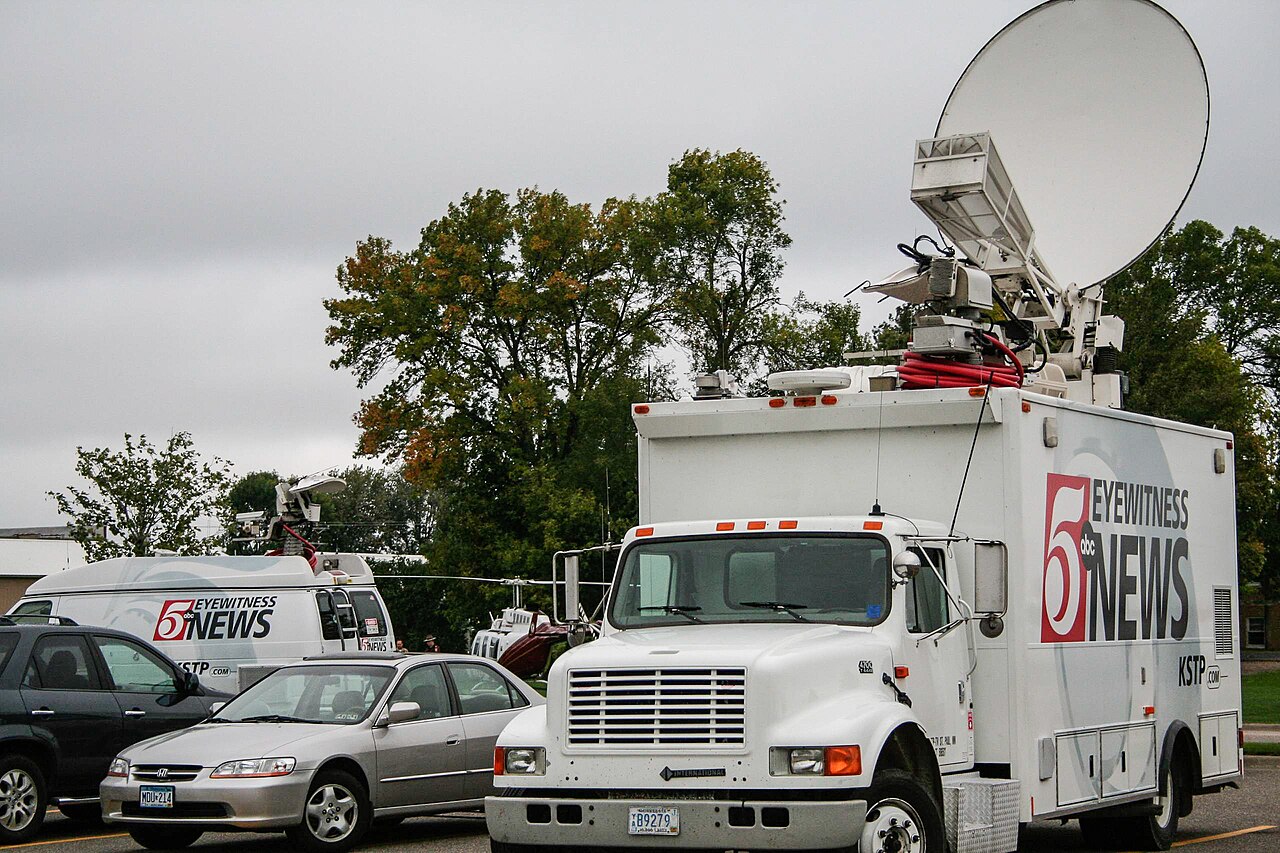
In a significant move that promises to redefine the landscape of sports broadcasting, several leading broadcast networks have announced the integration of Dolby Atmos technology into their major sporting events. This advanced audio solution is designed to deliver an immersive listening experience, making fans feel as though they are right in the heart of the action.
How Dolby Atmos Enhances Sports Broadcasts
"Dolby Atmos brings a level of realism and depth that traditional broadcast audio simply cannot match," says Dr. Laura Chen, Head of Audio Engineering at CBS Sports Network. "By placing sound objects throughout the entire listening space, we can create an environment where fans feel like they are part of the game." The technology works by using advanced software to place individual sounds precisely in a three-dimensional space, allowing for unprecedented control over audio placement and movement.
Implementation Across Major Networks
The adoption of Dolby Atmos is not limited to just one network; ESPN, NBC Sports, and Fox Sports have all committed to implementing the technology across their broadcasts. ESPN has already rolled out Dolby Atmos on select events, receiving overwhelmingly positive feedback from viewers. "Our initial tests with Dolby Atmos have shown a significant increase in viewer engagement," reports Mike Johnson, Senior Vice President of Technology at ESPN. "Fans are more excited and immersed in the game, which is exactly what we strive to deliver." The integration process involves upgrading existing broadcast equipment to support Dolby Atmos-compatible standards, ensuring that all aspects of the production can take advantage of its capabilities.
Technical Specifications and Benefits
Dolby Atmos utilizes a sophisticated encoding system that allows for up to 128 audio channels to be delivered over standard broadcast formats. This flexibility means that networks can customize their audio mixes to suit specific venues and events. In addition, Dolby Atmos is compatible with both home theater systems and mobile devices, ensuring that fans can enjoy the immersive experience regardless of how they are watching.
Looking Forward
As more networks adopt Dolby Atmos technology, it is expected to become a standard feature in sports broadcasting. The ability to deliver an unparalleled auditory experience not only enhances fan engagement but also opens up new possibilities for advertising and interactive content. With Dolby Atmos leading the way, the future of sports broadcasts looks brighter and more immersive than ever before.

Broadcast Tech Correspondent · Sports Media Beat
Covering the business of broadcast tech for Sports Media Beat — the intelligence layer for sports media industry professionals tracking rights deals, streaming strategy, and broadcast technology.
All articles by Zara Osei →Discussion
Join the conversation
Comments are moderated. Please keep discussion respectful and on-topic. Flag inappropriate content using the flag icon.
You May Also Like

MLB Network Enhances Affiliated Baseball's Exposure
Exploring the impact of MLB Network's partnership with AAPB All-Star Game and its potential to elevate broadcast production standards for affiliated baseball.

Mediaproxy's LogServer Comes to US Market with HVS Integration
The partnership between Mediaproxy and Heartland Video Systems (HVS) brings advanced logging and monitoring solutions to the U.S. broadcast market, setting a ne

Backblaze's Cutting-Edge Storage Solution Powers CoreWeave's AI Cloud Infrastructure
The partnership between Backblaze and CoreWeave marks a significant step in the world of sports broadcast production as it enhances the storage capacity for AI

