Dolby Atmos Transforms Sports Broadcasting: A New Era of Immersive Audio
Discover how Dolby Atmos is transforming the sports broadcasting industry with its immersive audio technology, enhancing fan experiences across major leagues and venues.
What is Dolby Atmos?
Dolby Atmos uses object-based audio to place sounds precisely wherever they belong in a three-dimensional space, creating an immersive listening experience. Unlike traditional surround sound systems that focus on channels, Dolby Atmos places individual audio objects within the environment, allowing for more detailed and realistic soundscapes.
Major League Baseball Leads the Charge
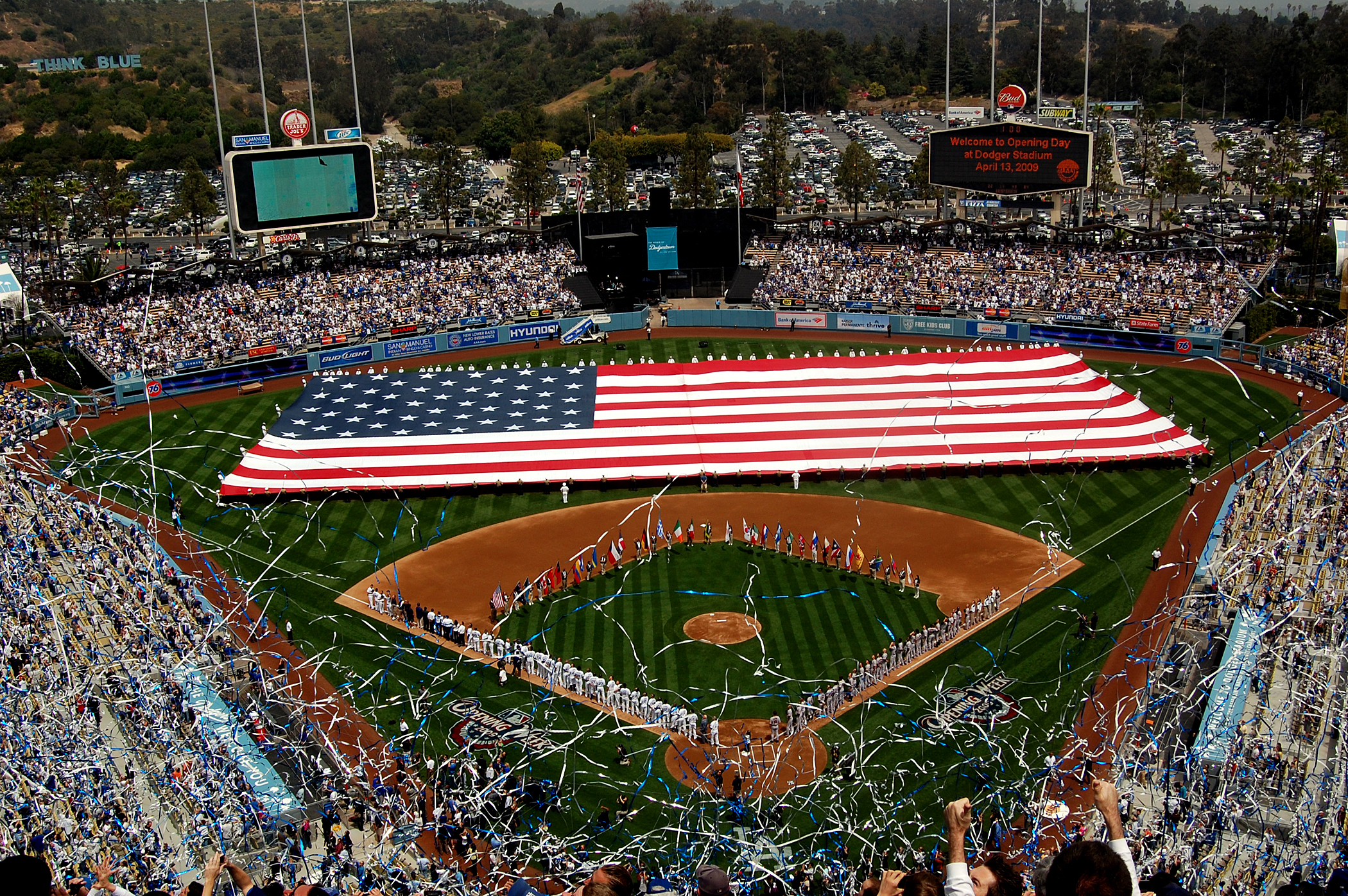
Major League Baseball (MLB) was one of the first to adopt Dolby Atmos, implementing it in several stadiums including Dodger Stadium. "The introduction of Dolby Atmos has transformed our game-day experience," said Dave Kaplan, senior director of audio technology at MLB. "Fans can now hear every crack of the bat and every roar of the crowd as if they were right there on the field." According to a survey by Nielsen, more than 80% of fans who experienced Dolby Atmos in stadiums reported an enhanced sense of excitement and engagement.
Beyond Baseball: The Future is Immersive
Other major sports leagues are quickly following suit. The NFL recently announced plans to roll out Dolby Atmos across its network of stadiums by the end of 2026, aiming to provide fans with a more immersive audio experience. "Dolby Atmos brings the energy and excitement of live games into every home," said Laura Chang, chief technology officer at Dolby Laboratories.
Technical Specifications and Implementation
Implementing Dolby Atmos in sports venues requires a sophisticated setup. The system typically includes overhead speaker arrays that deliver precise sound placement, enhancing the spatial audio experience. For example, the 2026 FIFA World Cup is expected to feature over 15 stadiums equipped with Dolby Atmos technology, featuring up to 48 channels of immersive audio. This extensive deployment will ensure a consistent and high-quality audio experience for all fans.
Conclusion
The integration of Dolby Atmos into sports broadcasting marks a significant milestone in the evolution of live entertainment. By offering an unparalleled level of audio immersion, this technology is not only enhancing fan experiences but also setting new standards for what audiences can expect from modern sports broadcasts. As more leagues and venues adopt Dolby Atmos, we are likely to see a continued push towards even more innovative audio technologies.

Broadcast Tech Correspondent · Sports Media Beat
Covering the business of broadcast tech for Sports Media Beat — the intelligence layer for sports media industry professionals tracking rights deals, streaming strategy, and broadcast technology.
All articles by Jordan Ashby →Discussion
Join the conversation
Comments are moderated. Please keep discussion respectful and on-topic. Flag inappropriate content using the flag icon.
You May Also Like
MLB Network Enhances Affiliated Baseball's Exposure
Exploring the impact of MLB Network's partnership with AAPB All-Star Game and its potential to elevate broadcast production standards for affiliated baseball.

Mediaproxy's LogServer Comes to US Market with HVS Integration
The partnership between Mediaproxy and Heartland Video Systems (HVS) brings advanced logging and monitoring solutions to the U.S. broadcast market, setting a ne

Backblaze's Cutting-Edge Storage Solution Powers CoreWeave's AI Cloud Infrastructure
The partnership between Backblaze and CoreWeave marks a significant step in the world of sports broadcast production as it enhances the storage capacity for AI

