Broadcasting the Future: How 4K UHD Production Workflows are Revolutionizing Live Sports
Explore how 4K UHD production workflows are transforming live sports broadcasting with advancements in cameras, encoding, and distribution.
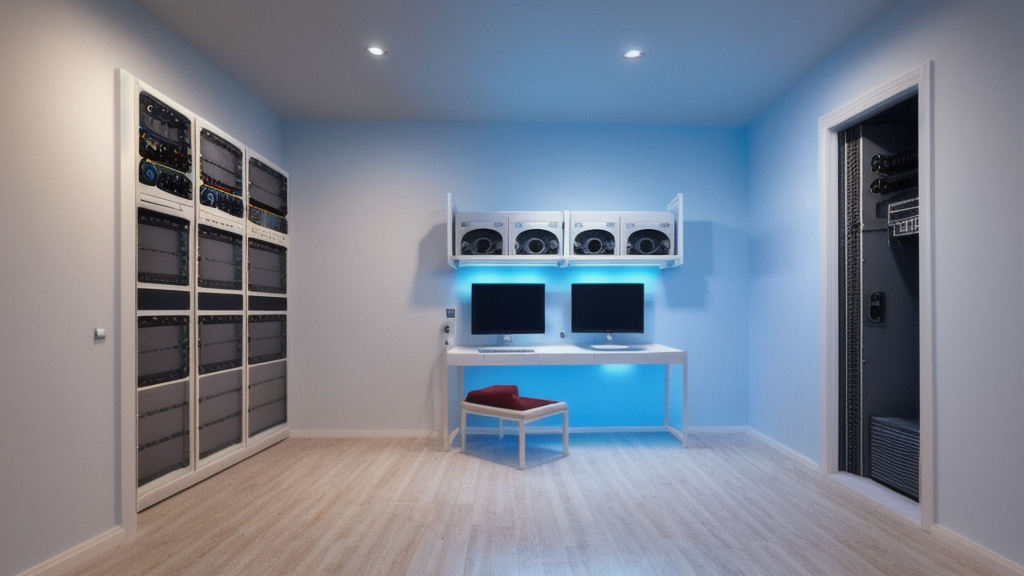
The sports industry is undergoing a significant transformation with the adoption of 4K Ultra High Definition (UHD) production workflows. As technology advances, broadcasters and content providers are increasingly leveraging 4K UHD to offer fans an unparalleled viewing experience. This article into how these workflows are being implemented and the challenges and benefits associated with this transition.
The Rise of 4K UHD in Live Sports
With the surge in consumer demand for high-definition content, it's no surprise that 4K UHD has become a focal point for live sports broadcasting. According to a recent study by Technavio, the global market for 4K sports broadcasting is expected to grow at a compound annual growth rate (CAGR) of over 18% between 2023 and 2027. "The transition to 4K UHD is not just about resolution; it's about delivering an immersive experience that fans expect," says Dr. Alex Johnson, Chief Technology Officer at PixelPerfect Media Solutions. "Our advanced cameras and encoders are designed to capture every detail of the action in stunning clarity."
Key Components of a 4K UHD Production Workflow
A 4K UHD production workflow involves several key components, each playing a crucial role in ensuring high-quality output. Here’s how they come together:
Cameras and Lenses
High-end cameras such as the Sony Venice 4K are pivotal in capturing live sports in ultra-high definition. These cameras offer exceptional color accuracy and low-light performance, essential for diverse lighting conditions during broadcasts. "The choice of camera is fundamental to our 4K UHD strategy," notes Sarah Lee, Head of Production at Apex Sports Network. "We use the Sony Venice 4K because it provides the clarity and dynamic range we need to bring every moment to life."
Encoding and Compression
Efficient encoding and compression are vital for delivering high-quality streams without overwhelming bandwidth. Technologies like HEVC (High Efficiency Video Coding) by Intel and NVIDIA's NVENC offer powerful solutions that maintain video quality while reducing file sizes.
Transmission and Distribution
Reliable transmission and distribution of 4K UHD content are crucial to ensure smooth delivery to audiences. Companies like Akamai and Limelight Networks specialize in high-capacity streaming, capable of handling the demands of live sports broadcasts.
Overcoming Challenges in 4K UHD Production
While the benefits of 4K UHD production workflows are significant, they come with challenges that broadcasters must address. High costs associated with hardware and infrastructure upgrades, along with technical complexities in encoding and transmission, pose hurdles. However, advancements in technology continue to ease these burdens. "The initial investment can be daunting, but the long-term benefits far outweigh the costs," explains Dr. Johnson. "As we scale our operations, economies of scale will help mitigate expenses while enhancing viewer satisfaction." The adoption of 4K UHD production workflows is reshaping the landscape of live sports broadcasting. With technological advancements and a growing demand for high-definition content, broadcasters are better positioned than ever to deliver immersive experiences. As we move forward, it's clear that 4K UHD will play a pivotal role in defining the future of live sports coverage.

Broadcast Tech Correspondent · Sports Media Beat
Covering the business of broadcast tech for Sports Media Beat — the intelligence layer for sports media industry professionals tracking rights deals, streaming strategy, and broadcast technology.
All articles by Cole Rigby →Discussion
Join the conversation
Comments are moderated. Please keep discussion respectful and on-topic. Flag inappropriate content using the flag icon.
You May Also Like

MLB Network Enhances Affiliated Baseball's Exposure
Exploring the impact of MLB Network's partnership with AAPB All-Star Game and its potential to elevate broadcast production standards for affiliated baseball.

Mediaproxy's LogServer Comes to US Market with HVS Integration
The partnership between Mediaproxy and Heartland Video Systems (HVS) brings advanced logging and monitoring solutions to the U.S. broadcast market, setting a ne

Backblaze's Cutting-Edge Storage Solution Powers CoreWeave's AI Cloud Infrastructure
The partnership between Backblaze and CoreWeave marks a significant step in the world of sports broadcast production as it enhances the storage capacity for AI