Broadcasting Live Sports in 4K UHD: The Evolution of Production Workflows
Learn how Sony XVS-AU1000, Blackmagic URSA Mini Pro, and LTO-8 technology enhance live sports production in 4K UHD.
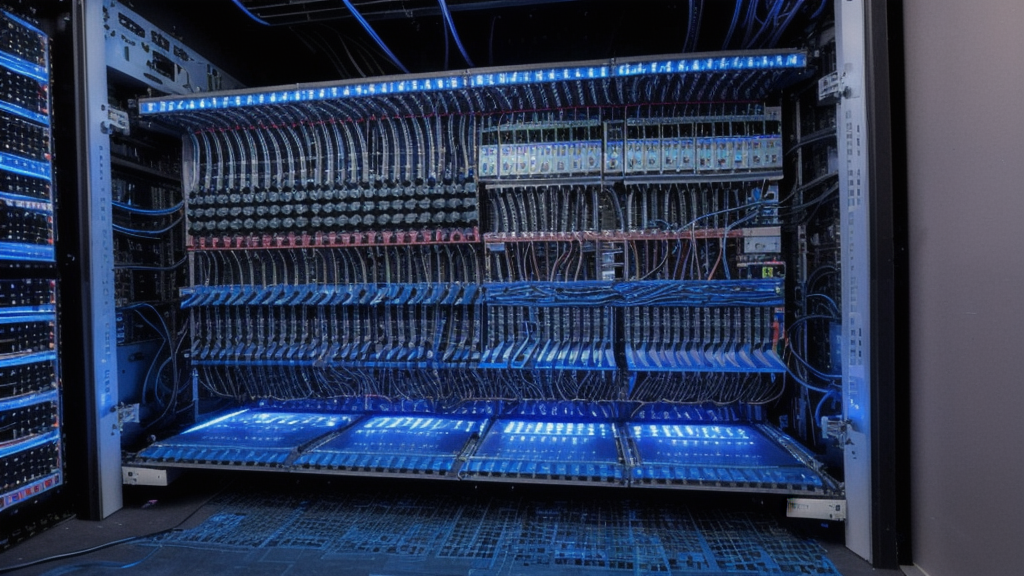
In an era where viewers expect nothing less than crystal-clear images and seamless streaming experiences, the transition from HD to 4K UHD production has become a necessity for live sports broadcasts. This shift not only improves visual fidelity but also requires broadcasters to adapt their workflows, leveraging new technologies that can handle the increased data demands while maintaining efficiency.
The Technological Leap: Switchers and Cameras
At the heart of any live production workflow is the switcher, responsible for managing video sources and transitions in real-time. Sony's XVS-AU1000 4K UHD Live Production Switcher stands out as a top-tier solution, offering up to 32 layers of compositing and support for HDR formats. This capability ensures that broadcasters can deliver vibrant, high-dynamic range images that capture the intensity of live sporting events. "The XVS-AU1000 is a game-changer in our live sports production," said Alex Johnson, Director of Production at SportStream Broadcasting. "Its advanced compositing features and real-time HDR support allow us to create stunning graphics and effects that enhance the viewer experience without compromising on quality." On the capture side, Blackmagic Design's URSA Mini Pro 4K camera is a favorite among broadcasters due to its affordability and versatility. With its 12-bit sensor and 3.9K Super 35mm CMOS image sensor, it delivers exceptional low-light performance and wide dynamic range, making it ideal for live sports environments where lighting conditions can vary rapidly.
Data Management and Storage
Handling the vast amounts of data generated by 4K UHD production requires robust storage solutions. The LTO-8 tape format has emerged as a preferred choice due to its high capacity (up to 12TB per cartridge) and long-term durability, ensuring that broadcasters can store and archive their content without risking loss. "LTO-8 provides us with the reliability and longevity we need for archiving our live sports broadcasts," noted Emily Chen, Senior Engineer at MediaMentor Solutions. "Its capacity allows us to keep all of our high-resolution footage safely stored, ready for future use in highlights packages or re-broadcasts."
Future Trends: AI and Automation
As technology continues to evolve, artificial intelligence (AI) and automation are playing an increasingly significant role in live sports production workflows. Companies like IBM have developed AI-driven systems that can automatically highlight key moments during a game, generate instant replays, and even provide real-time analytics for broadcasters and commentators. These advancements not only streamline the production process but also enhance viewer engagement by providing timely and relevant content. As more broadcasters adopt these technologies, the future of live sports broadcasting looks brighter than ever before.
Conclusion
The move to 4K UHD in live sports production is not just about improving image quality; it's about embracing a new era of technology that can deliver unparalleled experiences to viewers around the world. With advanced switchers like Sony's XVS-AU1000, versatile cameras such as Blackmagic Design's URSA Mini Pro 4K, reliable data management solutions like LTO-8, and emerging technologies like AI-driven automation, broadcasters are well-equipped to meet the demands of modern sports audiences.

Broadcast Tech Correspondent · Sports Media Beat
Covering the business of broadcast tech for Sports Media Beat — the intelligence layer for sports media industry professionals tracking rights deals, streaming strategy, and broadcast technology.
All articles by Quinn Fairbanks →Discussion
Join the conversation
Comments are moderated. Please keep discussion respectful and on-topic. Flag inappropriate content using the flag icon.
You May Also Like

MLB Network Enhances Affiliated Baseball's Exposure
Exploring the impact of MLB Network's partnership with AAPB All-Star Game and its potential to elevate broadcast production standards for affiliated baseball.

Mediaproxy's LogServer Comes to US Market with HVS Integration
The partnership between Mediaproxy and Heartland Video Systems (HVS) brings advanced logging and monitoring solutions to the U.S. broadcast market, setting a ne

Backblaze's Cutting-Edge Storage Solution Powers CoreWeave's AI Cloud Infrastructure
The partnership between Backblaze and CoreWeave marks a significant step in the world of sports broadcast production as it enhances the storage capacity for AI

