Transforming the Gridiron: How Virtual Conferences are Revolutionizing Sports Media Coverage
Discover how advanced virtual conference platforms are revolutionizing content creation and audience engagement in the sports media industry.

In an era where technology continues to blur the lines between physical and digital spaces, virtual conferences have emerged as a cornerstone for the sports media industry. These platforms offer unprecedented opportunities for content creation, audience engagement, and collaboration among journalists, analysts, and broadcasters. As live events face increasing logistical challenges, the ability to seamlessly transition to virtual formats is proving invaluable.
Leveraging Advanced Technology: The Backbone of Virtual Conferences
At the heart of these transformations are sophisticated software solutions designed specifically for sports media. One such platform, HuddleRoom by Avid Technologies, offers industry-leading features that streamline live event coverage. According to Mike Johnson, Senior Product Manager at Avid, “HuddleRoom provides a seamless workflow that integrates directly with our newsroom systems, enabling broadcasters to deliver high-quality content without the need for cumbersome physical setups.” Another notable player in this space is Cisco’s Webex, which has recently introduced features tailored for sports media professionals. With its robust video capabilities and real-time collaboration tools, Webex is well-positioned to meet the demands of live event coverage. As Johnson explains, “The integration of AI-driven analytics within Webex allows broadcasters to gain deeper insights into audience behavior, helping them tailor content more effectively.”
Real-World Impact: Case Studies from Leading Broadcasters
The adoption of virtual conference technology is not just theoretical; it’s already making a significant impact. The NFL Network recently held its first fully virtual pre-season press conference using HuddleRoom and Webex. This event, which featured interviews with players and coaches, showcased the platform’s ability to deliver high-quality audio and video streams directly to journalists’ devices. “The flexibility provided by these tools has opened up new possibilities for how we cover live events,” says Sarah Thompson, a sports journalist at NFL Network. Similarly, ESPN has integrated virtual conference technology into its coverage strategy, particularly during the pandemic when travel restrictions were in place. The network used Webex to host remote press conferences, enabling analysts and commentators to engage with athletes and coaches from around the world without leaving their homes. “The ability to replicate the energy of a physical event through these platforms has been crucial for maintaining viewer engagement,” adds Thompson.
Future Trends: Enhancing Audience Engagement
As virtual conference technology continues to evolve, it’s clear that its impact on sports media will only grow. With advancements in AI and machine learning, future iterations are expected to offer even more sophisticated tools for content creation and audience interaction. Companies like Avid and Cisco are already investing heavily in research and development to stay ahead of the curve. “Looking ahead, we see a future where virtual conferences become an integral part of every broadcaster’s toolkit,” predicts Johnson. “The ability to deliver high-quality content from anywhere is not just a convenience; it’s a necessity in today’s fast-paced media landscape.”
Conclusion
In conclusion, virtual conference formats are more than just a temporary solution—they represent a paradigm shift in how the sports media industry operates. By leveraging advanced technology and innovative platforms like HuddleRoom and Webex, broadcasters can enhance their content creation processes, engage audiences more effectively, and adapt to an ever-changing landscape. As we move forward into 2026 and beyond, it’s clear that virtual conferences will continue to play a pivotal role in shaping the future of sports media.

Industry Events Correspondent · Sports Media Beat
Covering the business of industry events for Sports Media Beat — the intelligence layer for sports media industry professionals tracking rights deals, streaming strategy, and broadcast technology.
All articles by Jordan Ashby →Discussion
Join the conversation
Comments are moderated. Please keep discussion respectful and on-topic. Flag inappropriate content using the flag icon.
You May Also Like

SportsPro Live: Industry Leaders Unveil Innovations in Virtual Reality Sports Experiences
Discover how leading companies are using VR technology to transform fan engagement at SportsPro Live conference.
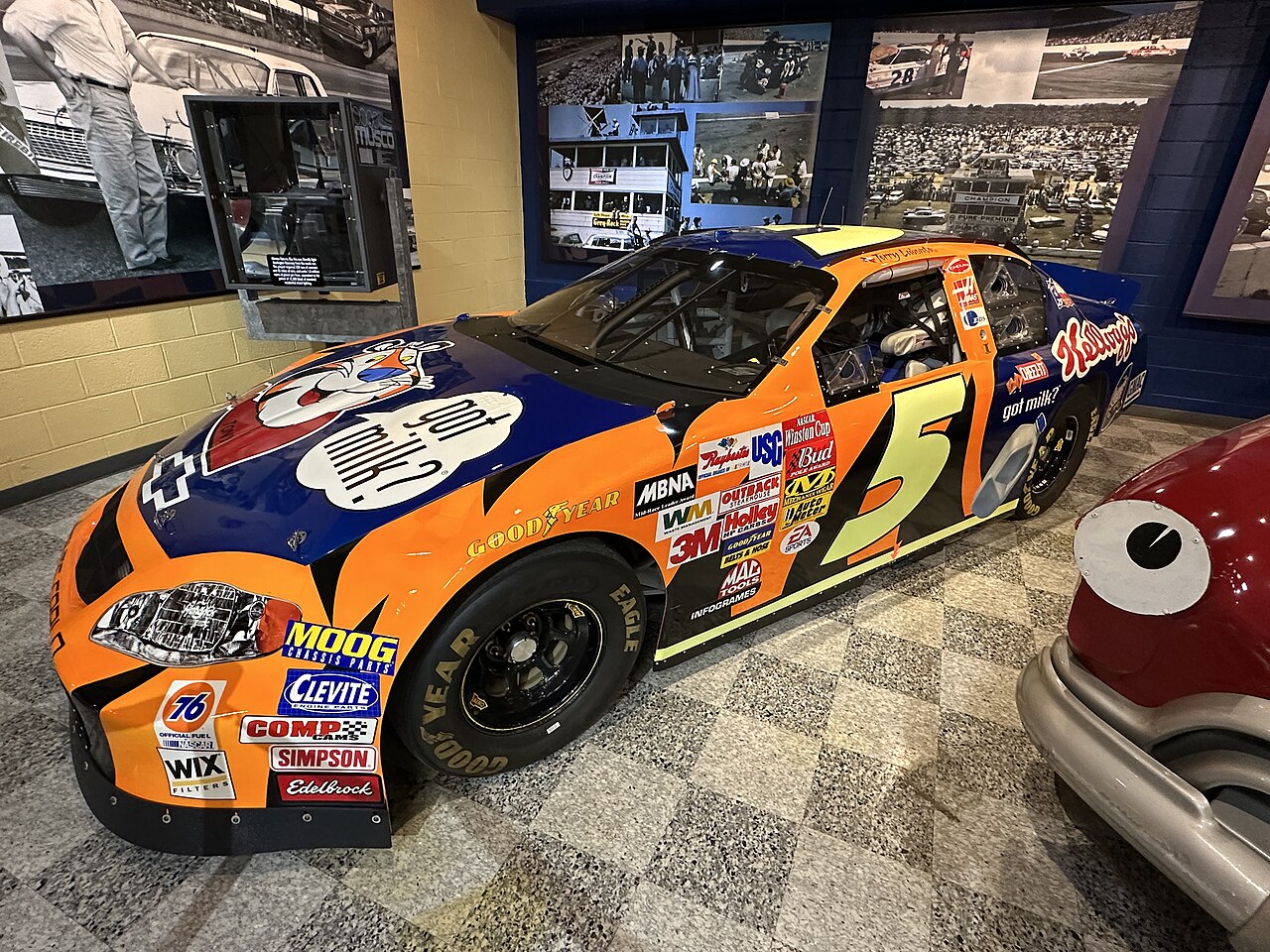
NASCAR and ESPN Forge Strategic Partnership at Sports Media Expo 2026
Discover how NASCAR's deal with ESPN leverages AI technology to enhance live streaming and viewer experience at Sports Media Expo 2026.
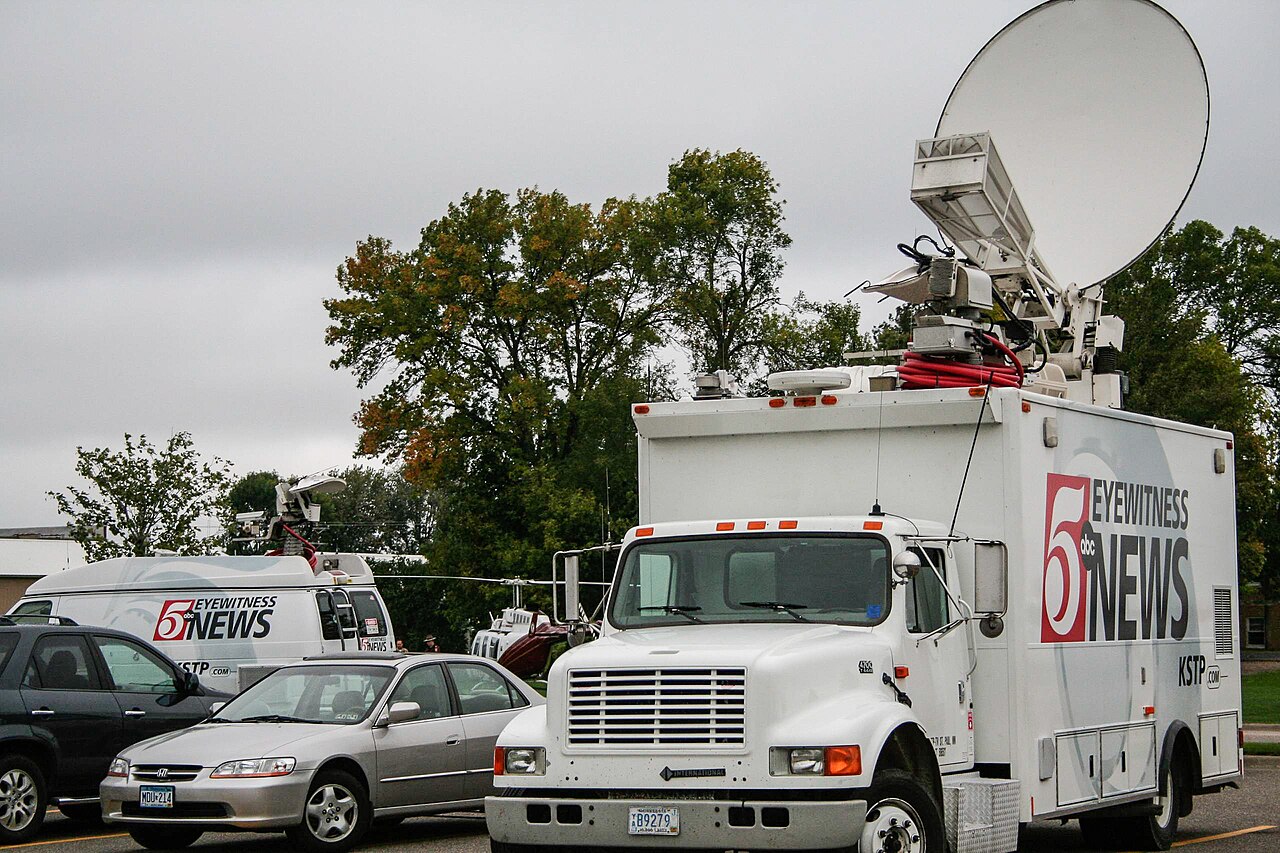
InnovateX 2026: Sports Technology Startups Unveil Cutting-Edge Solutions at Showcasing Event
Discover leading sports tech innovations at InnovateX 2026 including PlaySphere, ImmersiFit, and FitRecover. These advancements promise to revolutionize athlete performance tracking.

